ITALY - THE REST - 2026
Italy — From Ruins to Rolling Hills and Mountain Air
Hi everyone,
So after our mixed start in Rome, we headed off for the next part of Italy — and I have to say, this is where things really started to turn around.
Pompeii — Frozen in Time
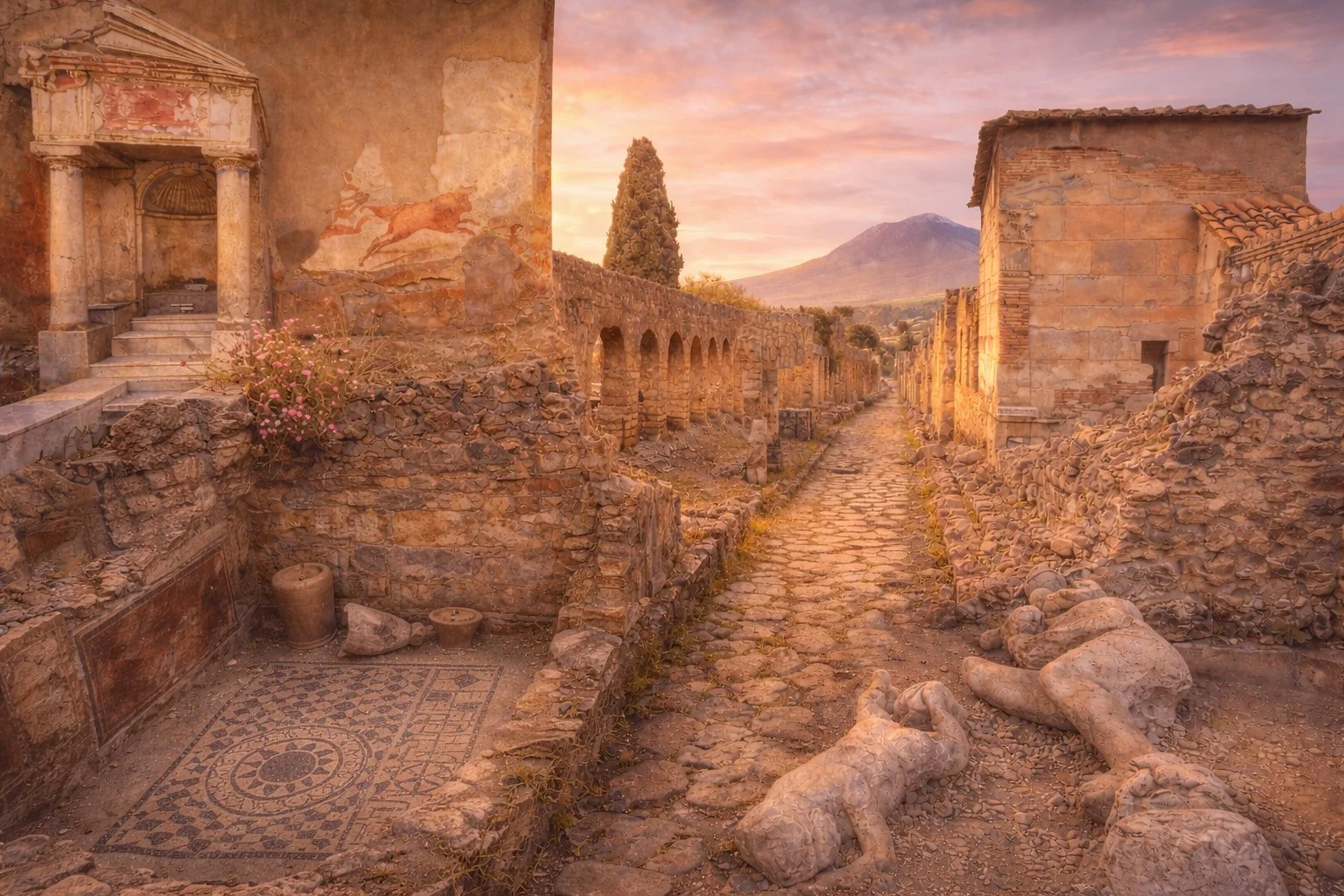
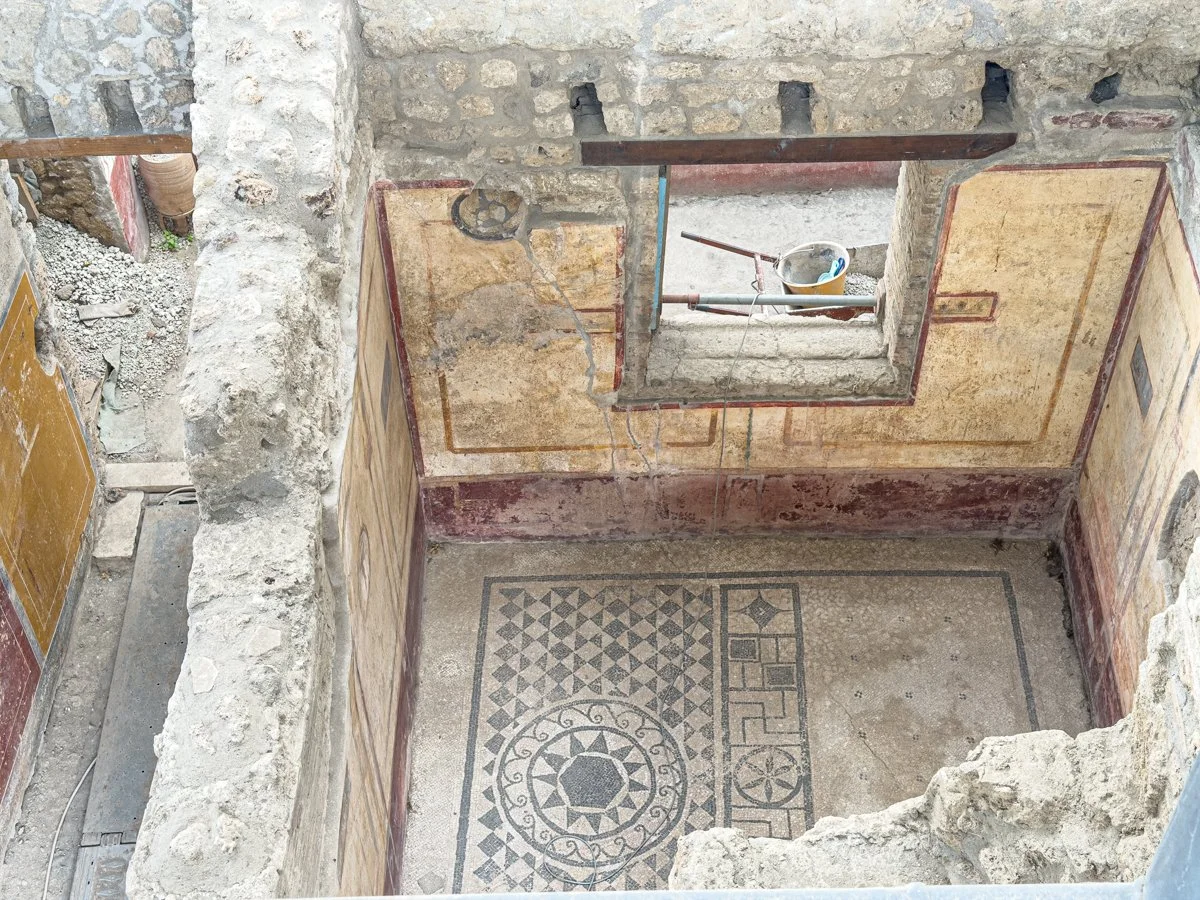
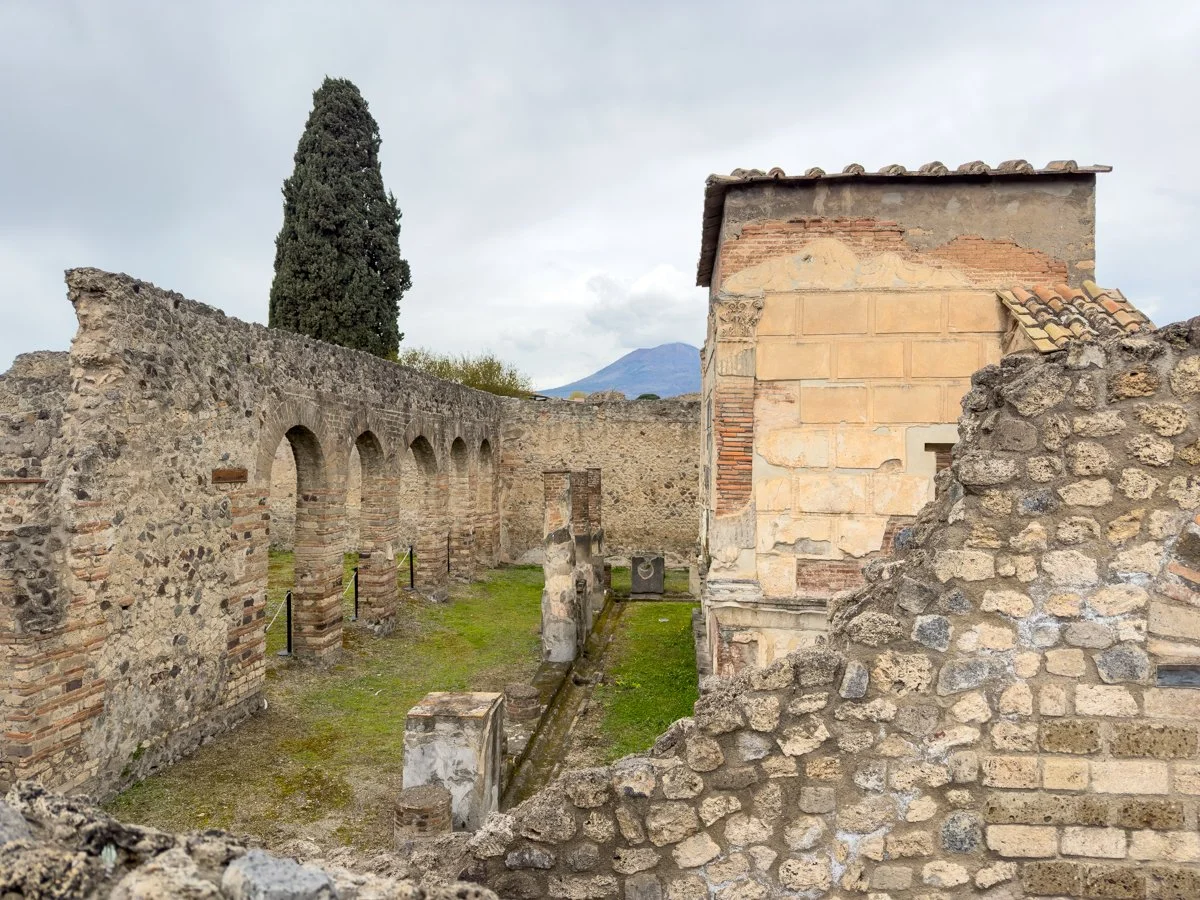
Our first stop was Pompeii, and we are so glad we made the effort to go. It’s one of those places that’s hard to explain until you see it.
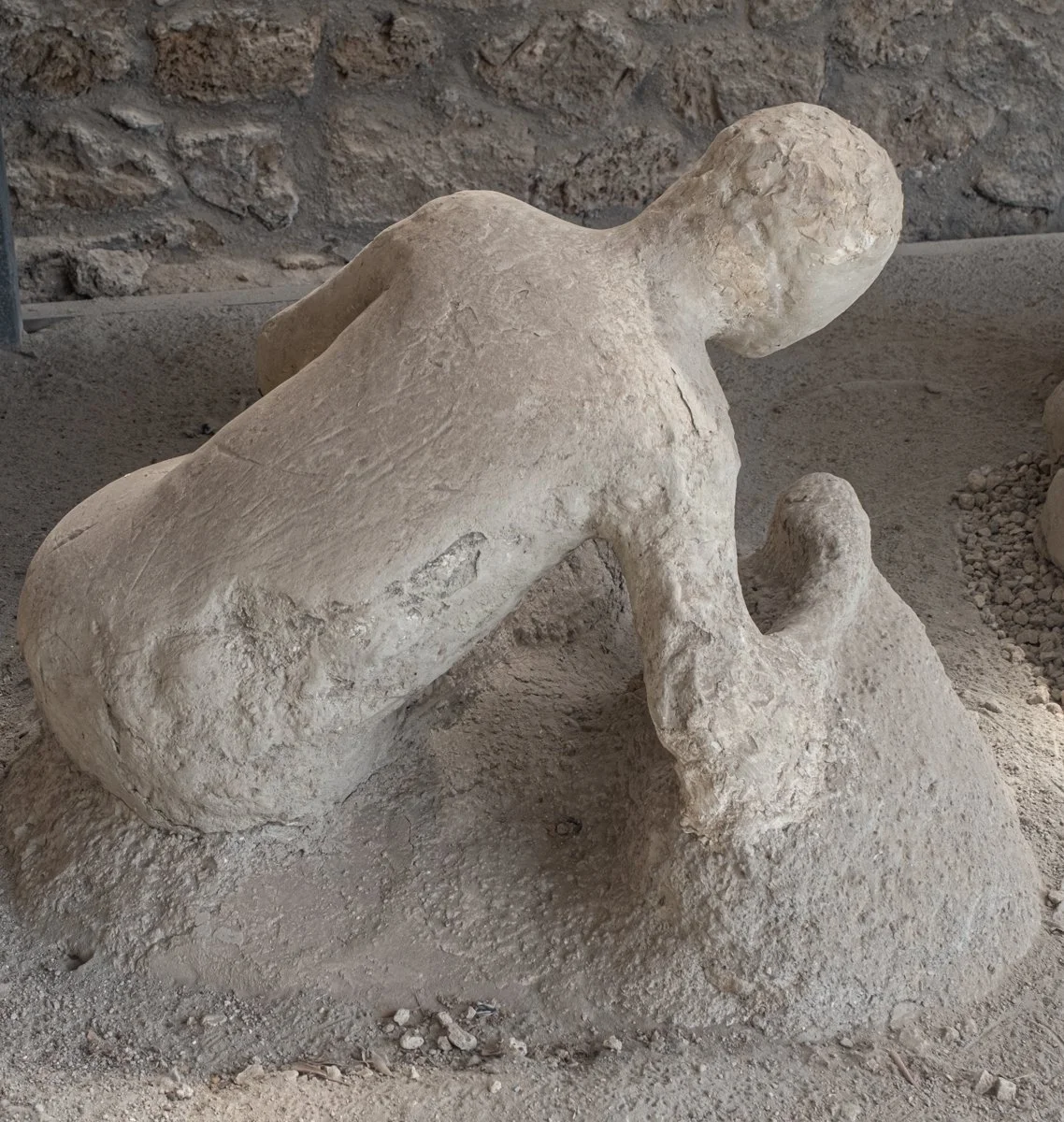
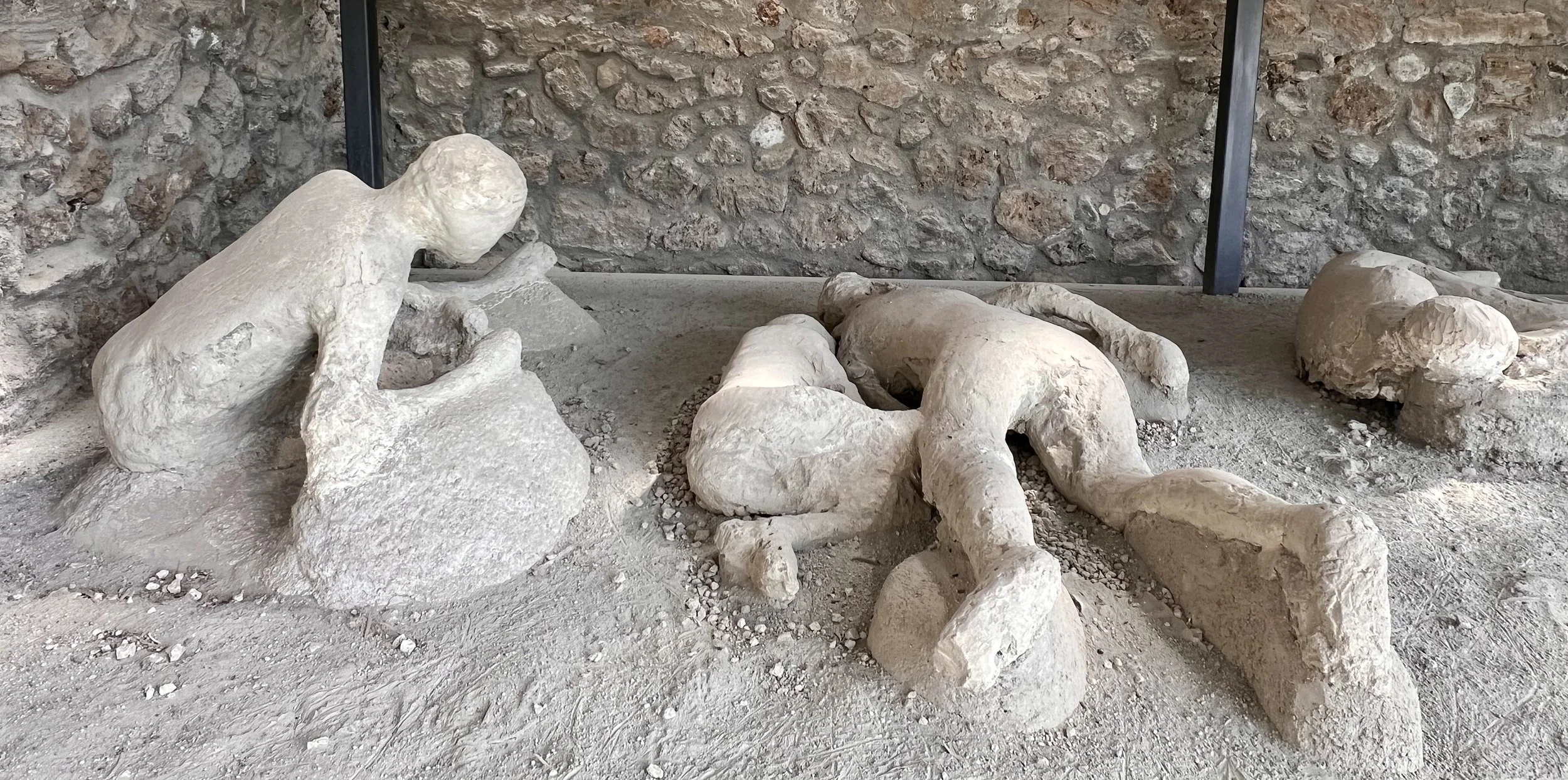
Walking through the ruins, you can’t help but think about what happened here — a whole city just… stopped in time. What really got me were the casts of people. They’re not statues in the usual sense — they are actual people, preserved in the exact moment everything changed.
It’s quite confronting, but also fascinating. The site itself is huge, and they’re still excavating parts of it, which just shows how much history is still buried there.
The Amalfi Coast… “It’ll Be Fun” I Said
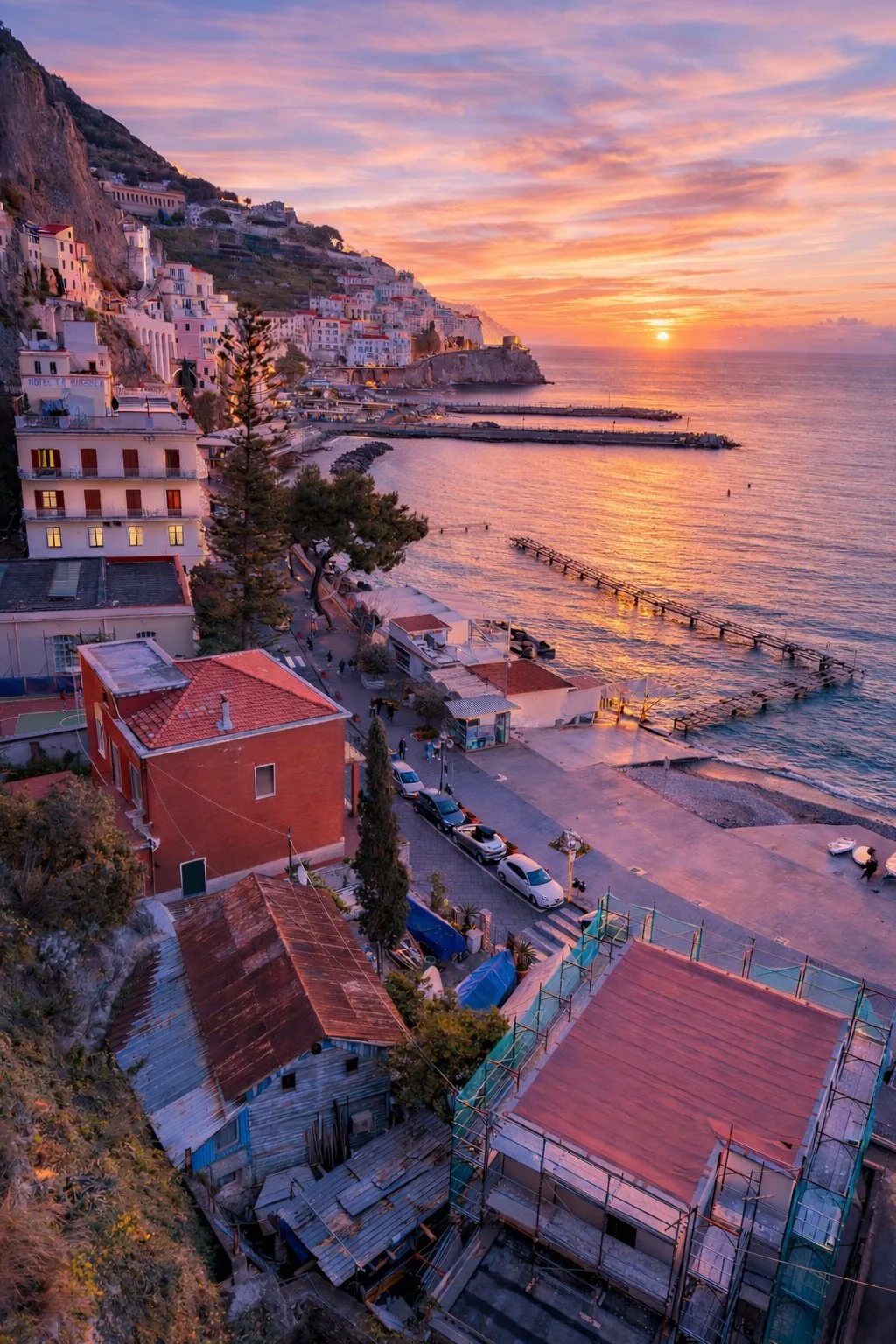
Now here’s where things got interesting, when we picked up the hire car, they were very happy to give us an upgrade. Bigger car. More space. Sounds great, right?
Well… that was before I said, “Let’s drive the Amalfi Coast — it’ll be fun. Everyone does it.”
Digby didn’t quite share my enthusiasm, and in hindsight… I understand why.
The roads are narrow, the corners are tight, and then you have buses coming the other way that seem to take up the entire road. Let’s just say there were a few tense moments.
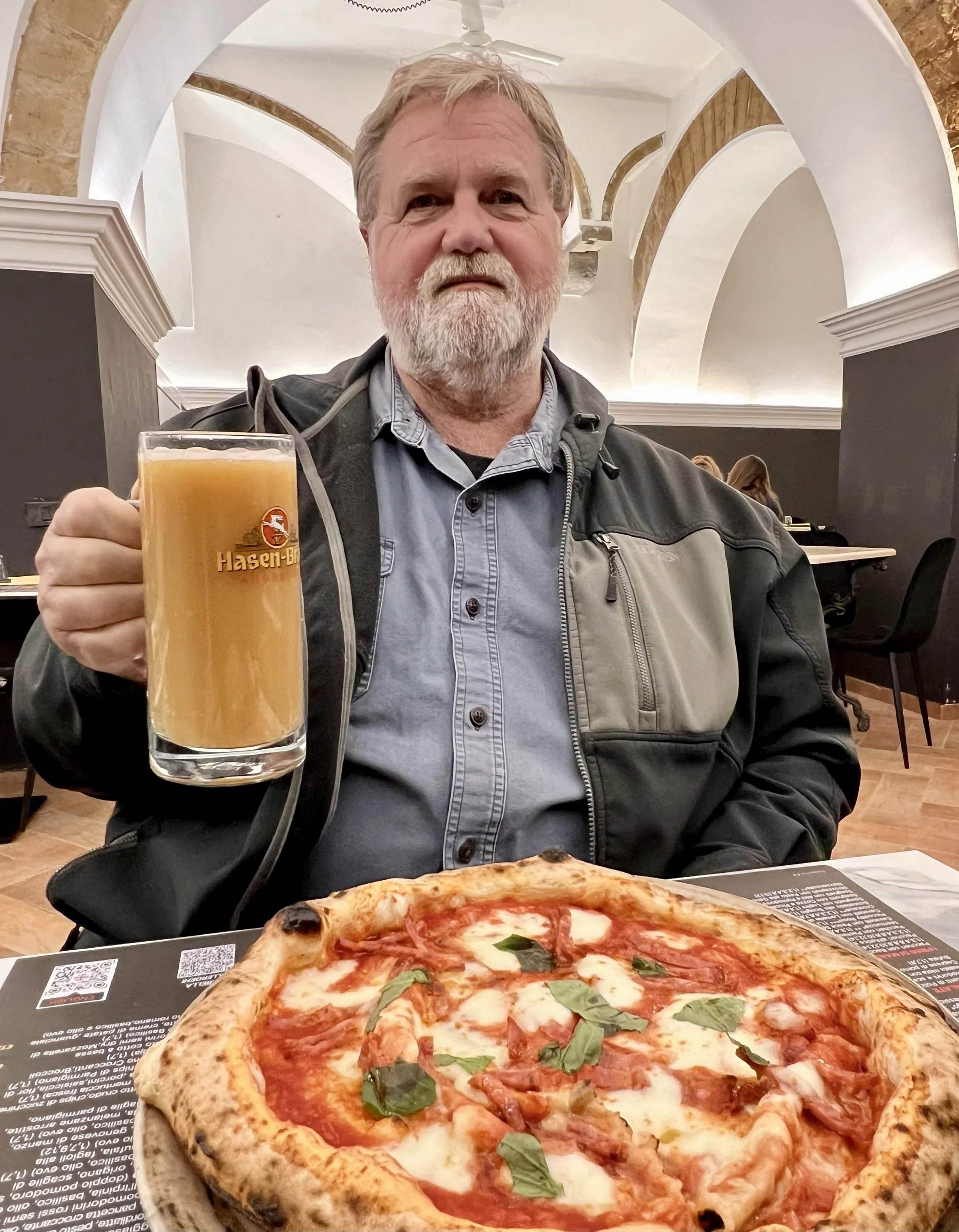
By the time we got back, Digby went straight for a beer and a proper Neapolitan pizza in Naples to settle the nerves.
Fair call.
A Surprise Stop — The Sacred Wood
From there we headed north towards Tuscany, but made a surprise stop at Parco dei Mostri in Bomarzo.
This place is something else, it’s a garden from the 16th century, filled with giant sculptures — monsters, mythical creatures, and strange faces carved into stone. It’s a bit quirky, a bit eerie, and completely unexpected.
Definitely not your typical Italian stop.
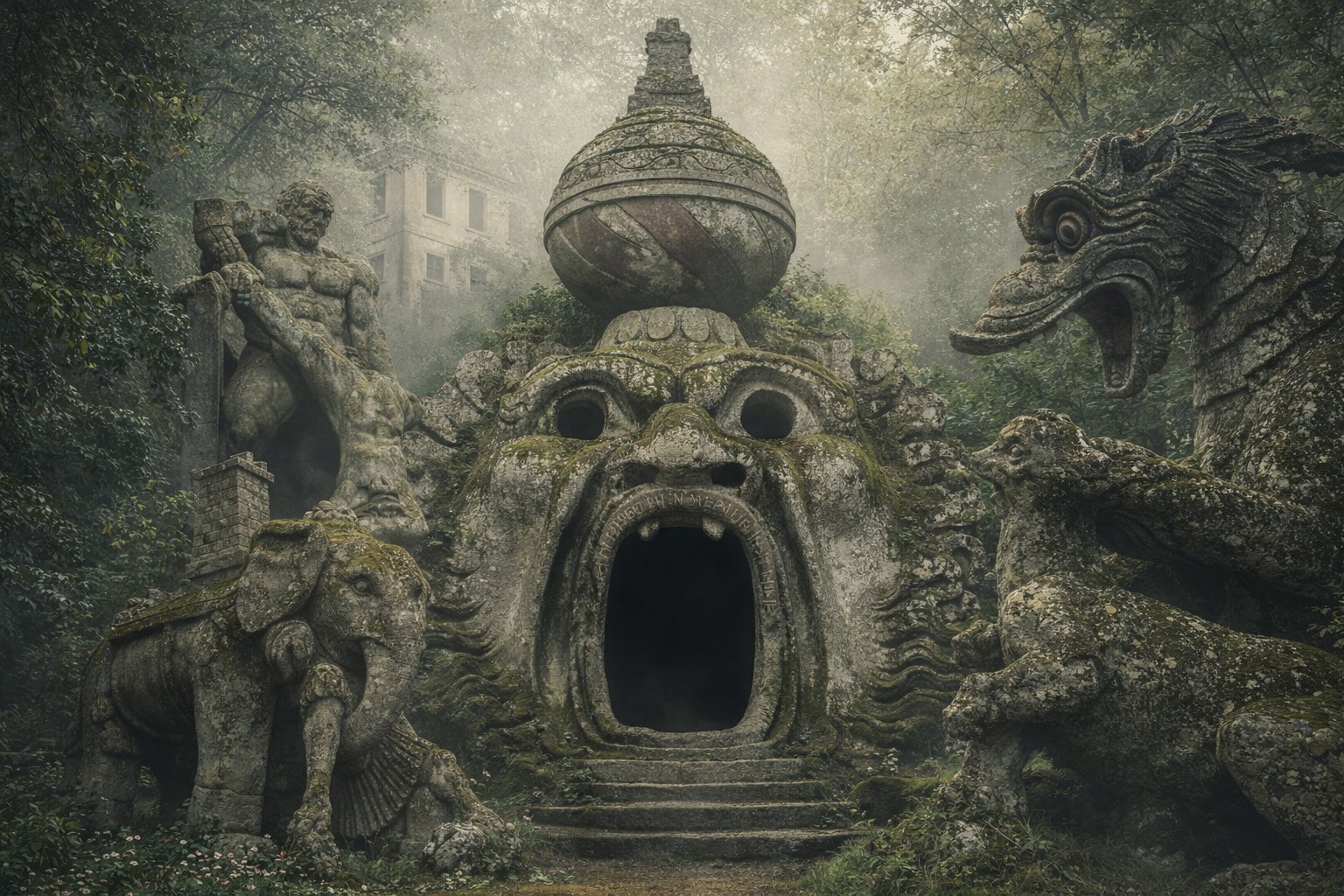
Parco dei Mostri in Bomarzo.
Tuscany — Just Like the Photos (Actually Better)
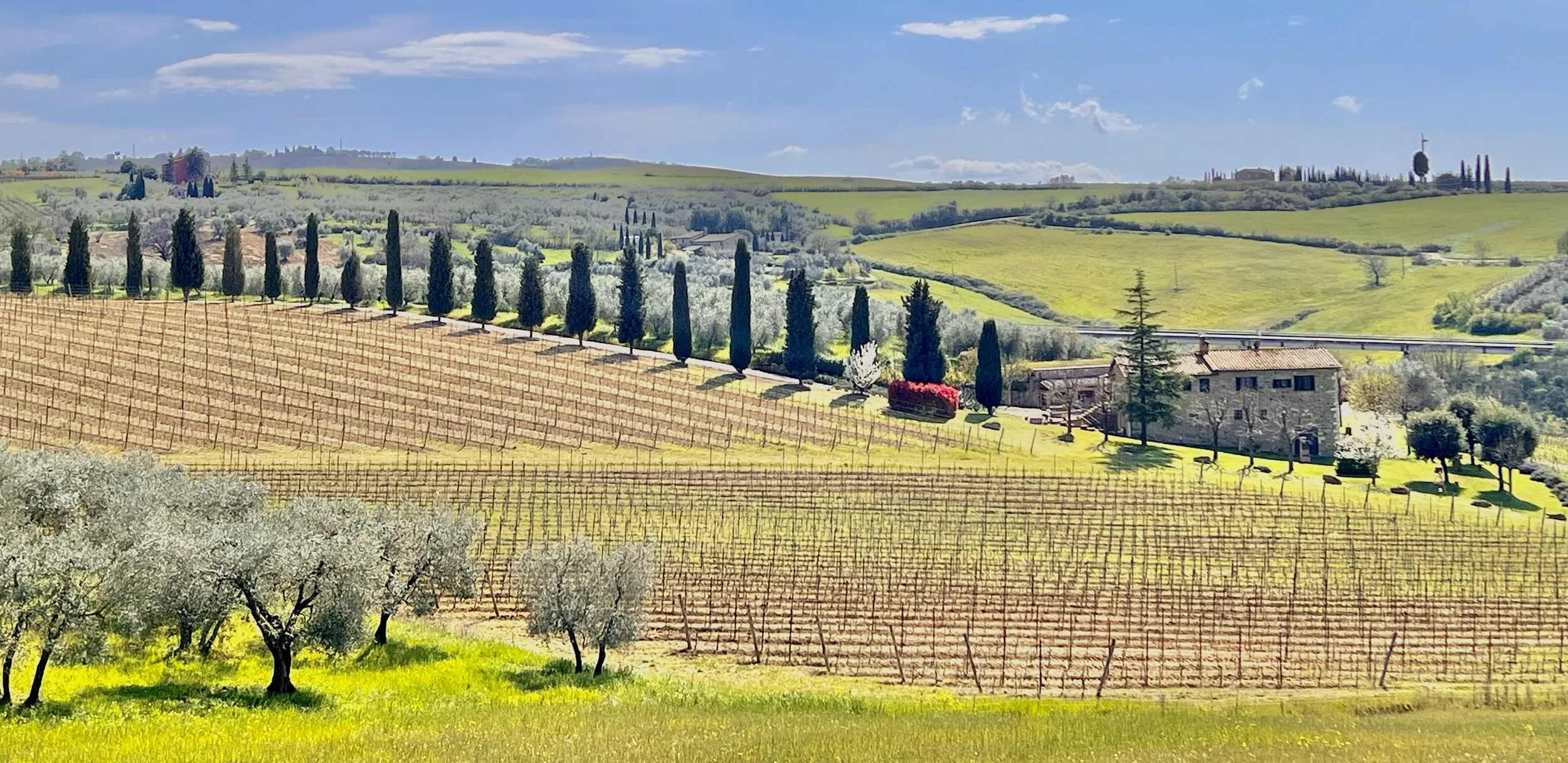
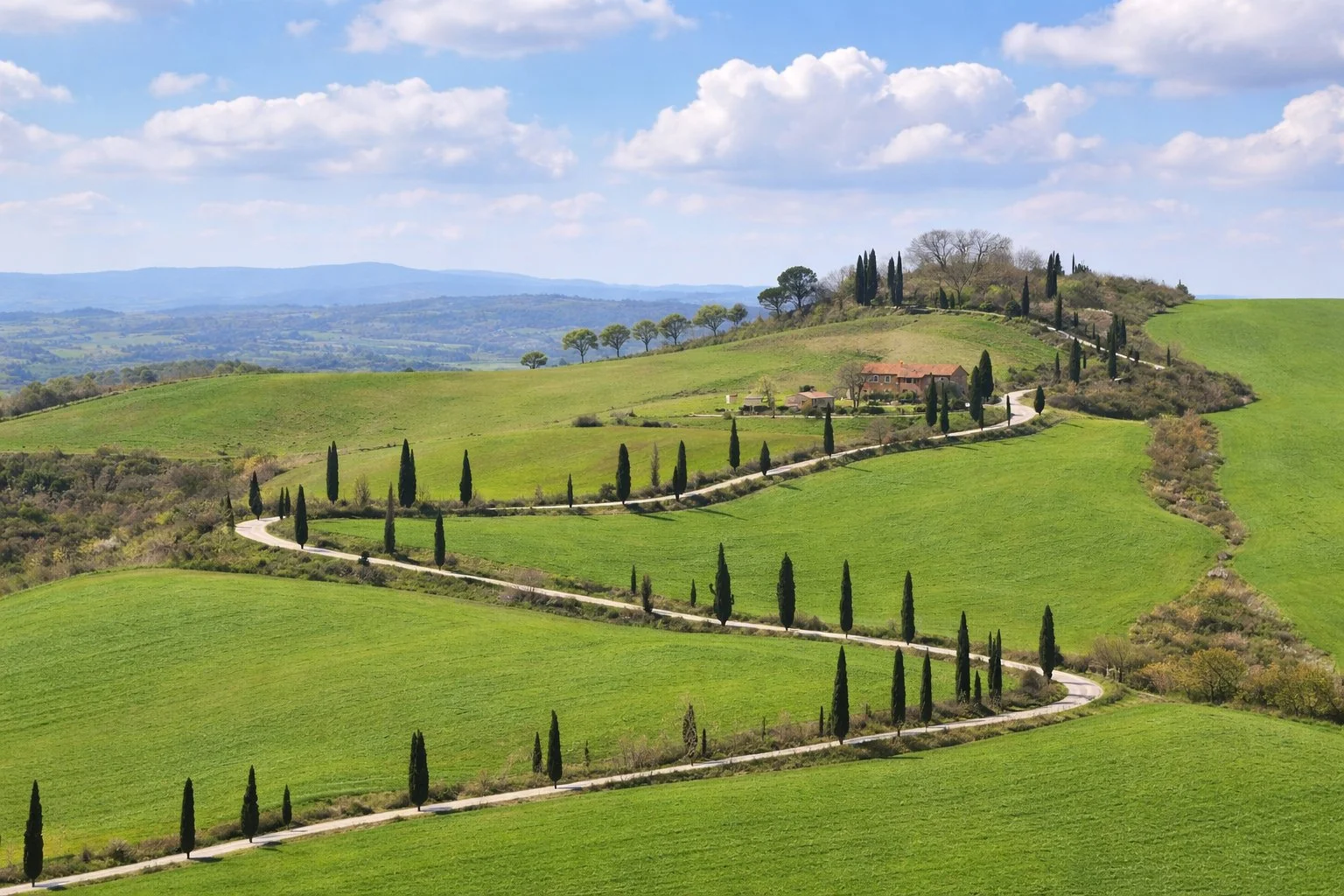
We then arrived in San Quirico d'Orcia, and this is where Italy really started to feel like what we had imagined. It’s everything you picture when you think of Tuscany.
Rolling green hills.
Cypress trees lining the roads.
Beautiful farmhouses sitting perfectly in the landscape.
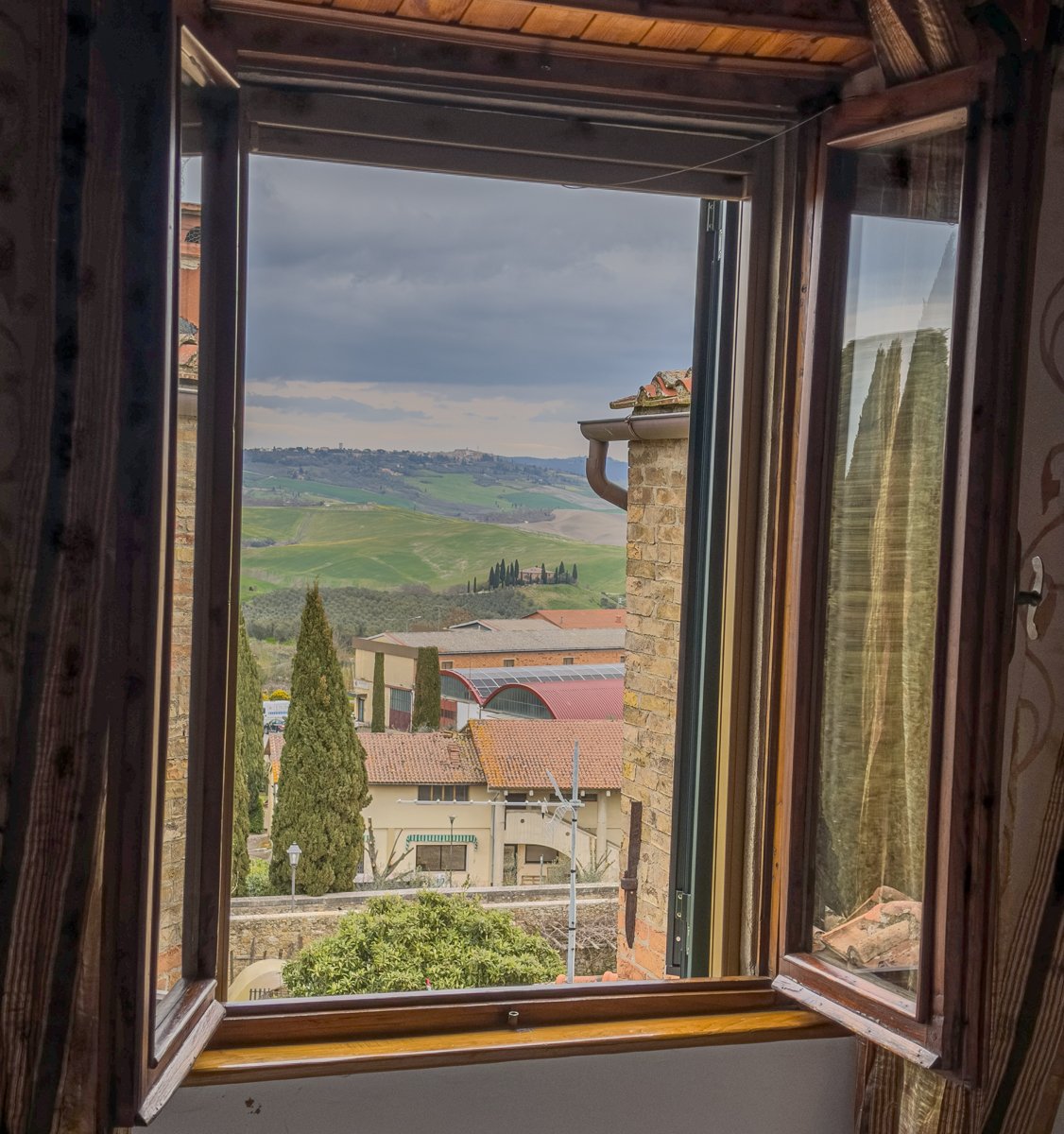
Our accommodation even overlooked that famous “Tuscany farmhouse” view that everyone tries to photograph.
And yes… it’s just as stunning in real life.
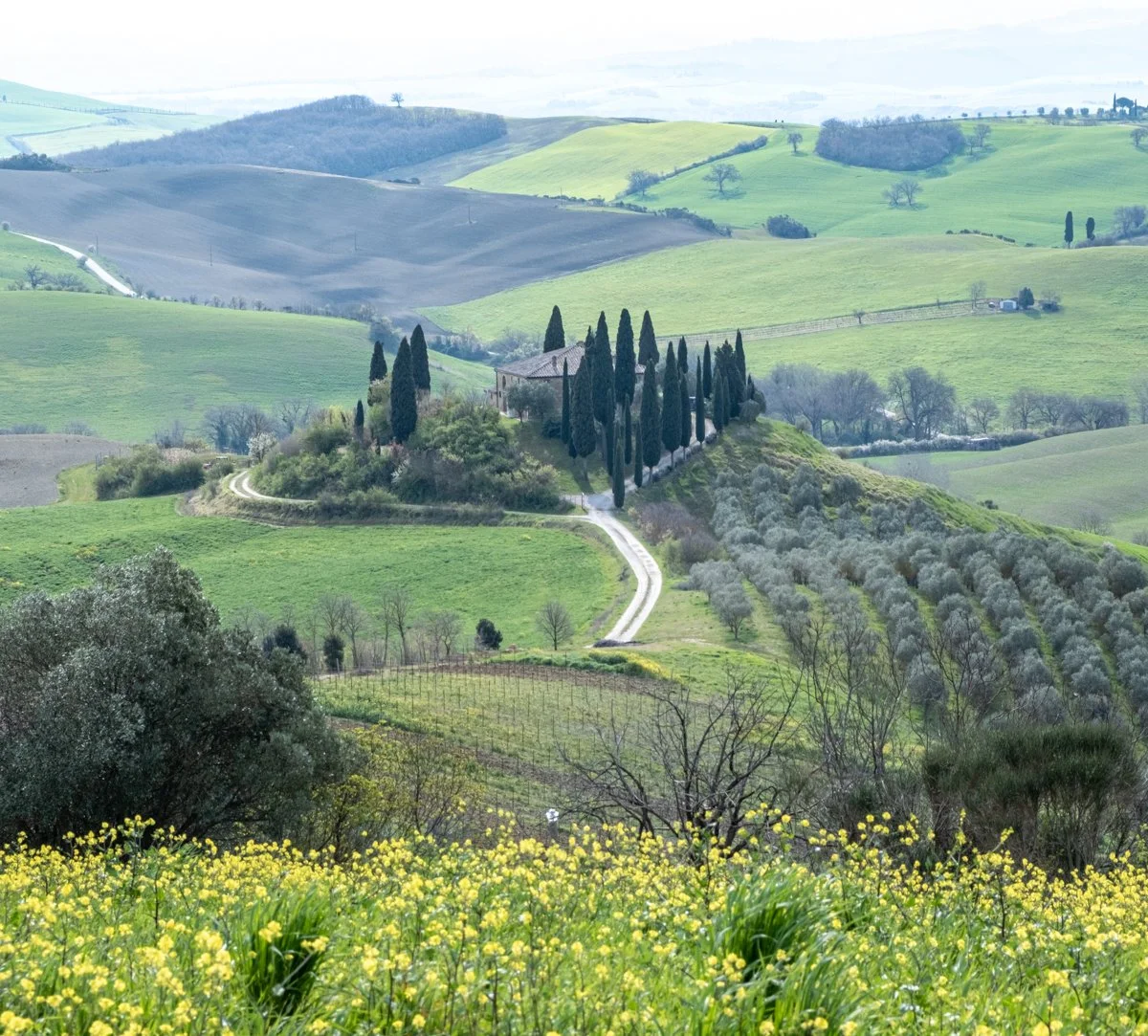
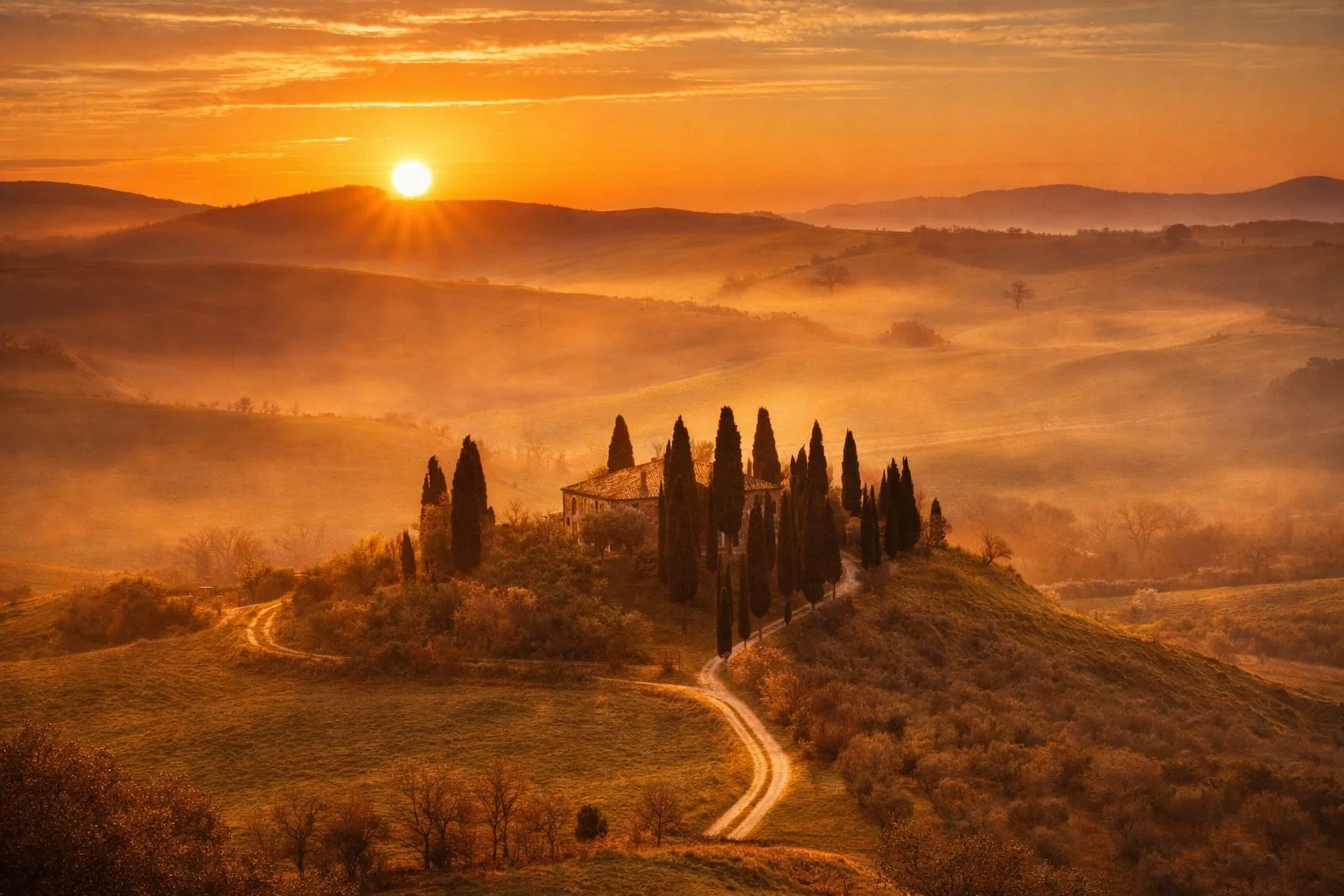
We spent the day just driving around the region, stopping whenever something caught our eye — which was often.
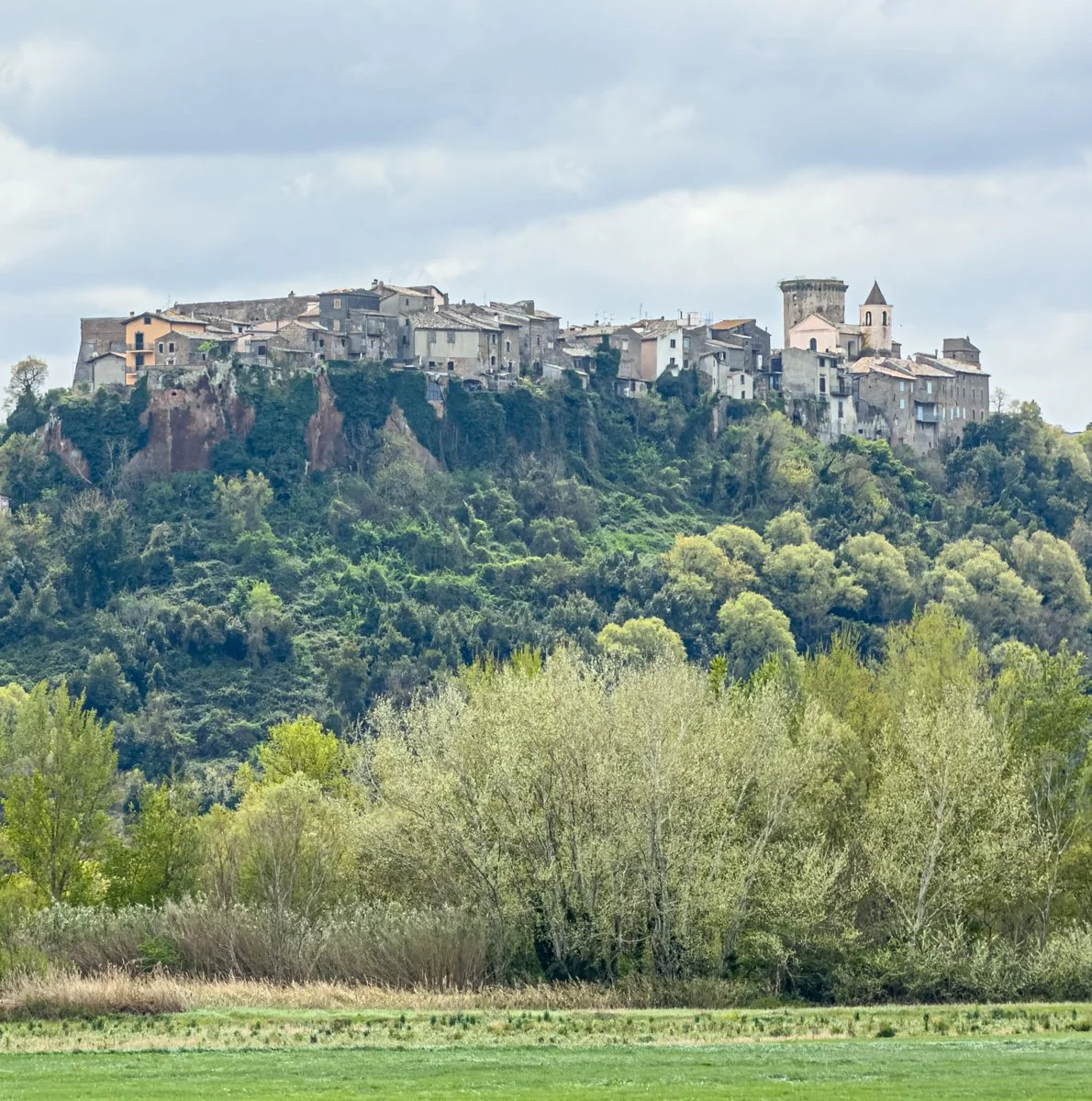
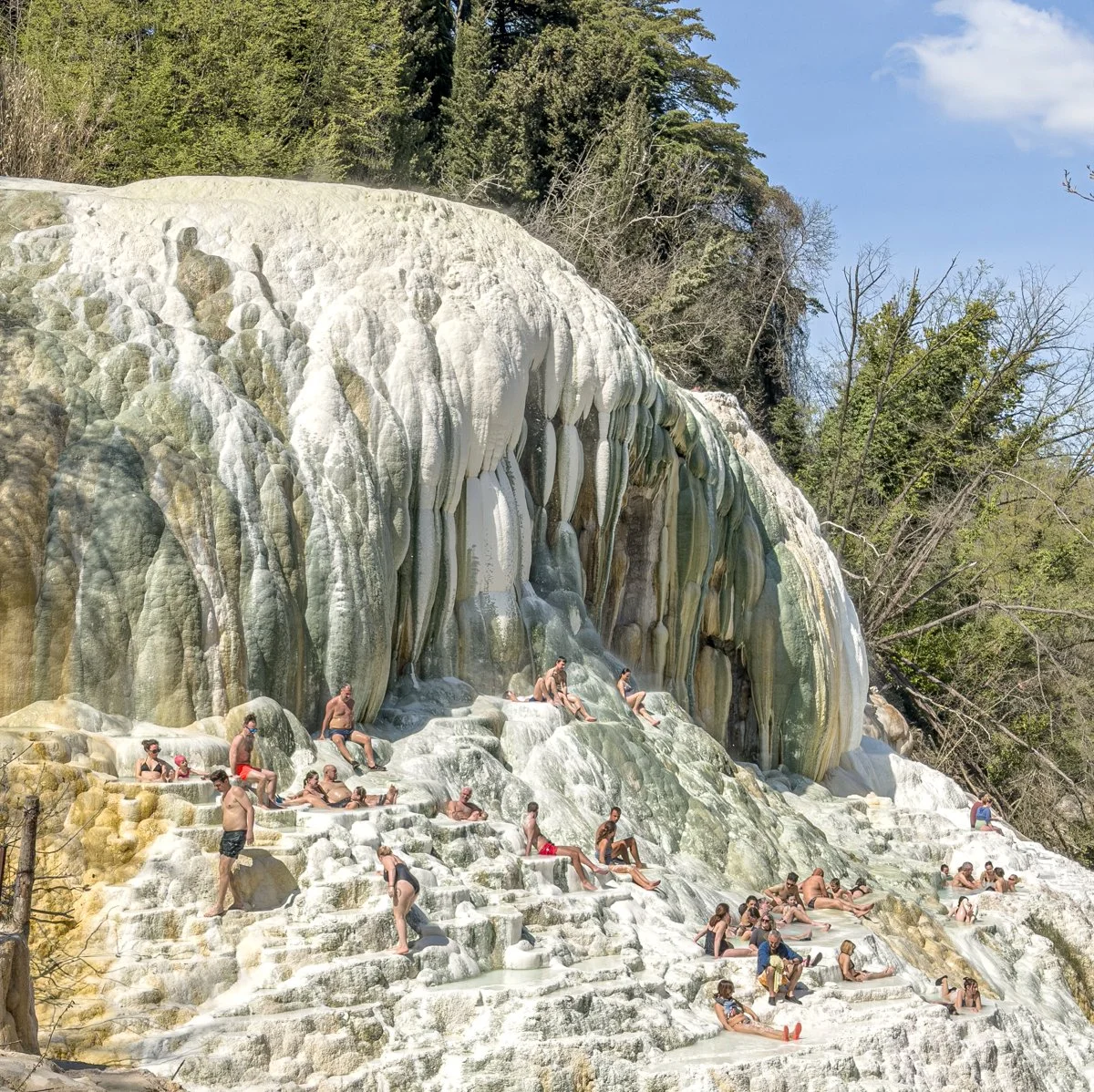
One stop had us at a local hot thermal bath but I think there were more tourists then locals. This is a small creek that runs into a couple of pools. We did not participate!
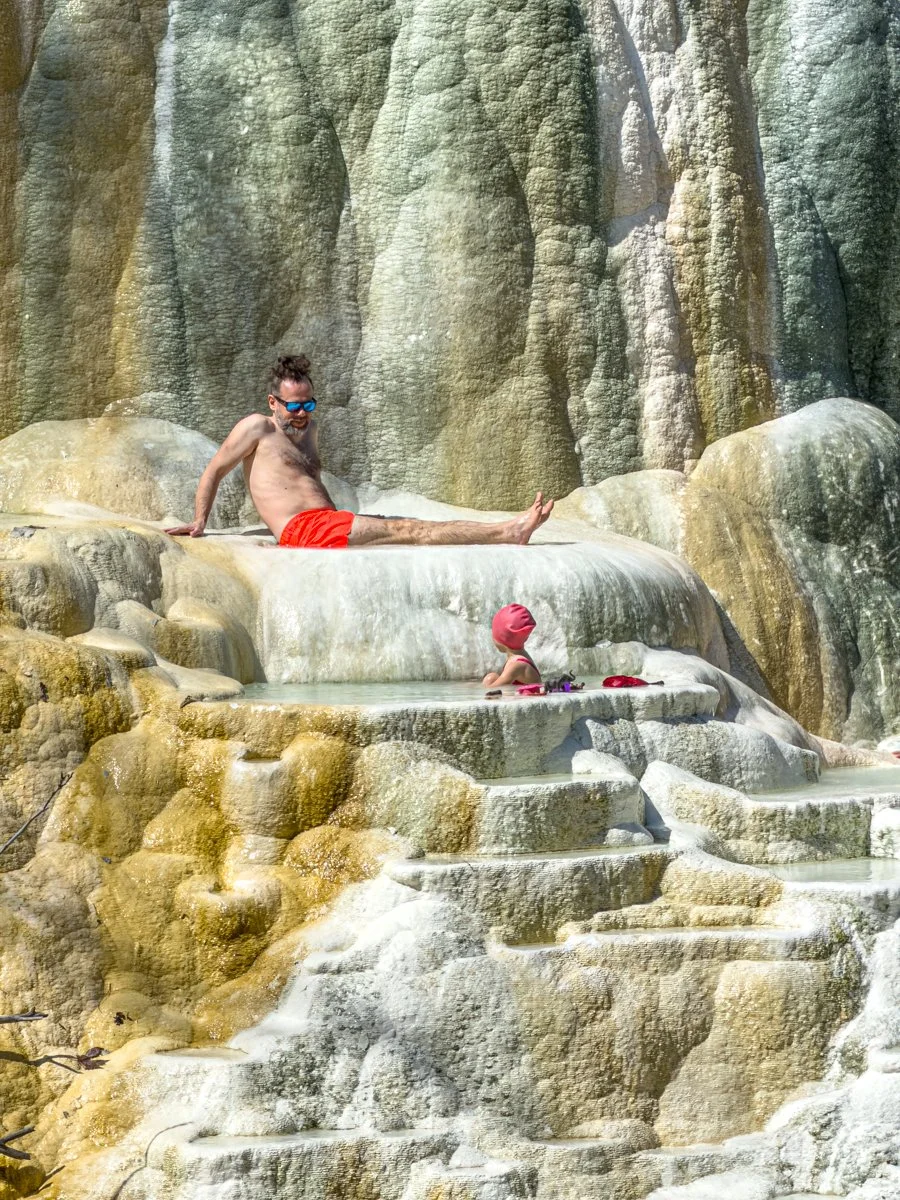
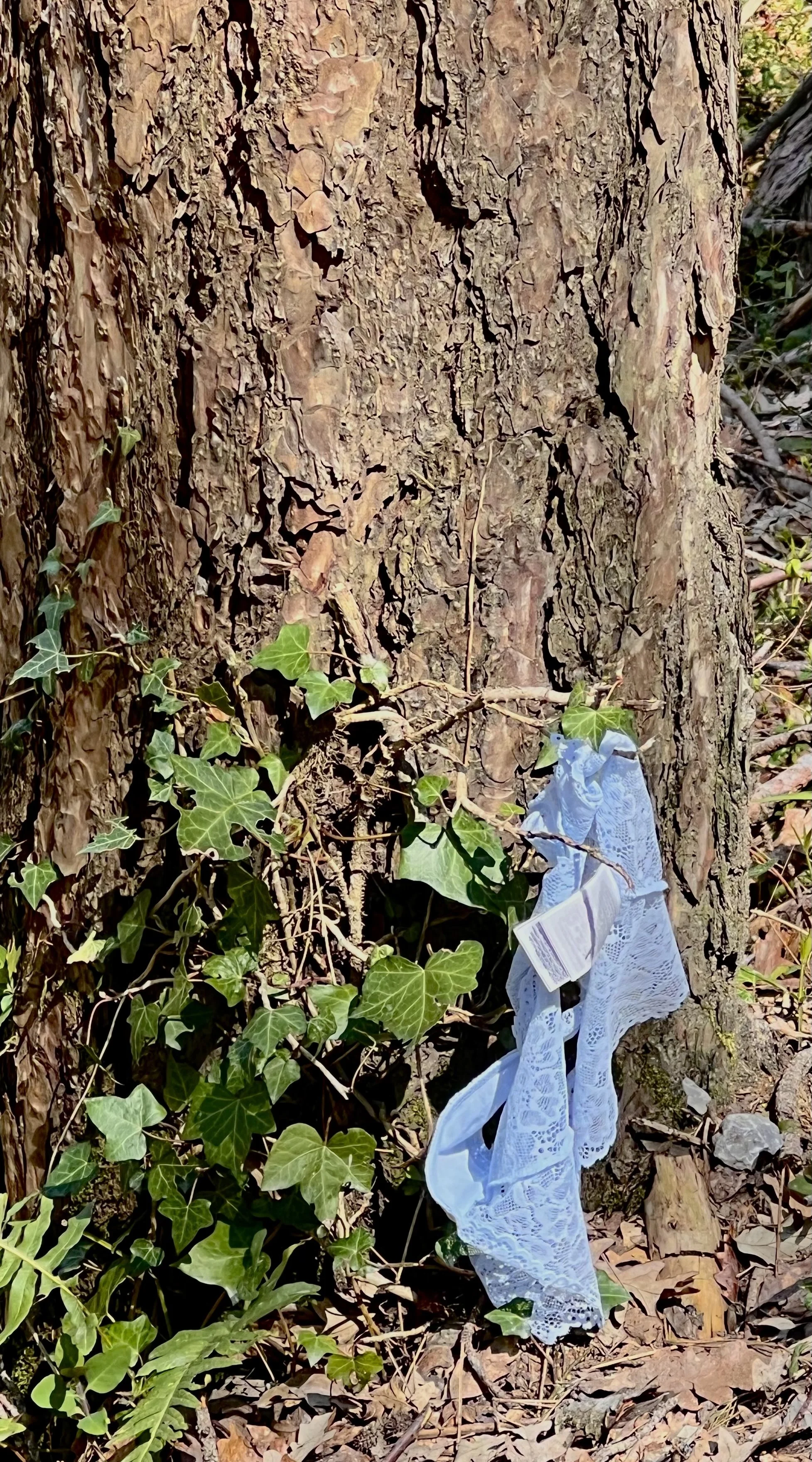
Not everyone goes home with all their gear.
Pienza — Picture Perfect
We also stopped in Pienza, which is known as the “touchstone of Renaissance urban planning.”
It’s a UNESCO World Heritage site, and honestly, it’s one of those places where photos don’t even come close to doing it justice. Every corner you turn looks like a postcard.
And yes… we found Gladiator Road.
On to Venice
From there it was a beautiful drive — through countryside, over mountains, and eventually along the coast — making our way to Venice.
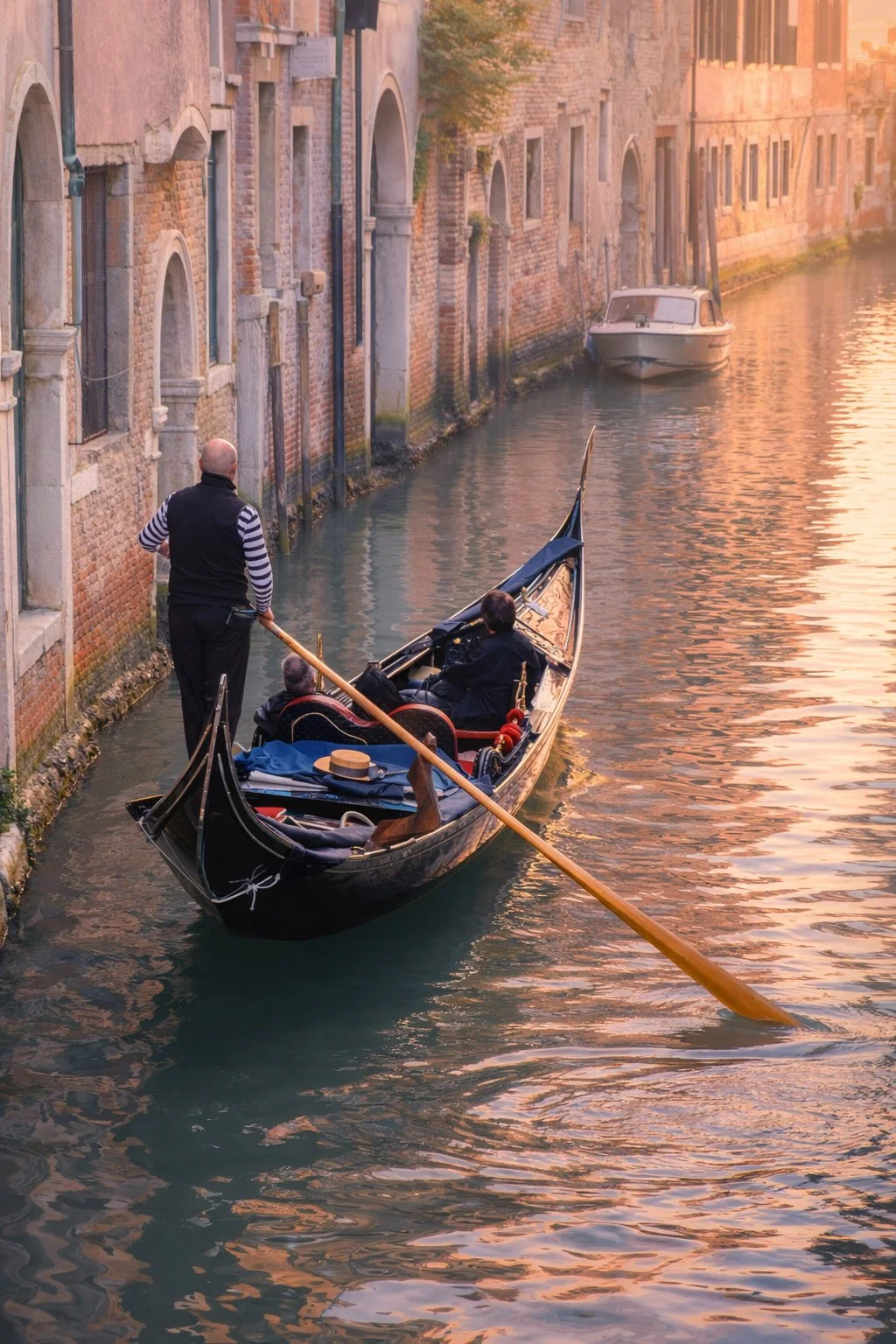
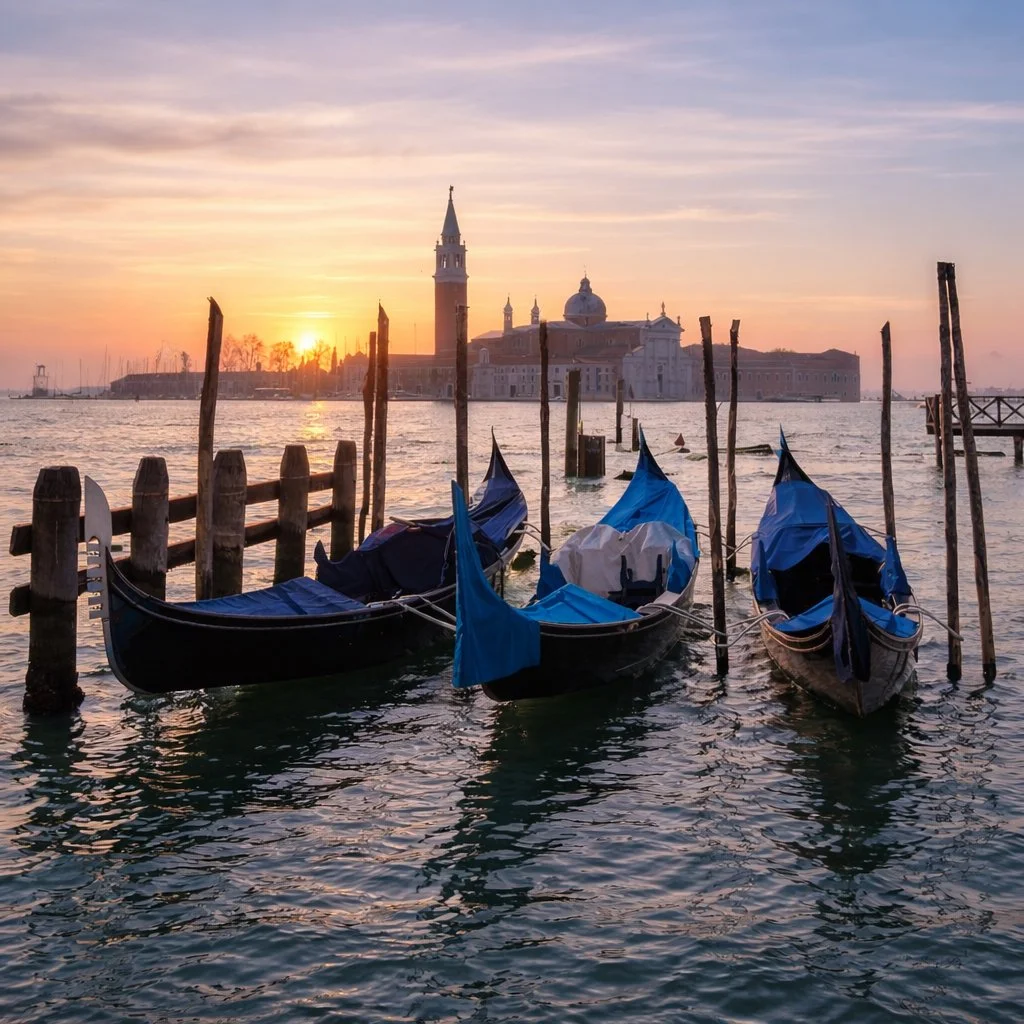
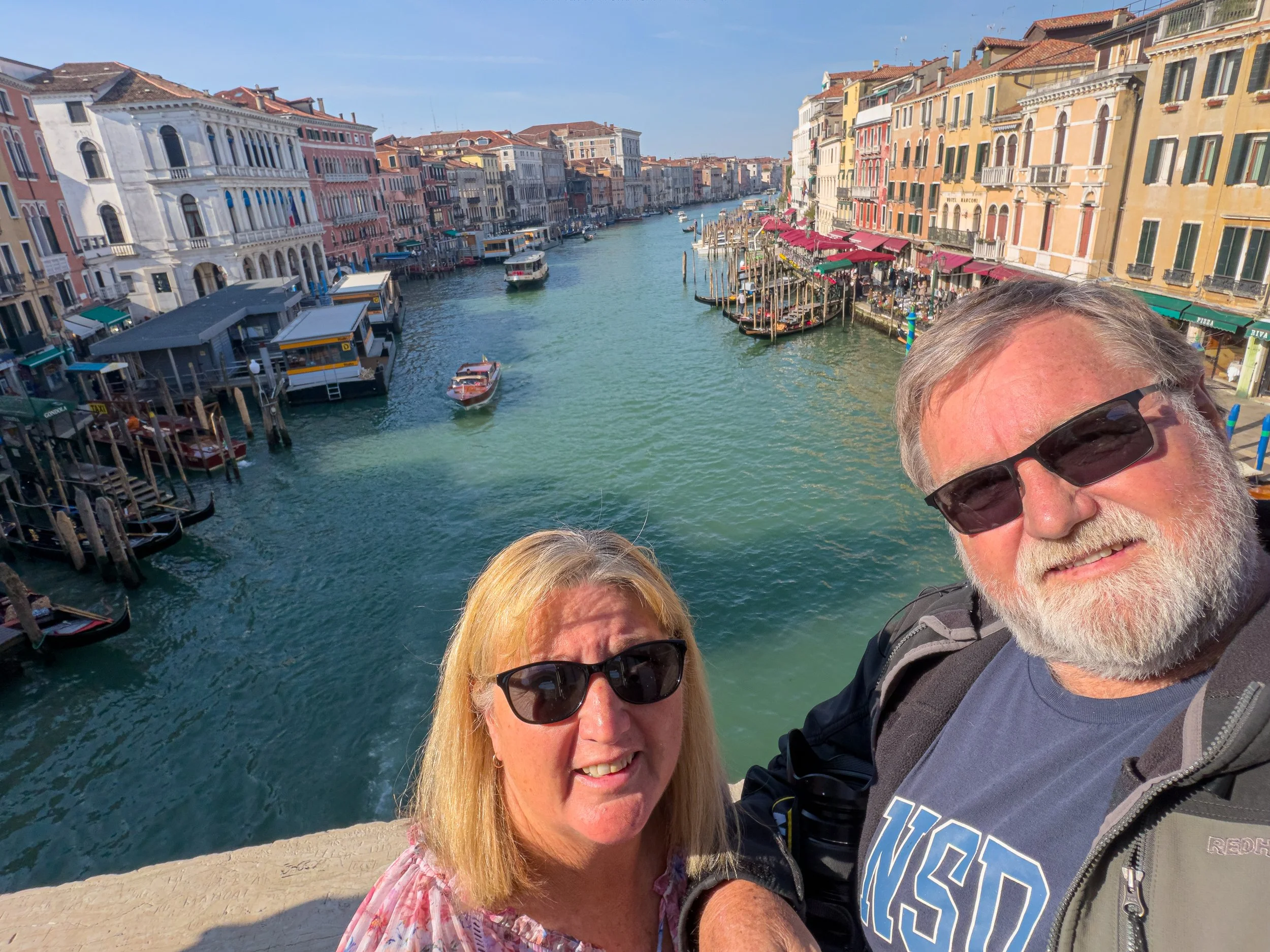
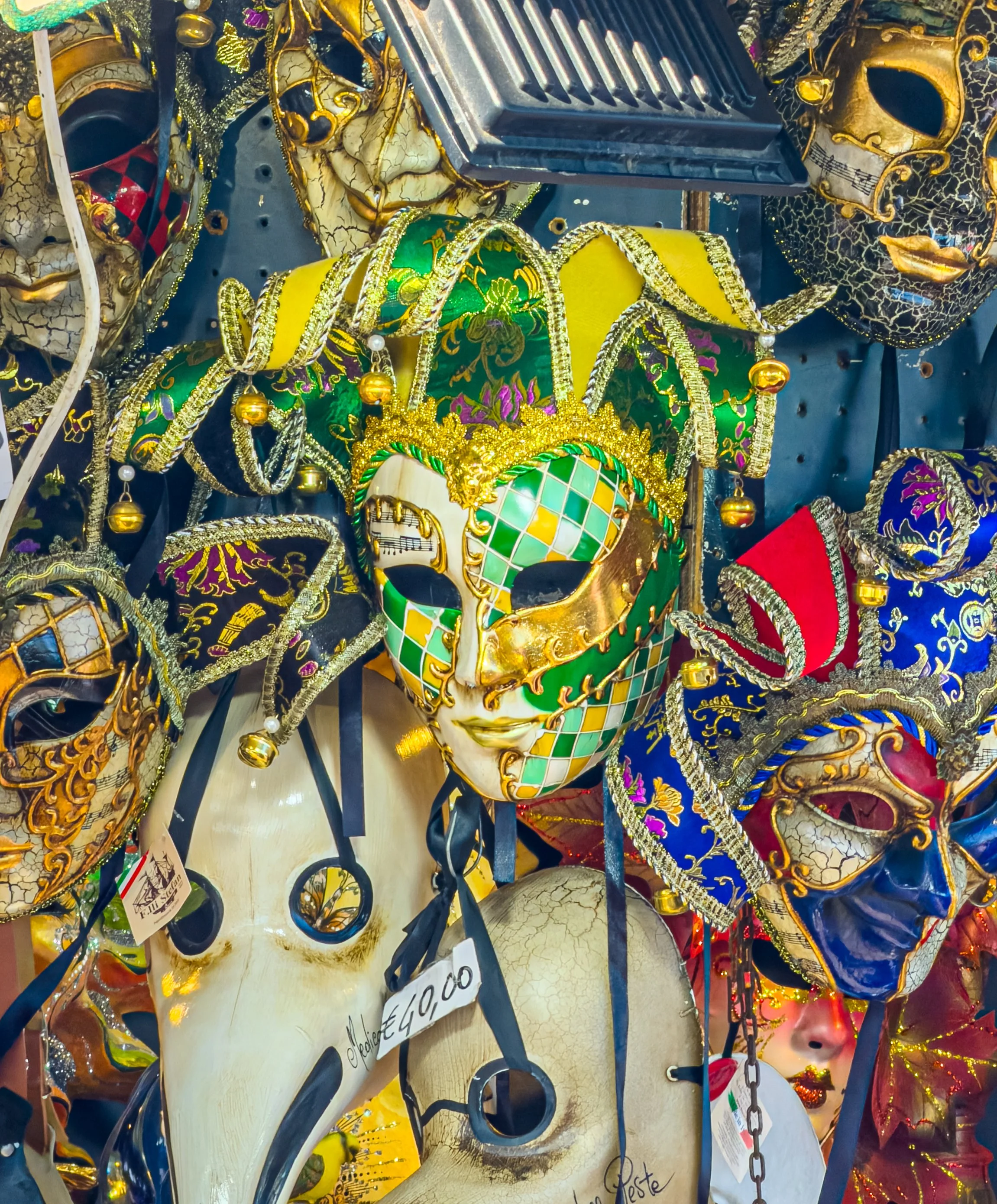
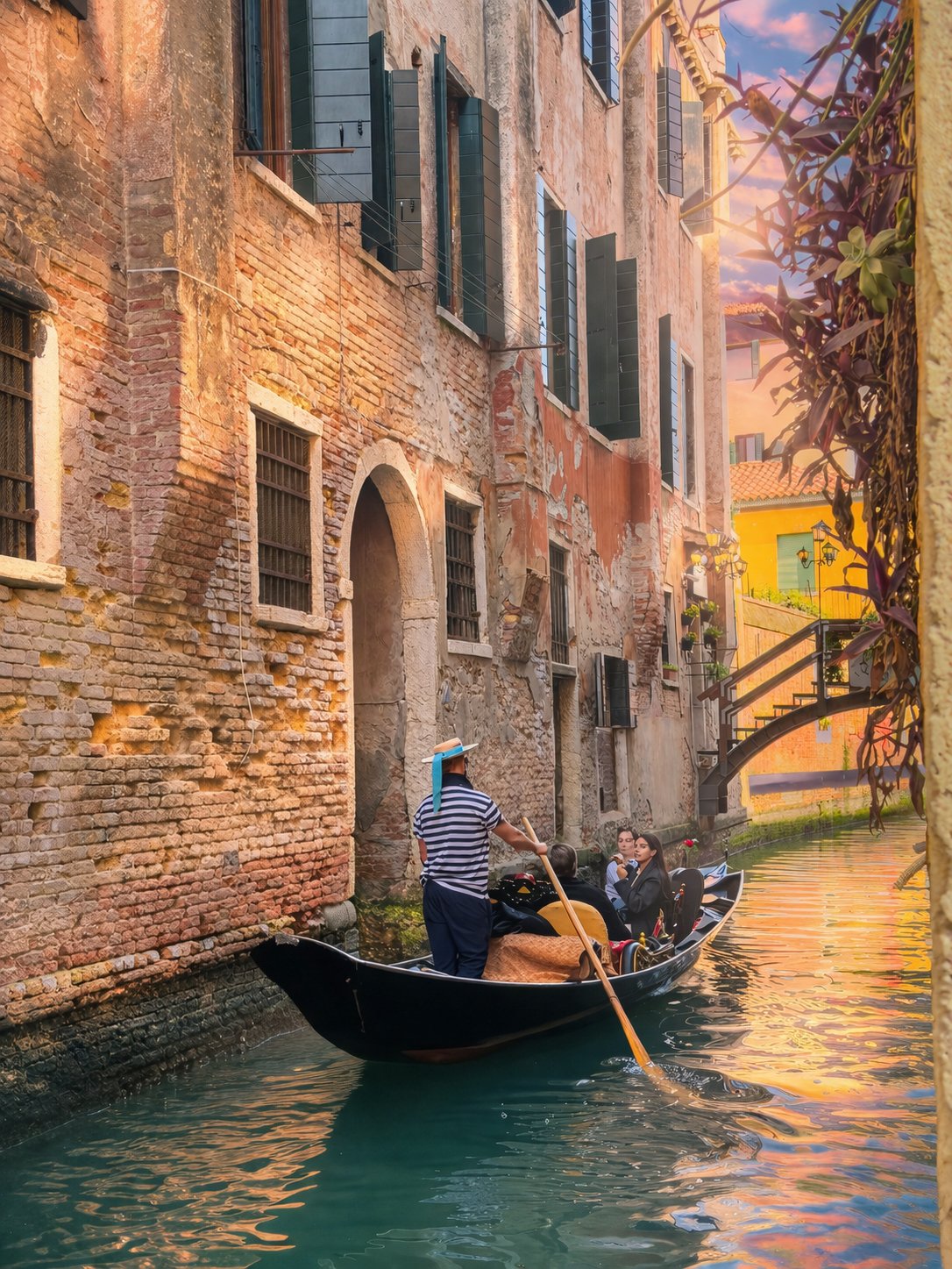
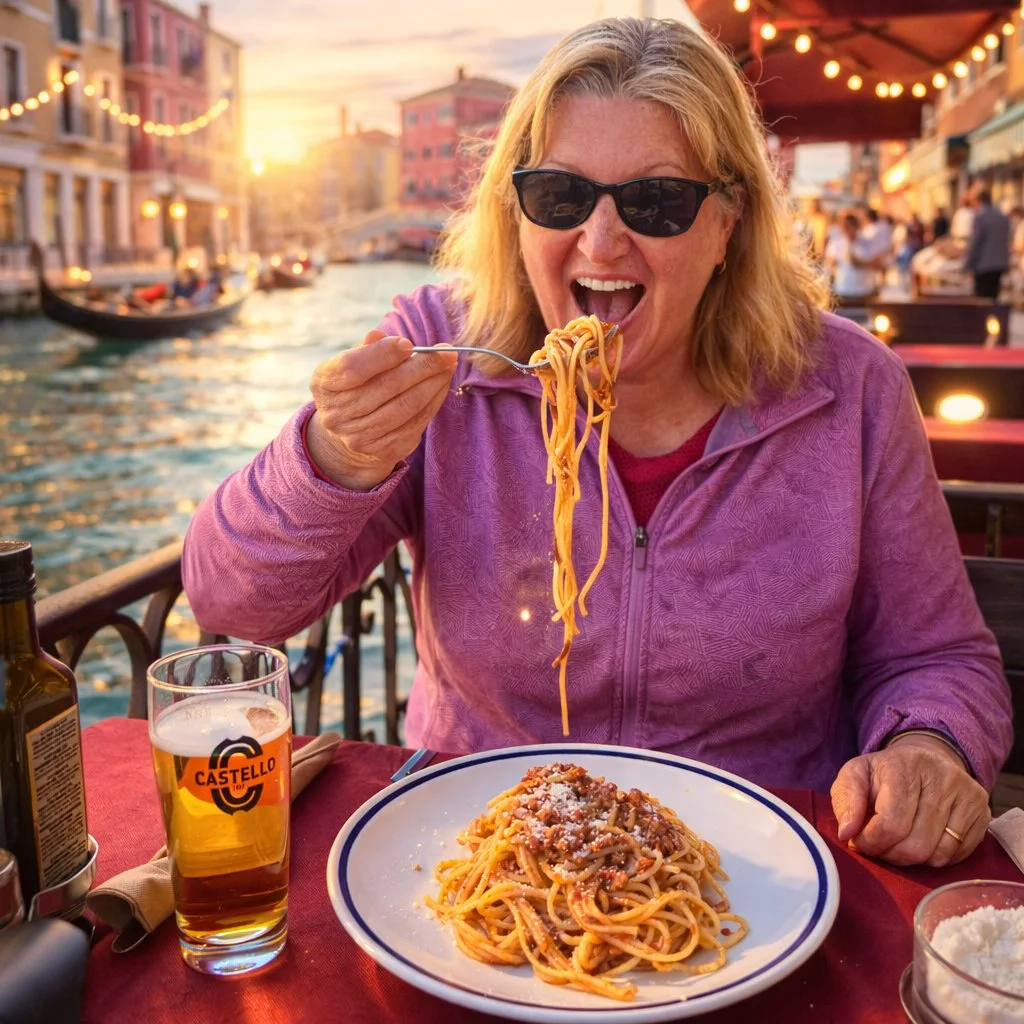
And what can I say about Venice? It’s just one of those places you have to experience for yourself.
It’s busy, yes… but it’s also incredible. Every canal, every little alleyway — there’s something to look at.
Burano — Worth the Early Start
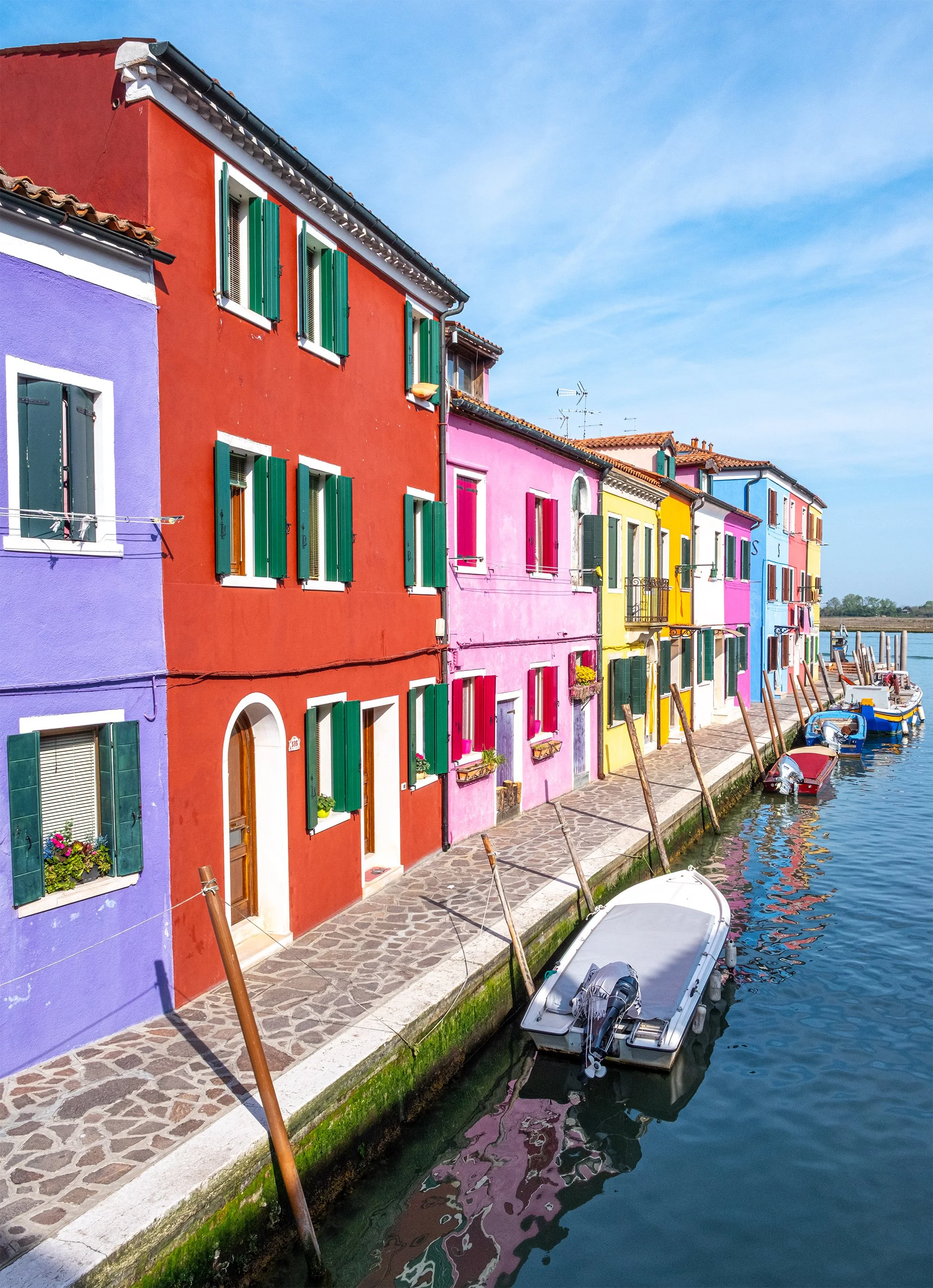
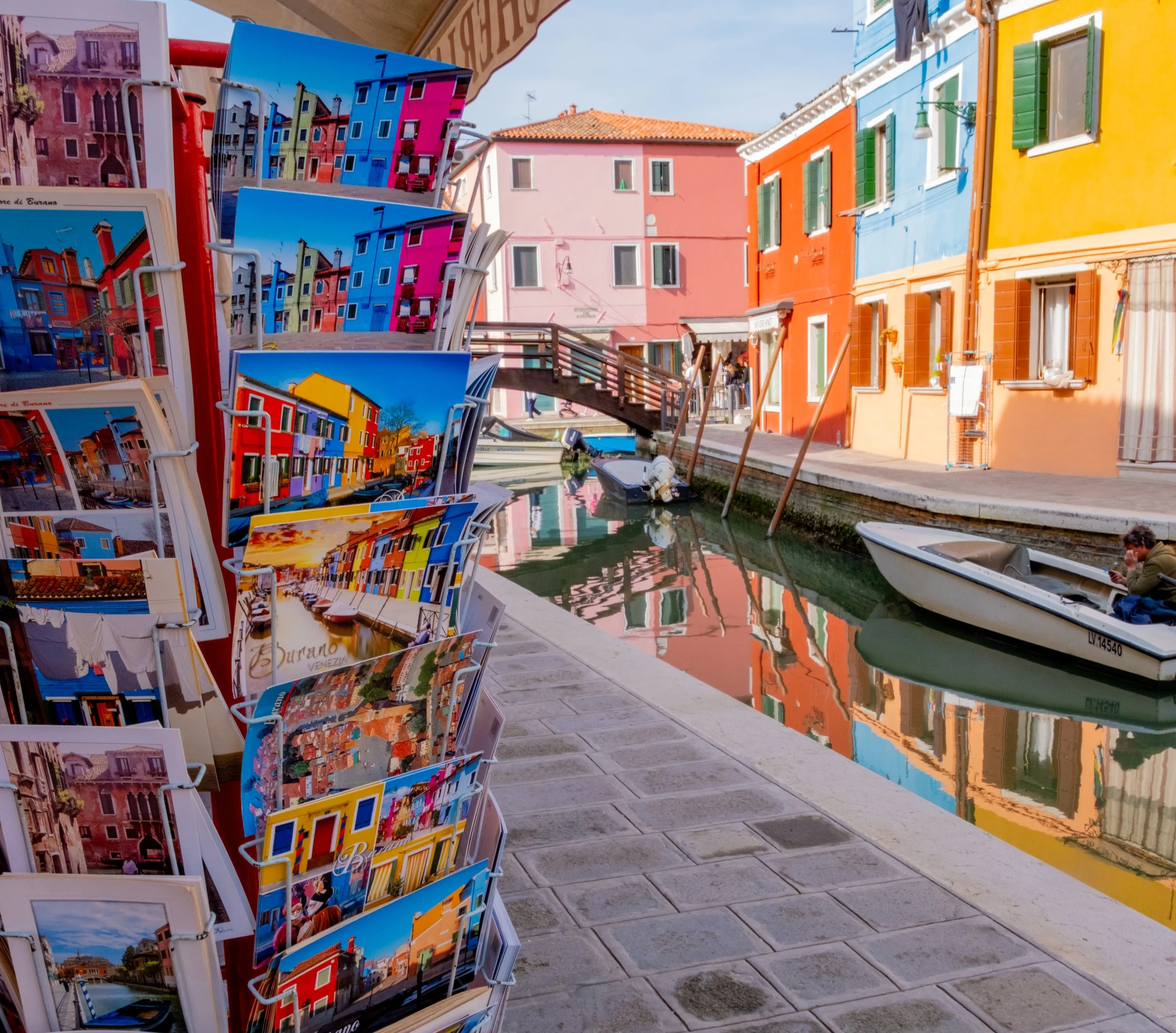
We took a trip out to Burano, which was a quick ferry ride from Venice and thankfully we went early, by the time we were leaving, it was getting very crowded.
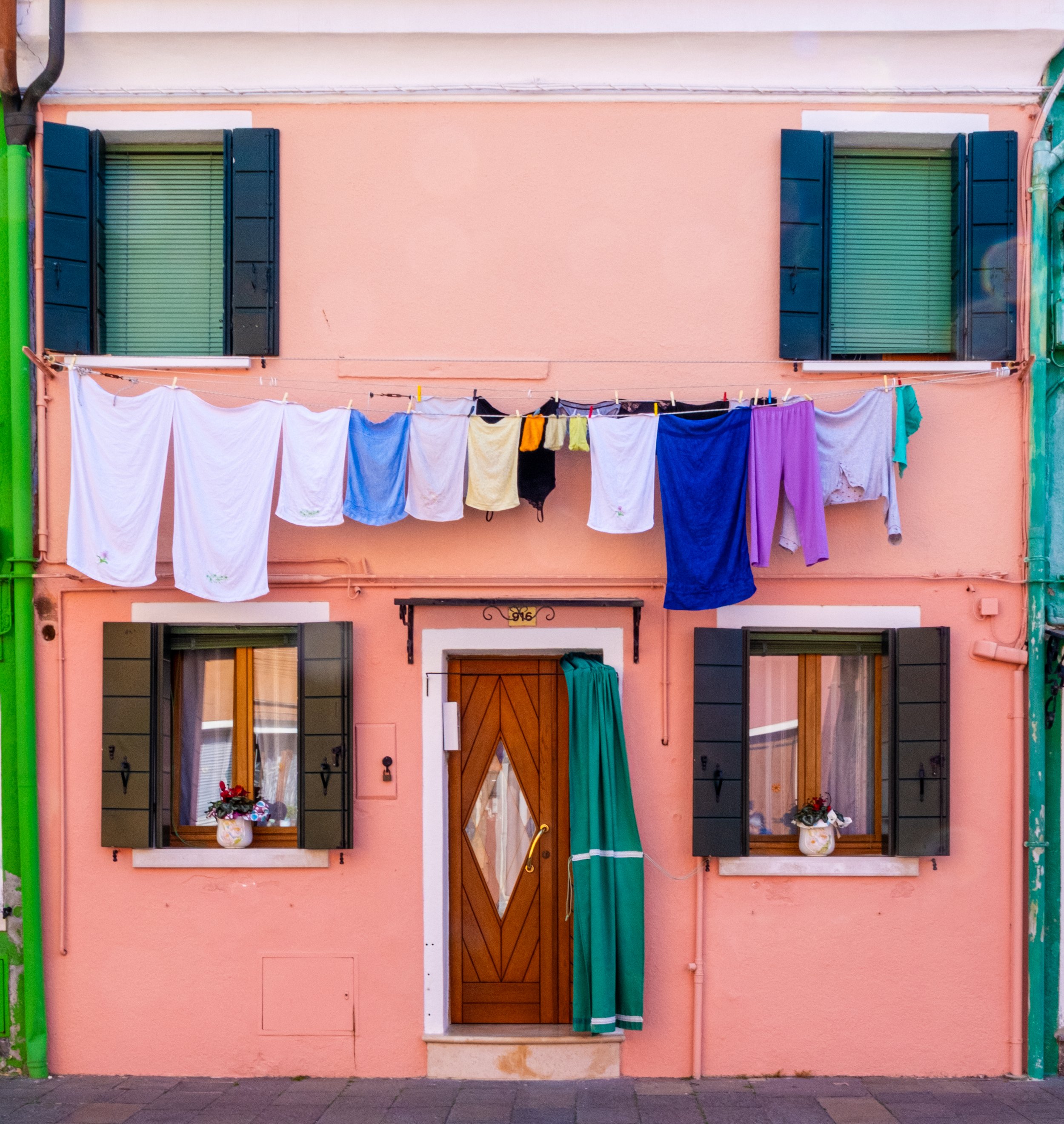
But it was absolutely worth it — the colourful houses, the atmosphere… it’s just a really unique place.
Washing Day
Back to the Mountains — The Dolomites
Next stop, another hire car — and this time we declined the upgrade. Lesson learned.
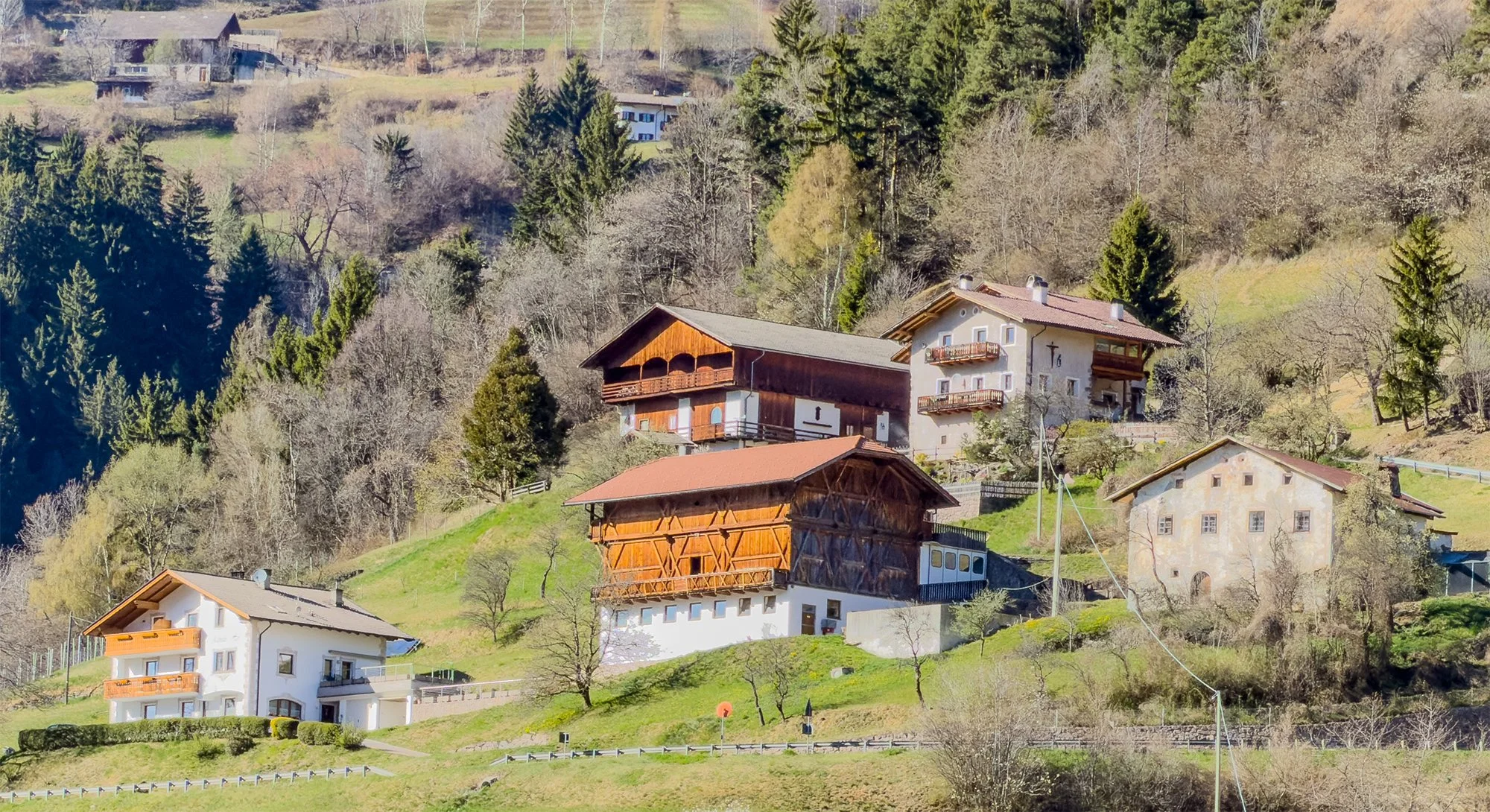
We headed towards the Dolomites and arrived in Ortisei, two things stood out straight away.
First — the German influence. The buildings, the food, even the language — it feels quite different to the rest of Italy.
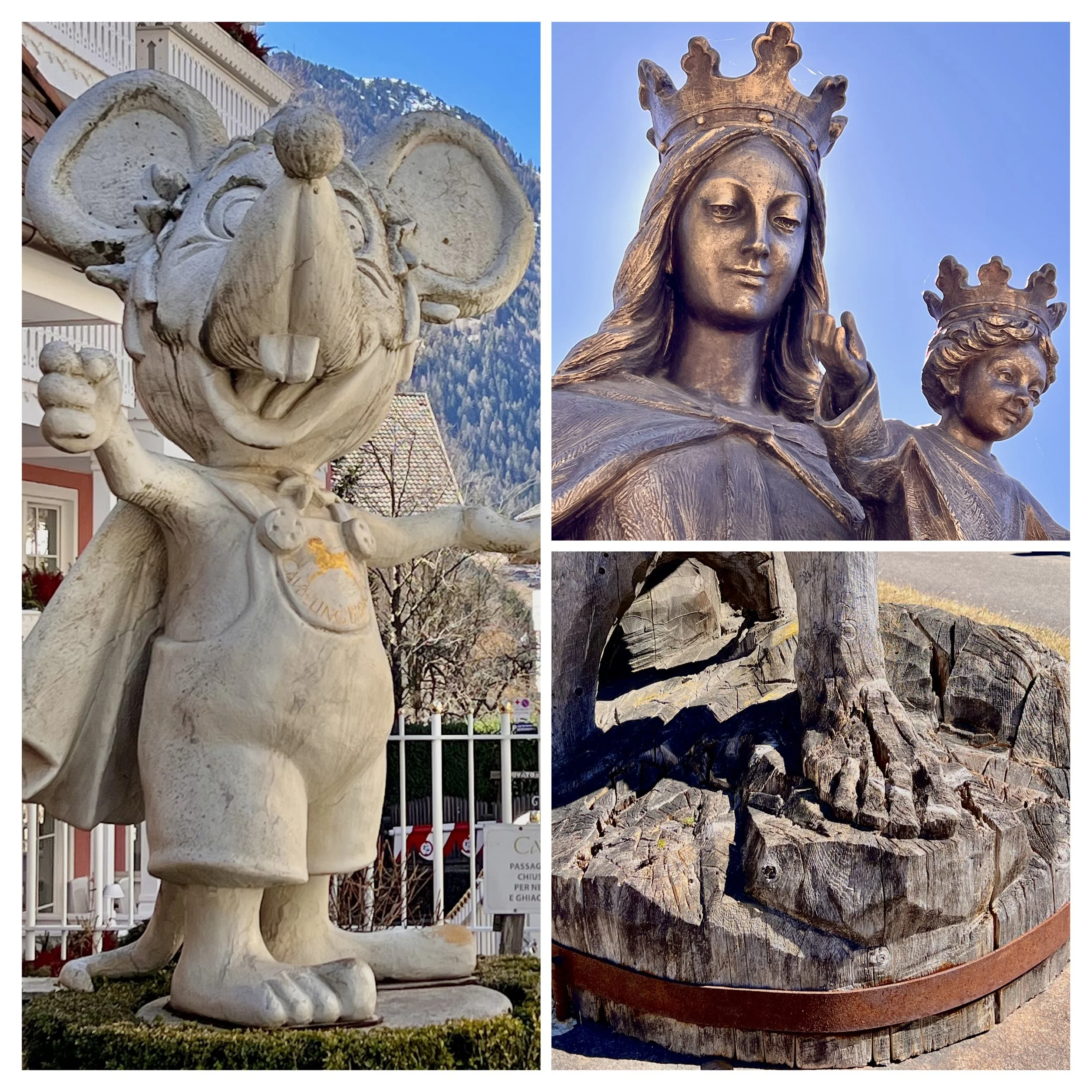
Second — the seasons. Here, it’s basically winter or summer.
We arrived in that in-between period, which meant a lot of accommodation, restaurants and tour operators were closed, only the essentials were open.
But thankfully… The mountains don’t close.
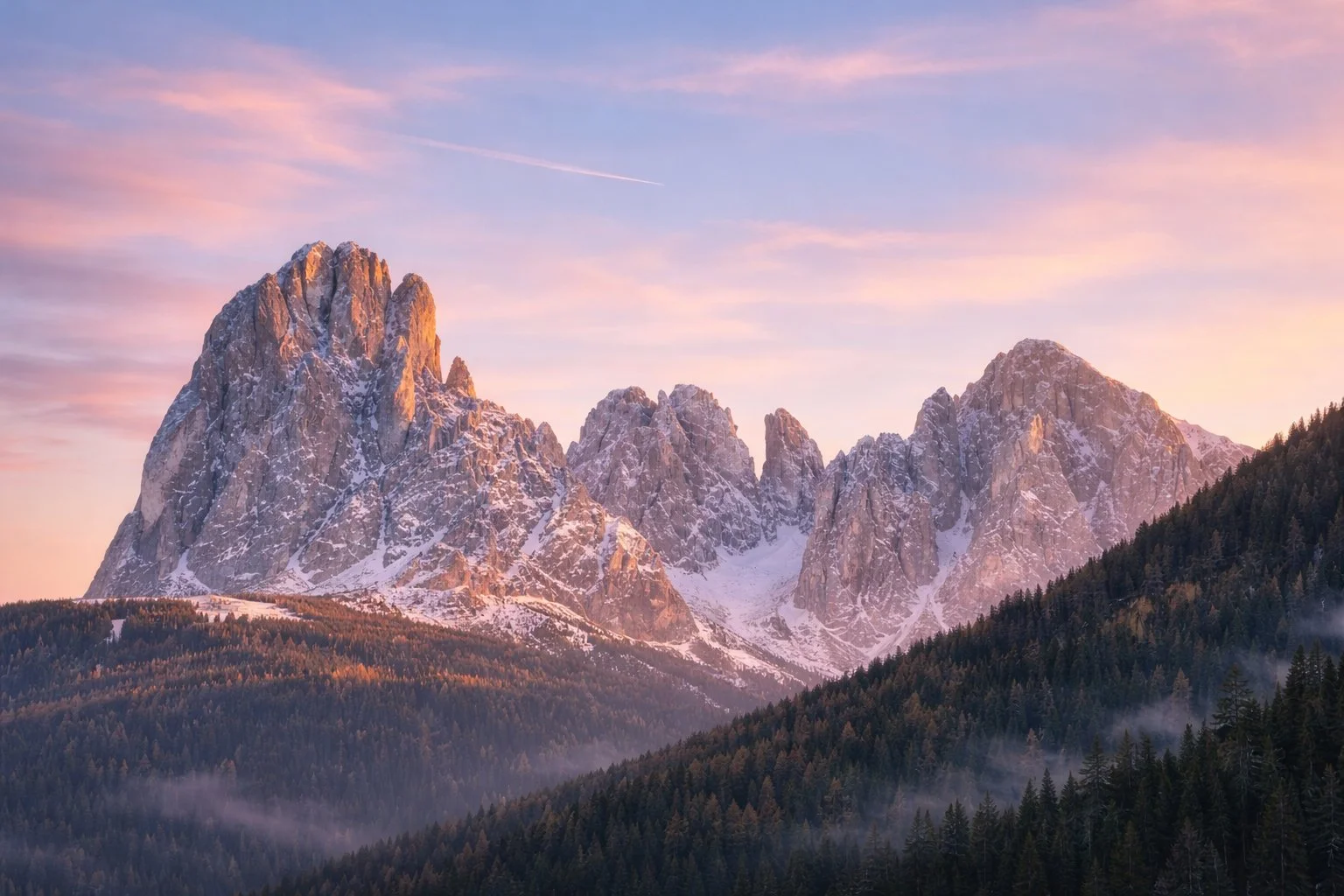
The Dolomites early mroning
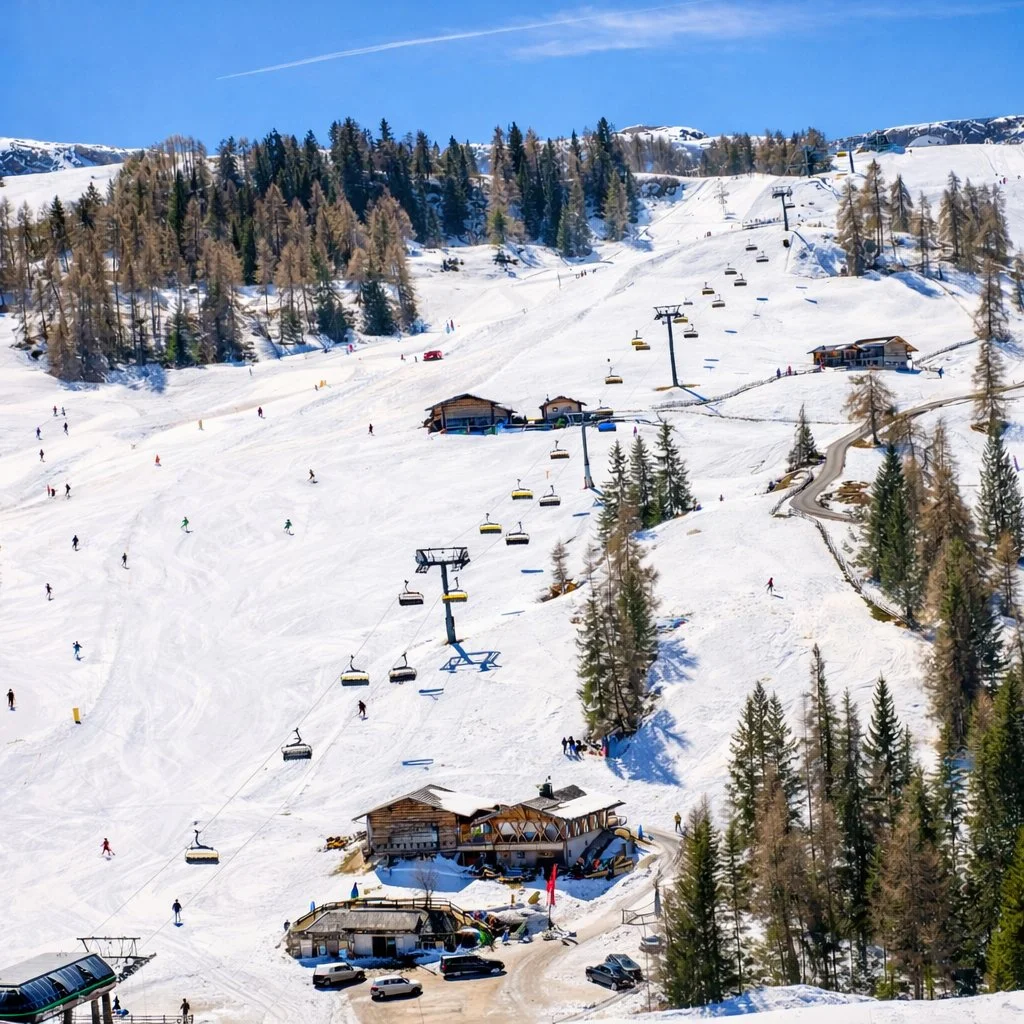
On a drive around we came across the remains of a ski slope with people still getting the last of their ski season in.
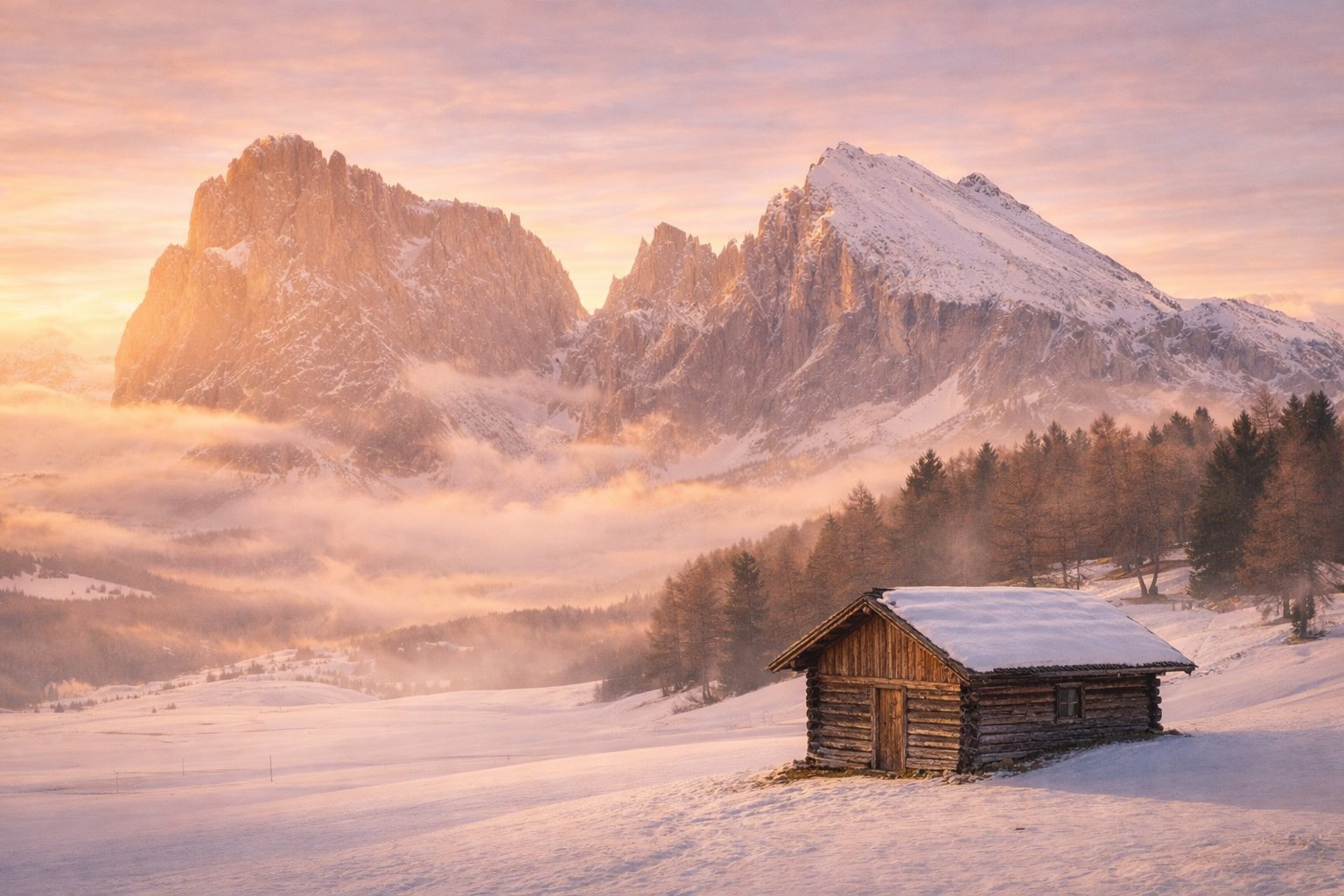
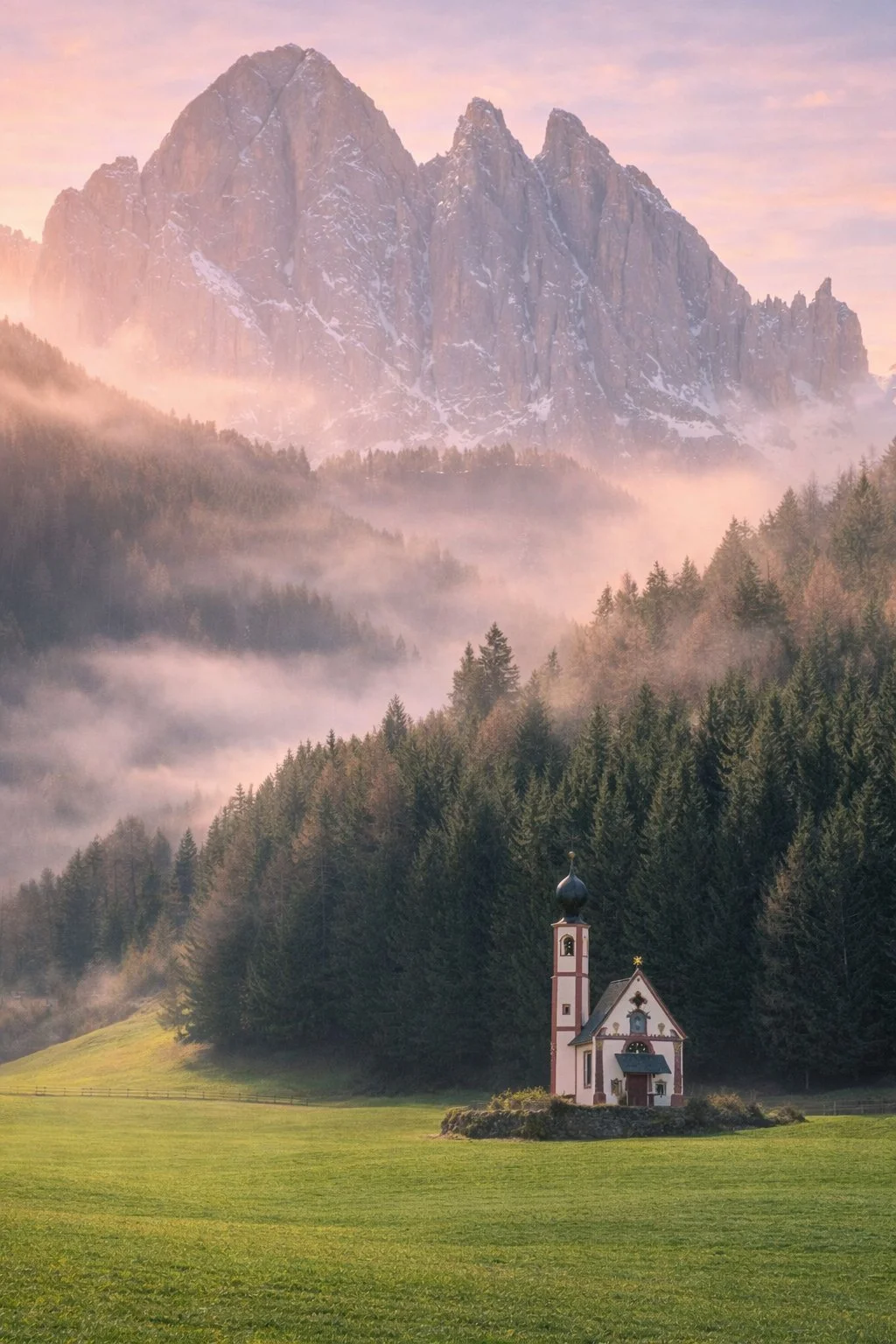
Chiesetta di San Giovanni (St. Johann Church)
Where’s George!
Well, I’m not too impressed that George Clooney decided to up and move to France just as we had our accommodation booked next door—timing could’ve been better! Only joking, of course.
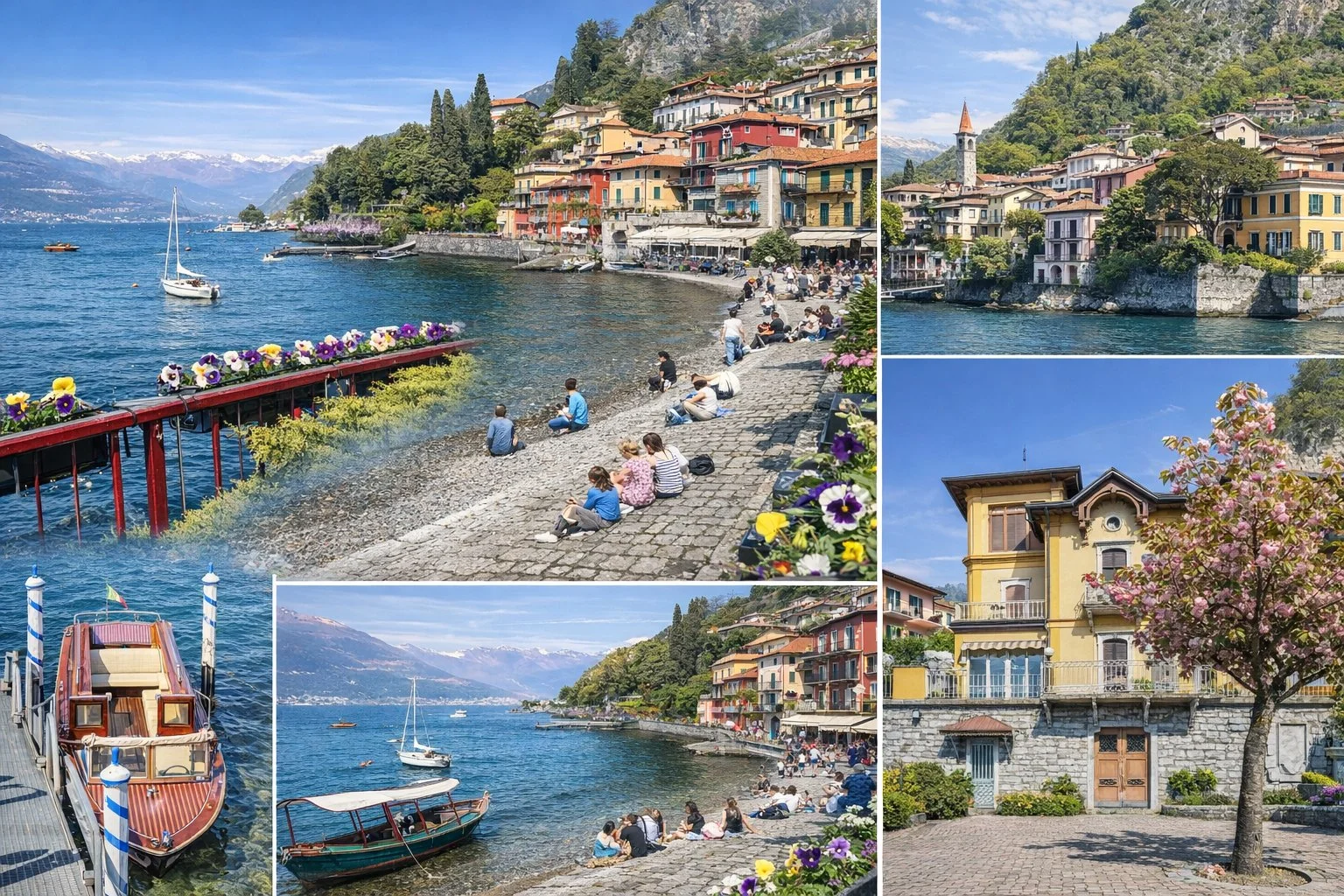
We spent a night in Bellagio on Lake Como, and you can really see it’s a whole different lifestyle there. Everything feels a bit more polished, a bit more relaxed—like people have properly figured out how to enjoy life. The villas lining the lake, the little streets winding up the hill, and those views across the water… it’s honestly stunning.
Even just sitting by the lake, you can’t help but slow down and take it all in. It’s one of those places where you understand why people come for a holiday and end up staying.
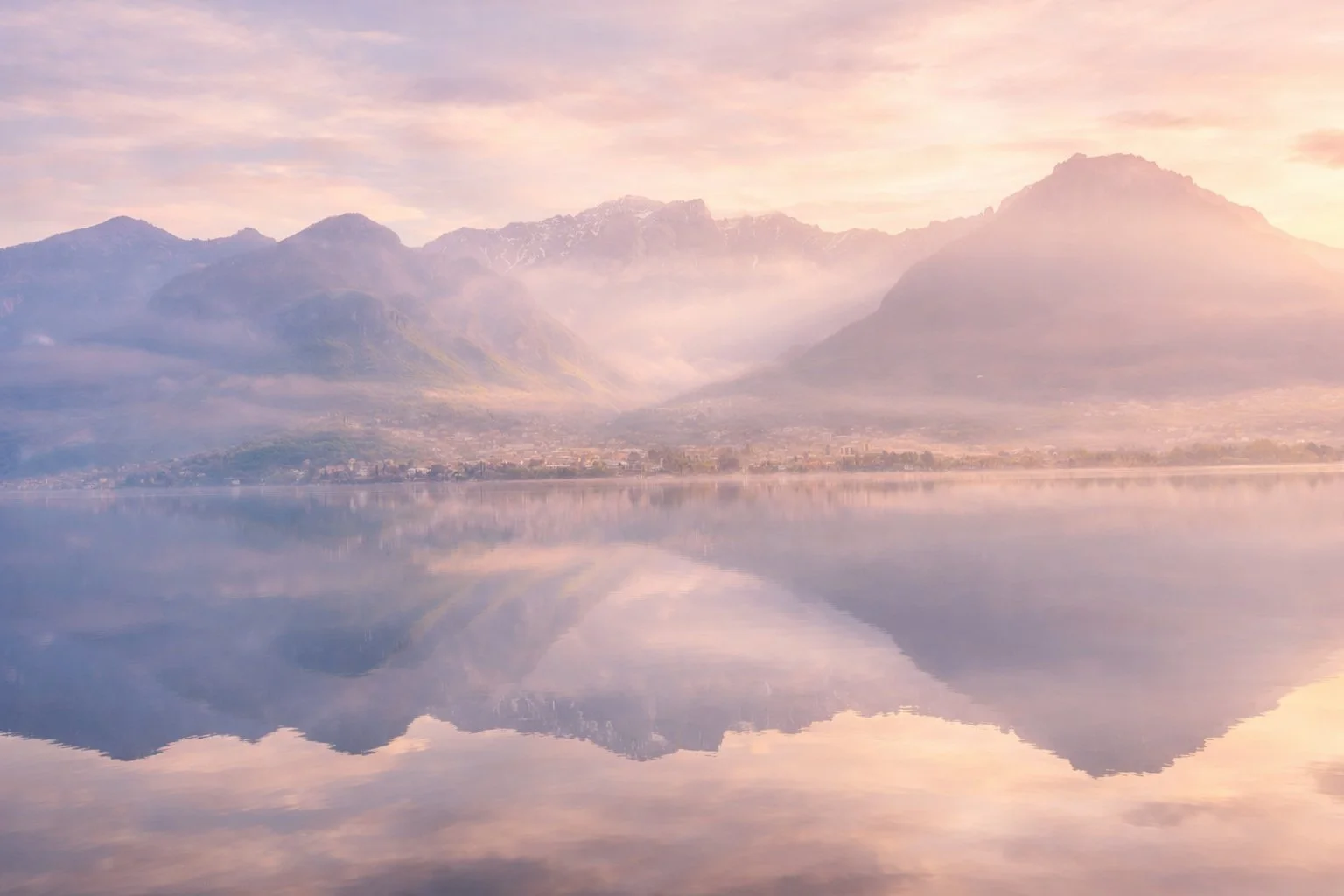
Misty morning on the lake
Wrapping Up This Part of Italy
So the rest of Italy has been completely different to Rome. Less crowds, more space, incredible scenery, and a lot more of those “wow” moments we were hoping for. It just goes to show — sometimes you need to get out of the big cities to really appreciate a place.
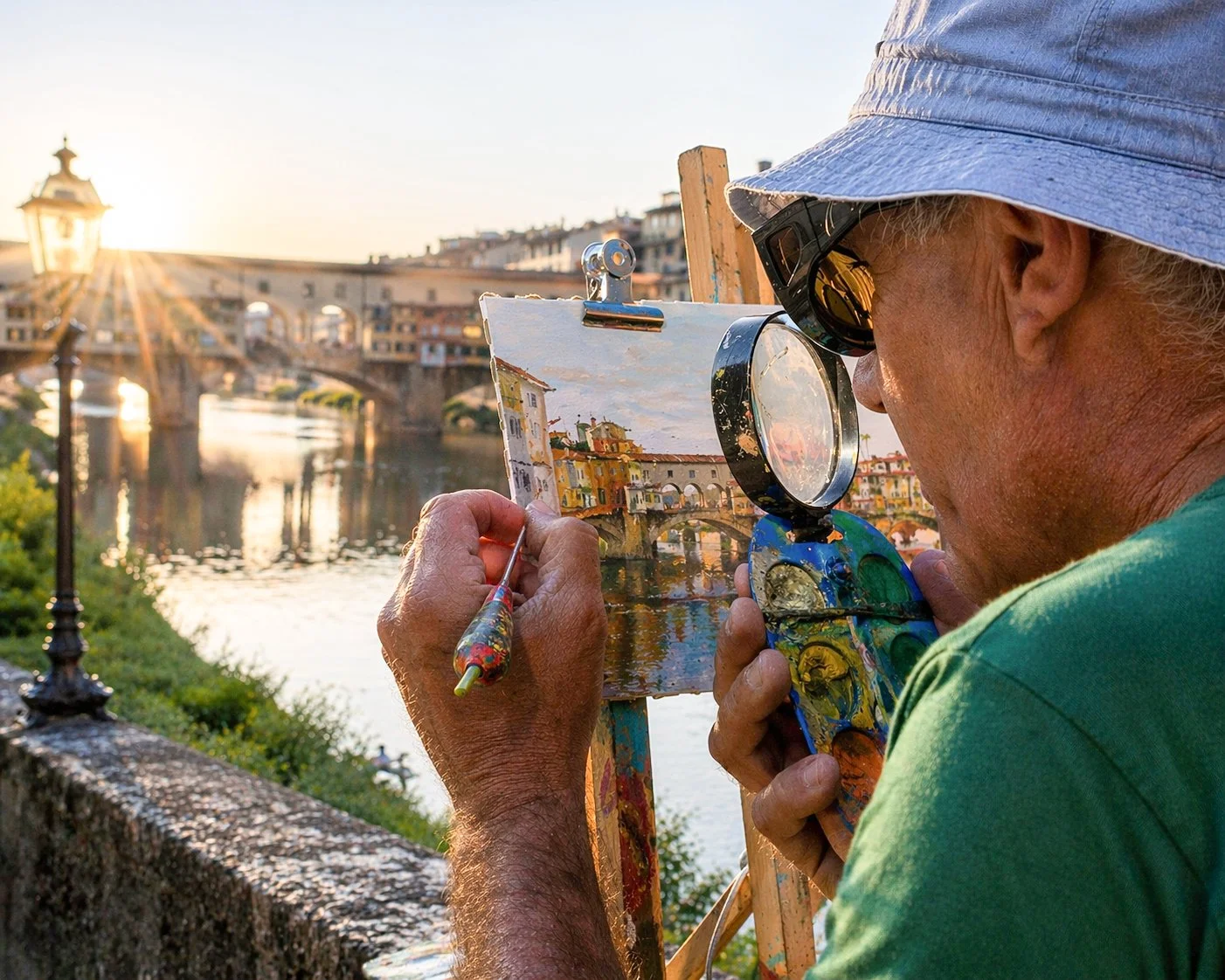
Where to next you ask - well you’ll have to stay tuned!
© Michelle Brown 2026. All photographs and content on this blog are the property of the author and are protected by copyright laws. Unauthorised use, reproduction, or distribution is prohibited without prior written permission.