GERMANY - 2026
🇩🇪 Germany has been a fascinating mix of efficiency, chaos, beauty—and crowds.
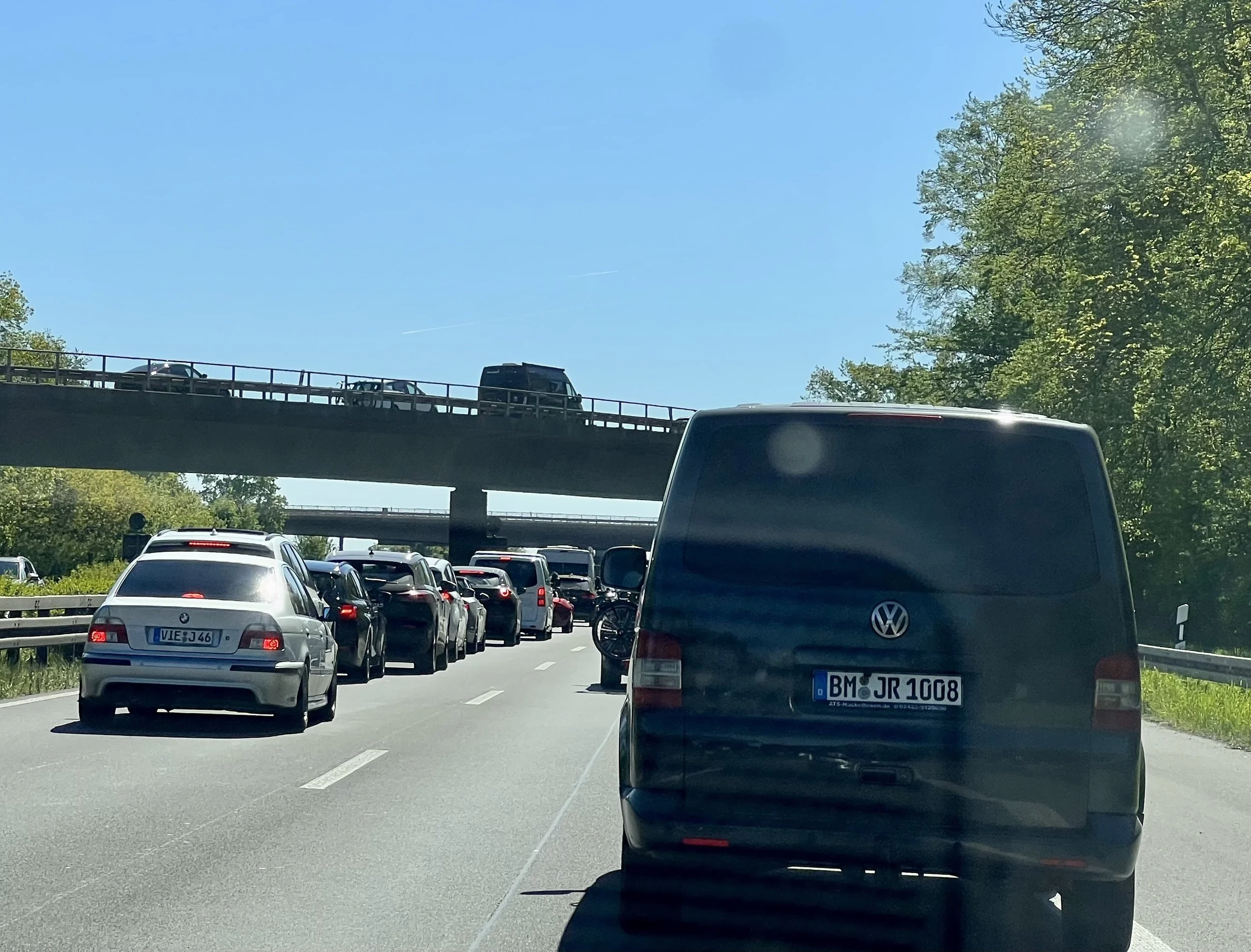
One of the first things we’ve noticed travelling through Europe is how different countries manage their roads. In Germany, trucks are largely banned from driving on weekends and public holidays. The idea is simple—reduce congestion, cut down noise and pollution, and make the roads safer for holiday travellers. So naturally, we thought we’d cracked the code: plan our longer drives on those days.
Turns out… so did everyone else.
🚛 Waiting for the Green Light
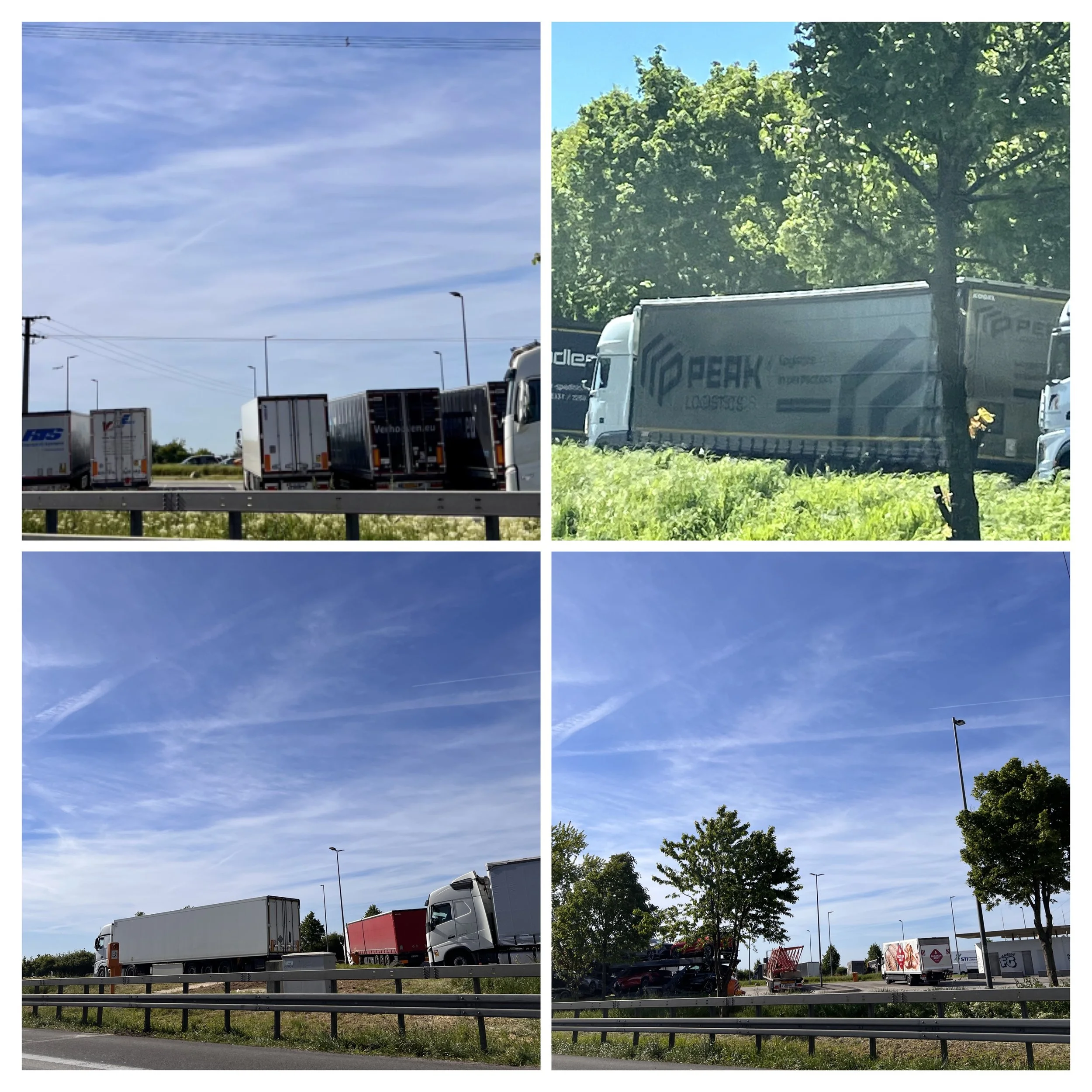
We pulled into rest stops that were absolutely packed, not so much with travellers like us, but with trucks. Rows and rows of them, parked up, waiting.
It’s a strange sight—like a paused system, ready to surge back to life all at once. Some essential service trucks are allowed to travel on Saturdays, but Sundays are off-limits again, so everything feels very structured.
Then when it hits 10 pm on Sunday night it’s full steam ahead, that’s when the restriction lifts and they’re allowed back on the road.
🚗 Autobahns… and Not What You Expect
Driving the autobahns is an experience in itself. Yes, there are sections where you can stretch the legs a bit, but much of it is controlled. The general limit hovers around 130 km/h, but the moment you hit an exit or a merge, it drops sharply—sometimes down to 60 km/h.
And that’s where it gets interesting, traffic backs up. For miles, you go from smooth cruising to stop-start queues in no time, which takes a bit of the romance out of the whole “fast German highway” idea.
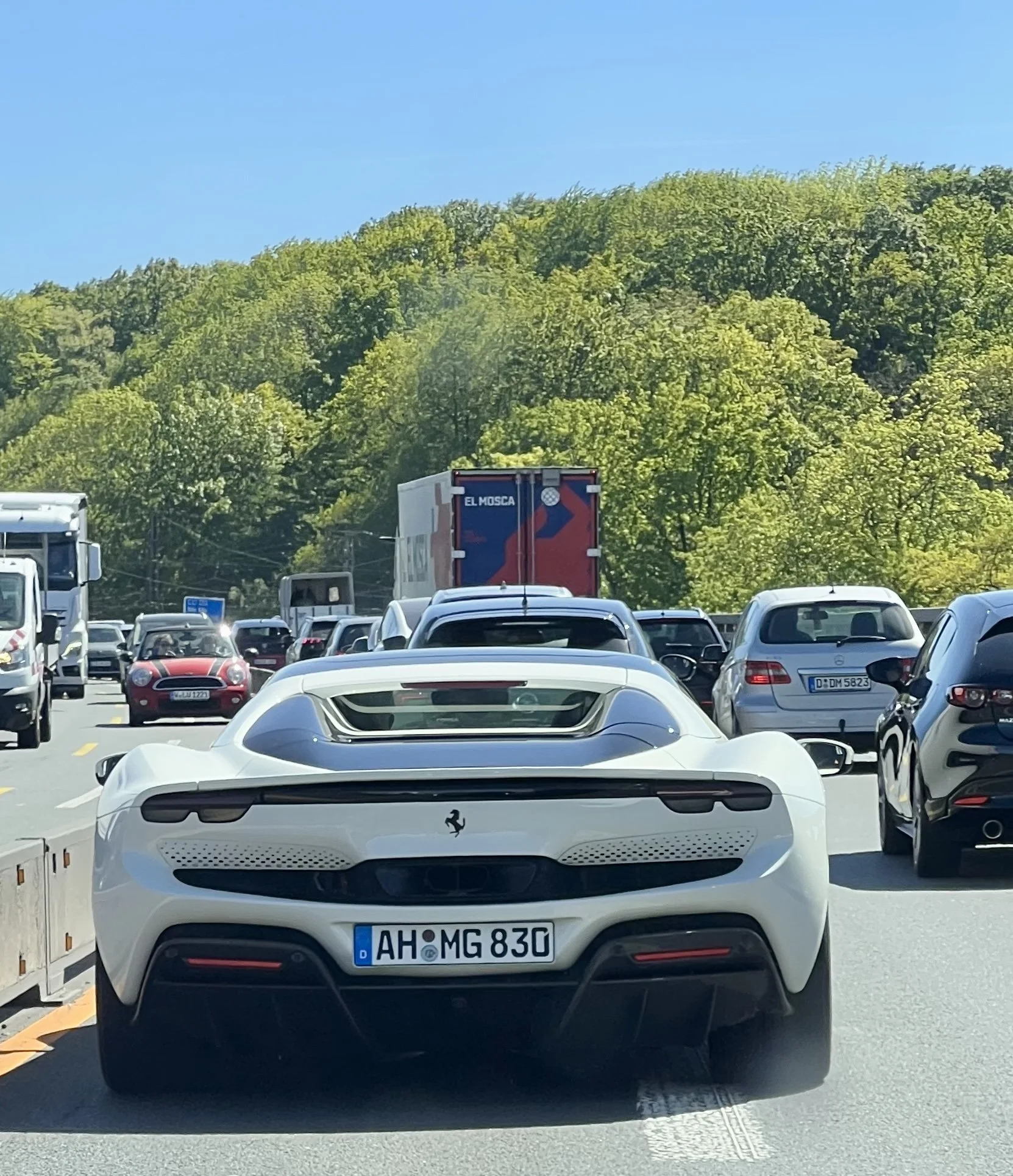
In the unlimited speed zone Digby did get up to 100 mph (160 kph) much to my dismay. Scary thing is that there were still cars overtaking him! Luckily this was only for a short period of time.
🌼 A Softer Side of Germany
But then—you leave the autobahn and everything changes.
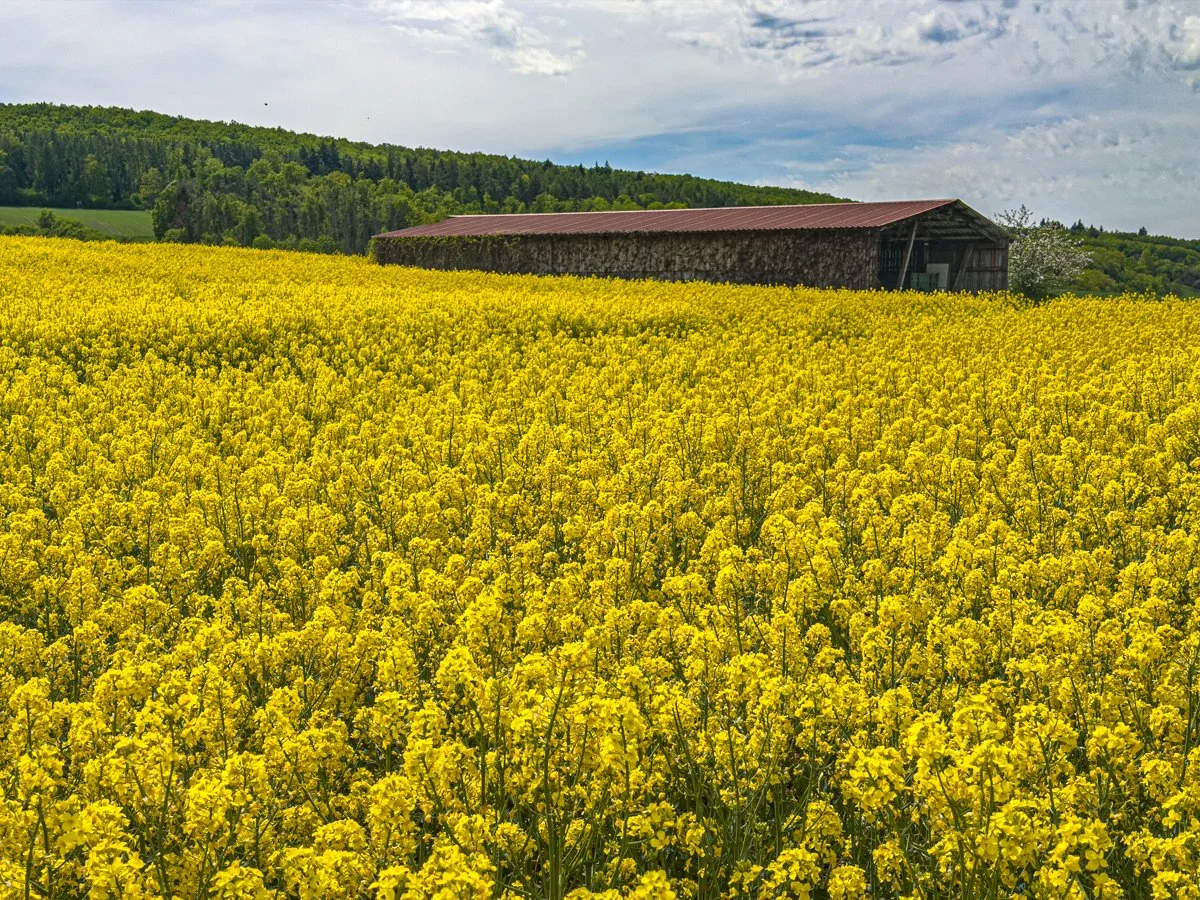
We found ourselves winding through the countryside, surrounded by endless fields of bright yellow canola. It’s one of those scenes that doesn’t quite translate into photos—you turn a corner and it just hits you. Yellow paddocks stretching to the horizon, broken up by small villages and rolling hills.
Peaceful. Quiet. Beautiful.
🏰 Chasing Castles – Eltz Castle
We made our way to the tiny village of Wierschem, chasing one of Germany’s most iconic castles. From there, it’s about a 15-minute walk down through the forest—and then suddenly, there it is. A 12th-century castle tucked into the valley like something out of a storybook.
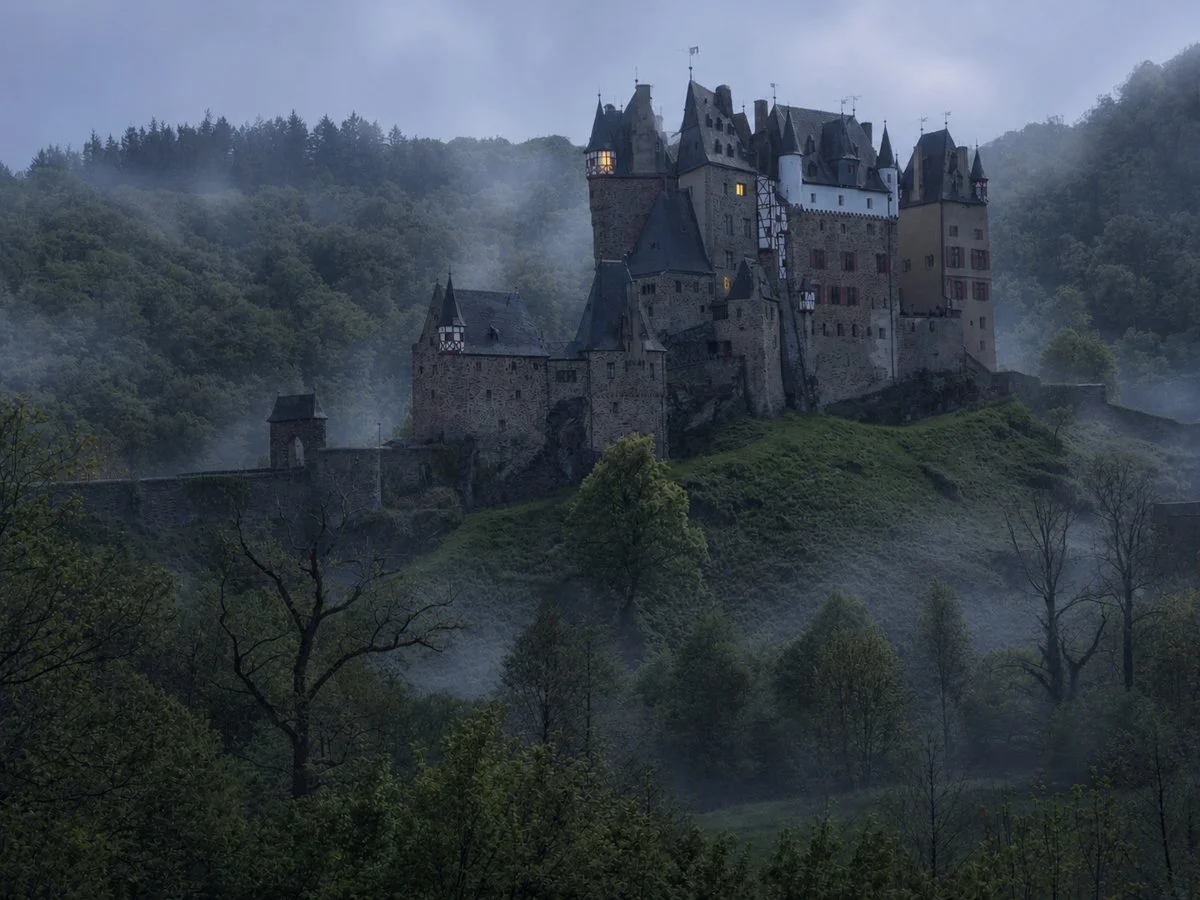
But being a public holiday… we weren’t alone, in fact, it felt like the entire country was walking in as we were walking out.
🍇 Along the Moselle River
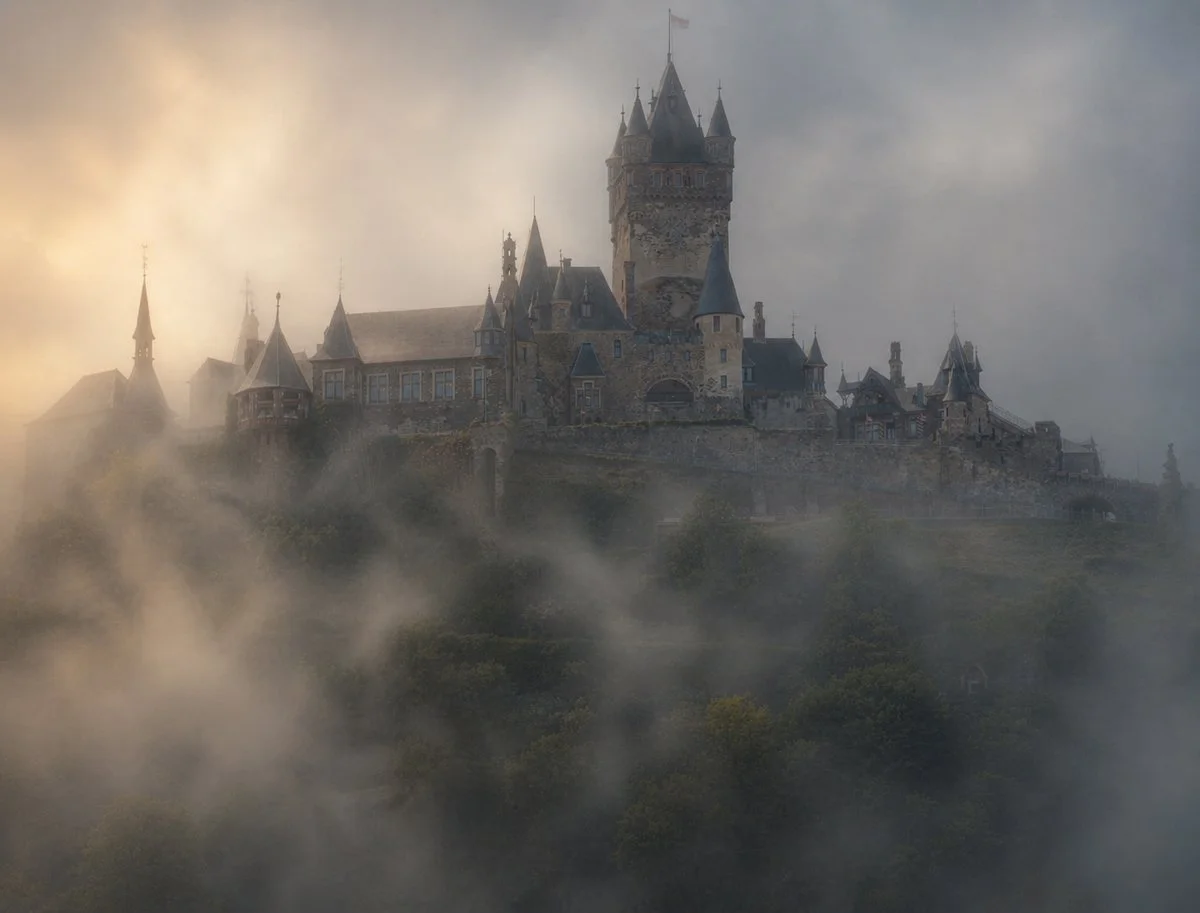
From there, we followed the river through the Moselle Valley—vineyards climbing the hillsides, villages hugging the water’s edge.It should have been idyllic and it was… in glimpses.
But the reality of a long weekend hit hard. Every village was packed, parking? forget it. Caravan parks were overflowing, pushbikes everywhere, and even river cruises were docked with tourists spilling out.
So we did what you sometimes have to do when travelling—we kept moving. Up into the hills, away from the crowds and back into open space.
🍺 A Pause in Bamberg
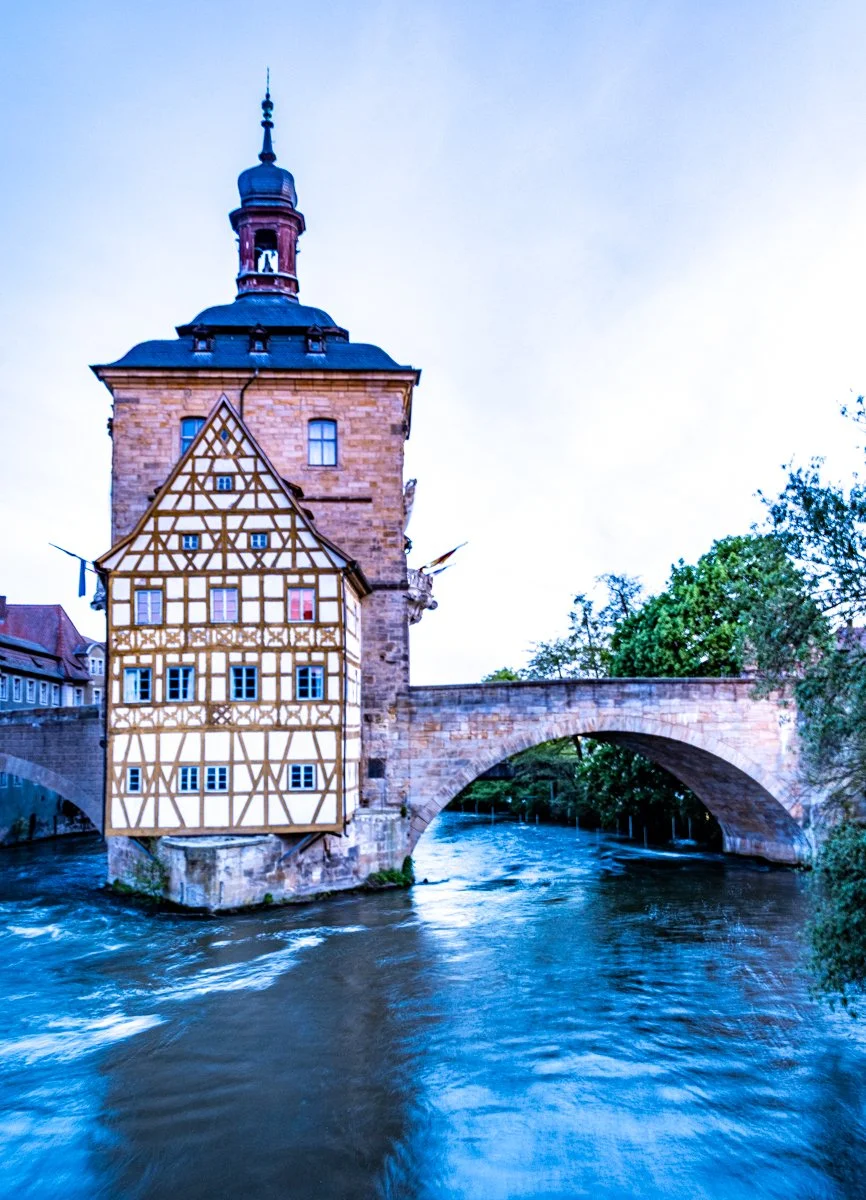
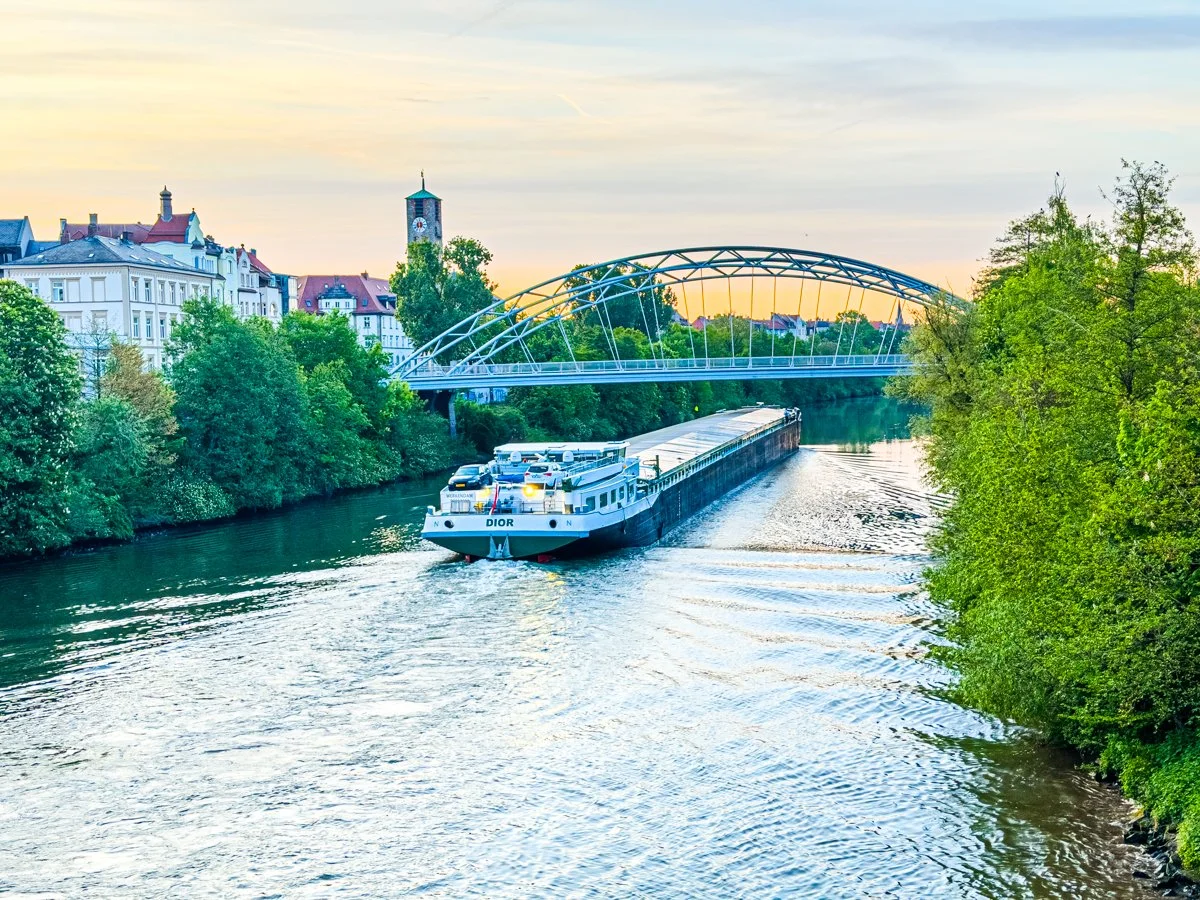
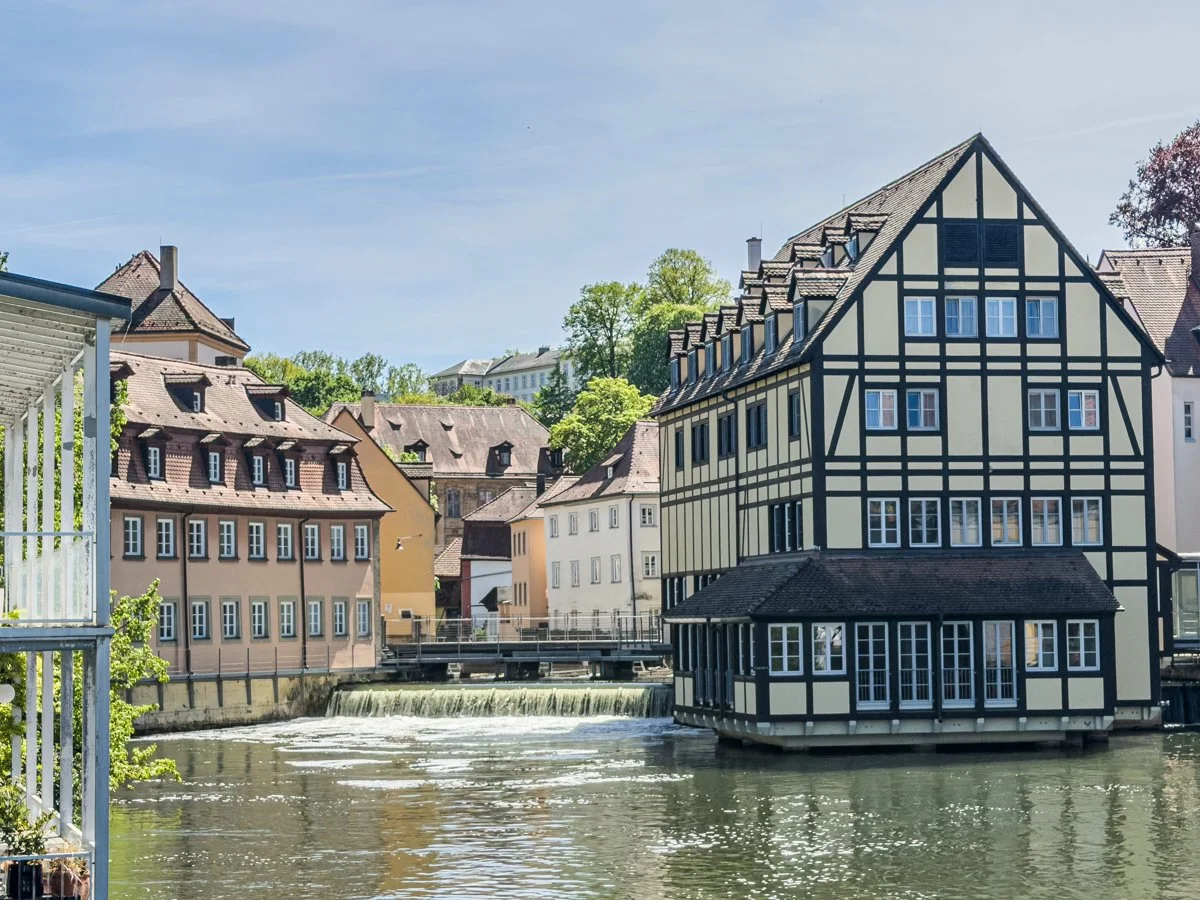
Bamberg was a welcome change of pace.
Historic, relaxed, and full of character—it’s the kind of place you wander rather than rush. Old buildings, riverside views, and just enough life without feeling overwhelmed.
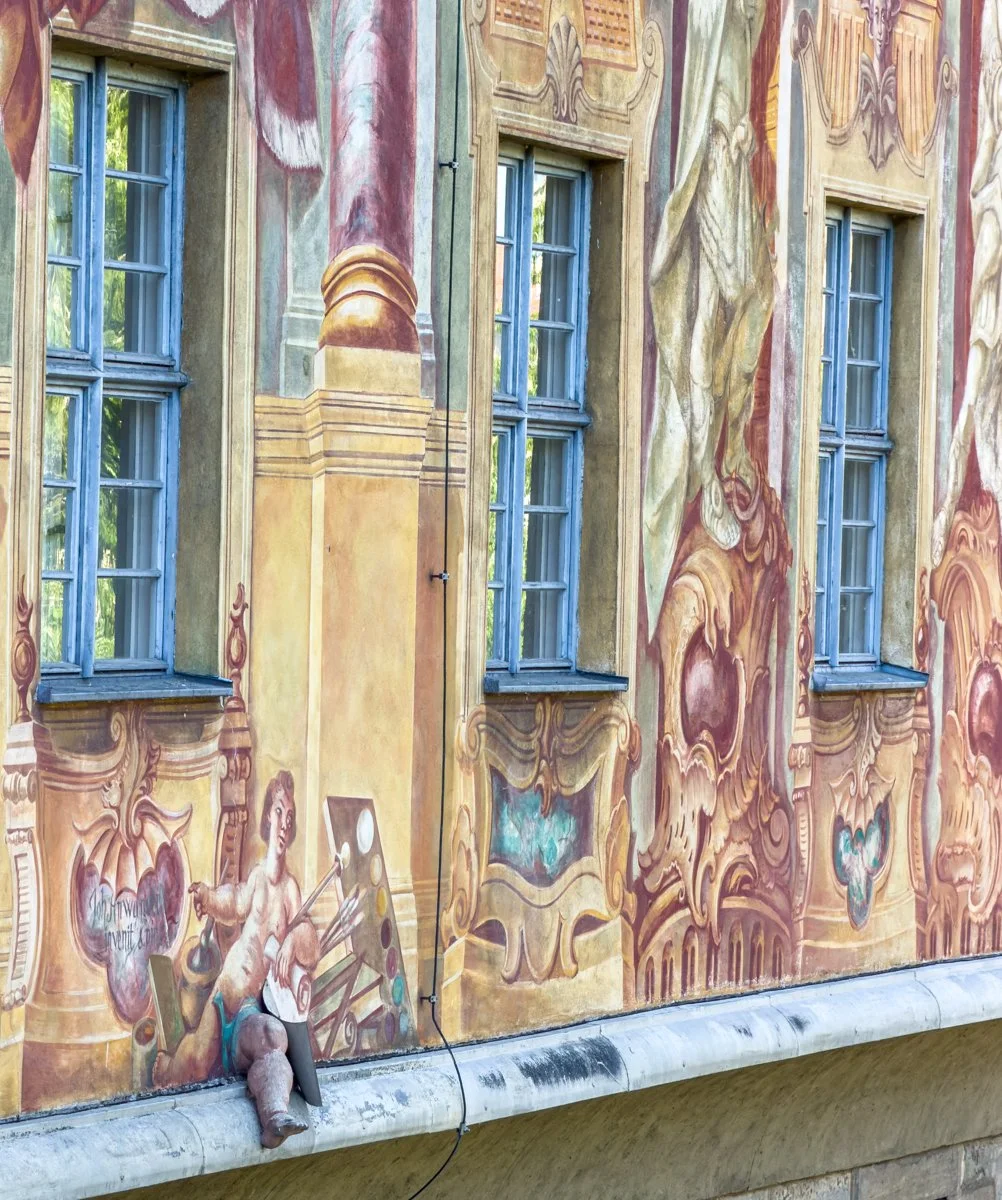
Artwork on the side of the building above look closely at the leg at the bottom.
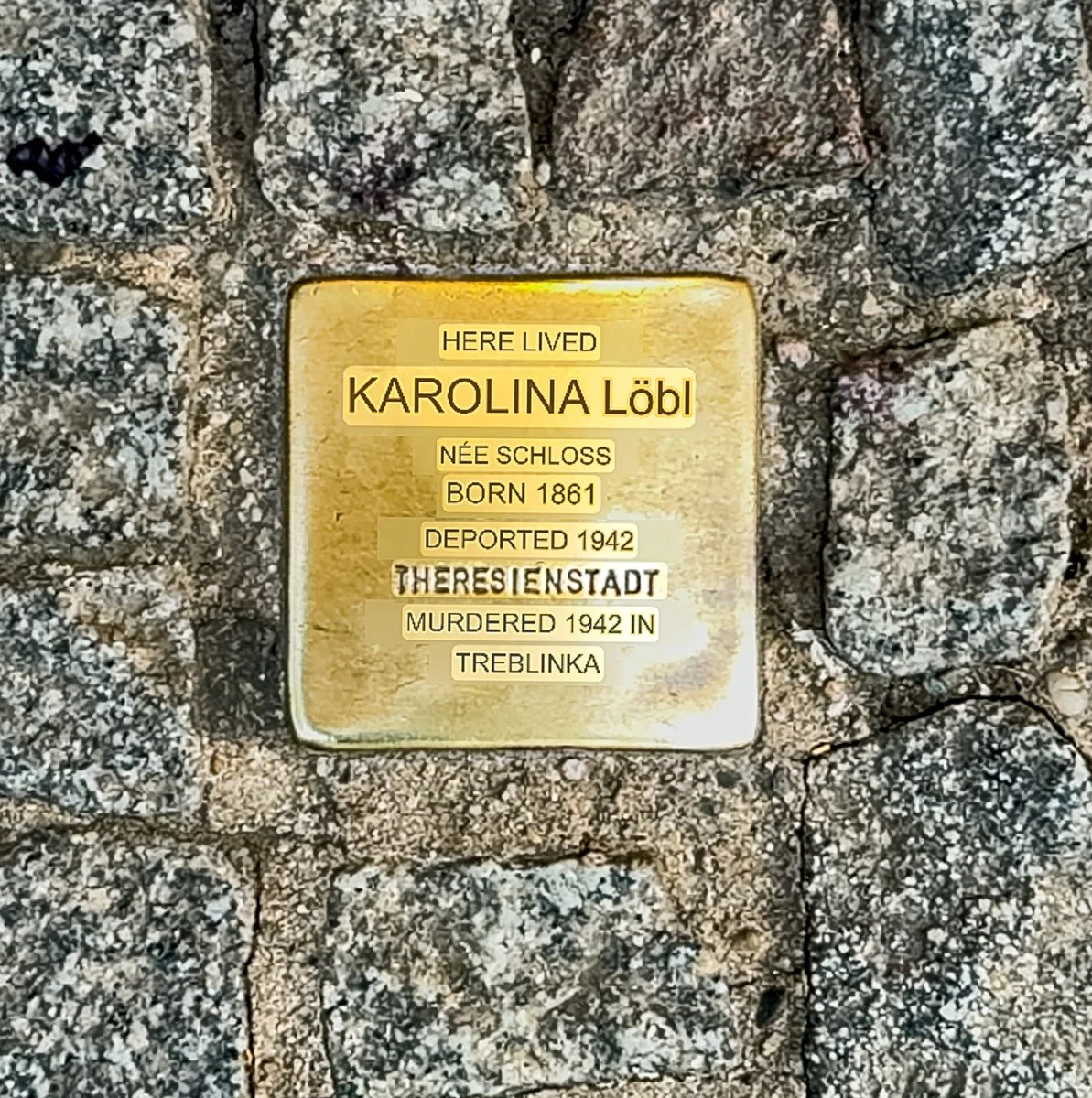
On the footpath in front of some houses are these little plaques in the sidewalk. We have translated this one, only a small indication of what happened during WWII. https://encyclopedia.ushmm.org/content/en/gallery/treblinka-maps
🏘️ Small Town Germany & Storks
From Bamberg, we stopped in the small town of Hochstadt—and discovered something completely unexpected. Storks!
Not just one or two—but nesting platforms built on rooftops, poles, chimneys—anything high. It’s clearly part of a town’s identity, within this region and you start noticing it everywhere once you see the first one.
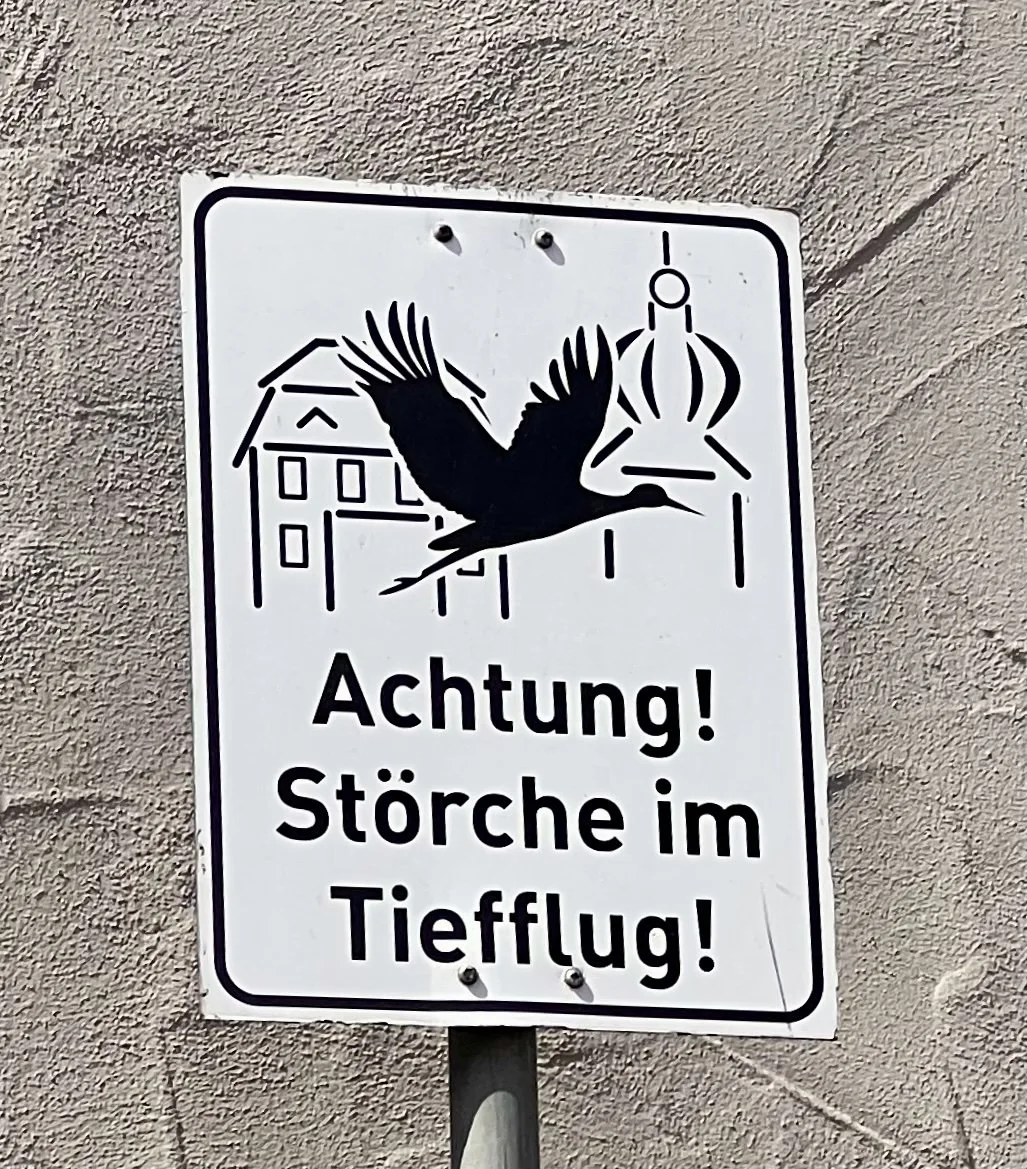
Caution: Storks flying low
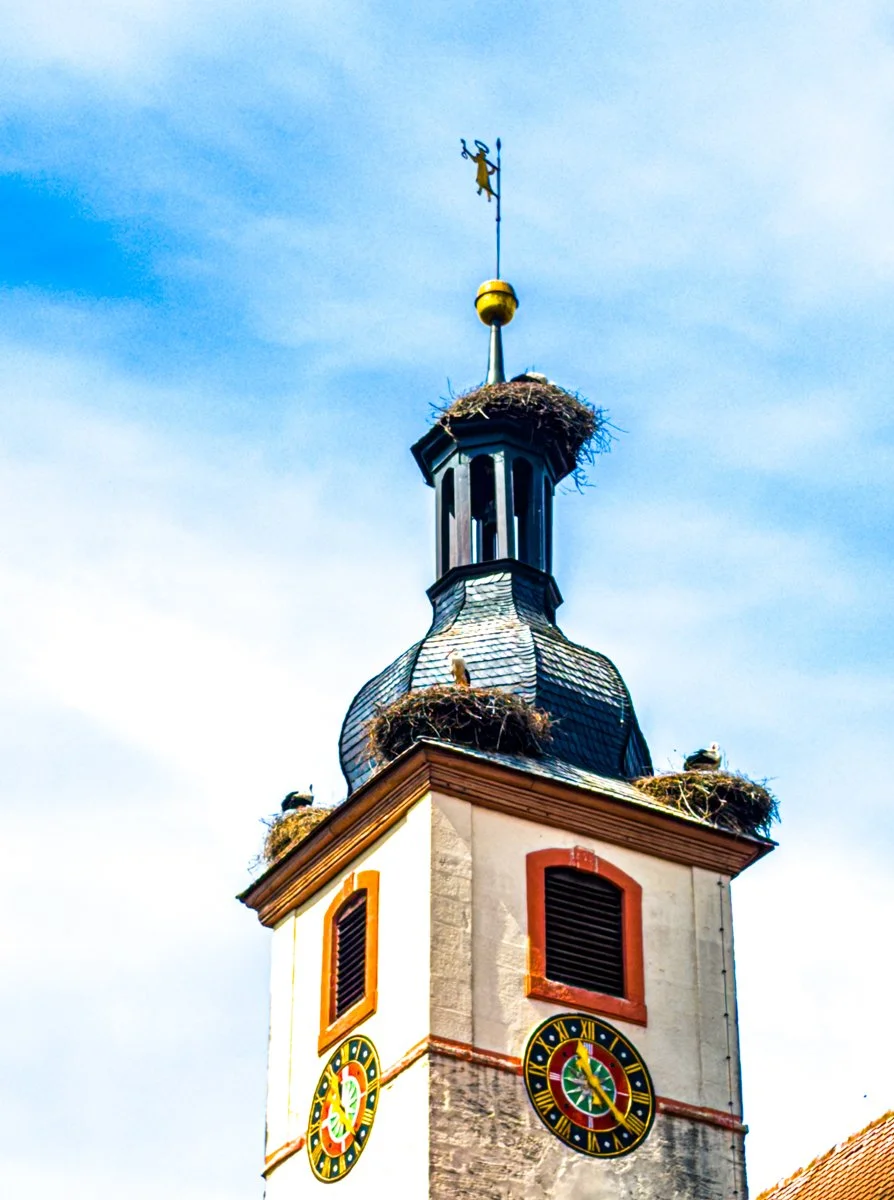
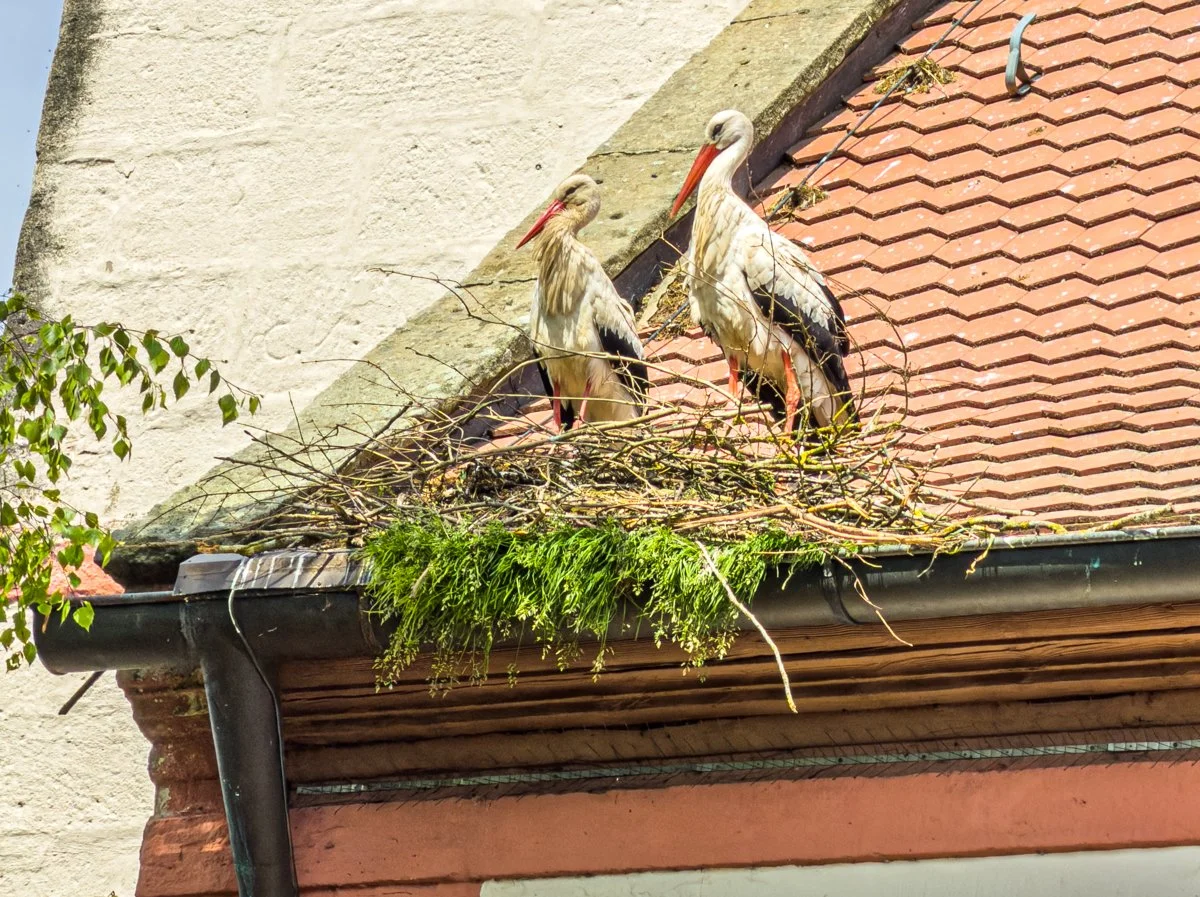
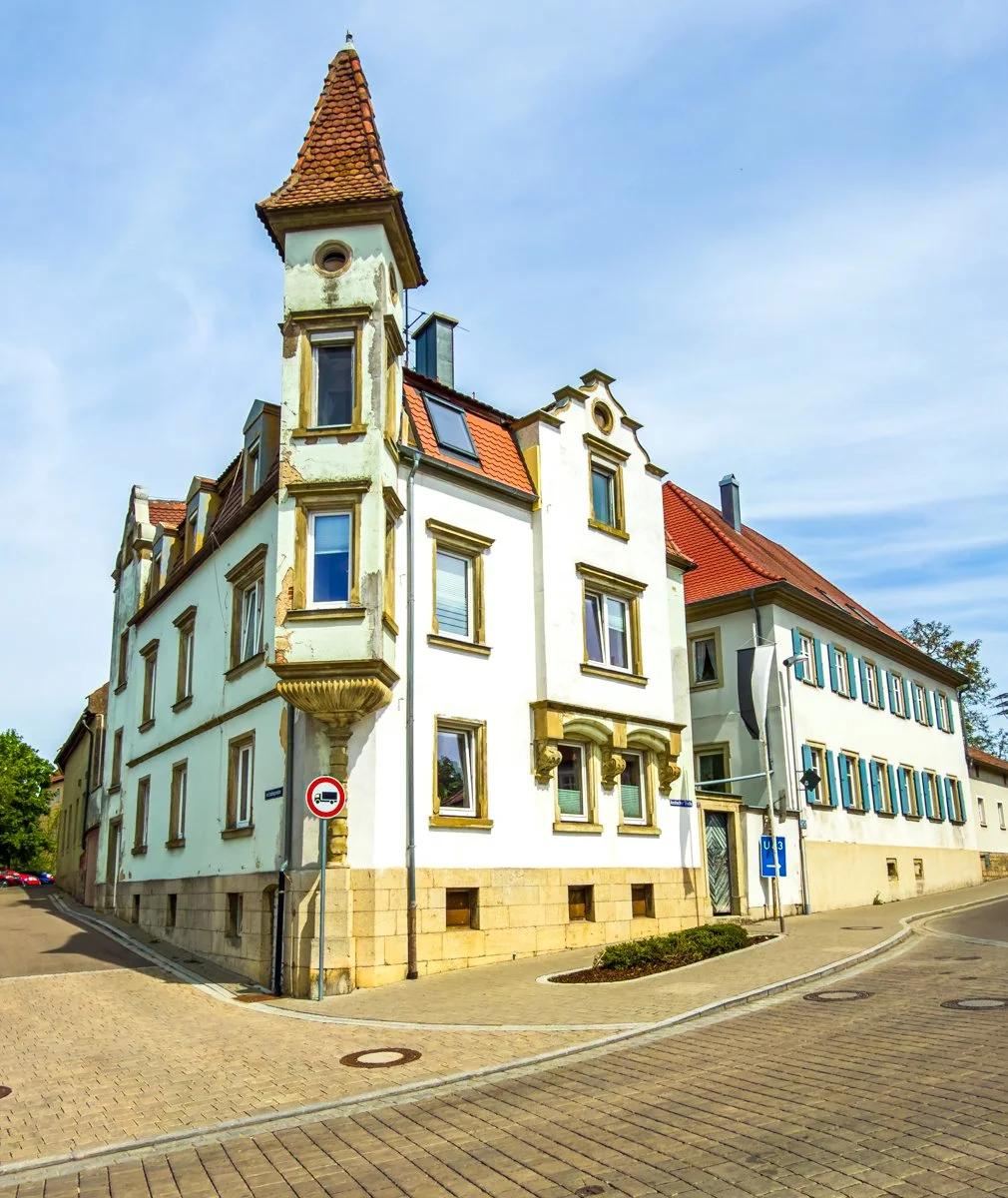
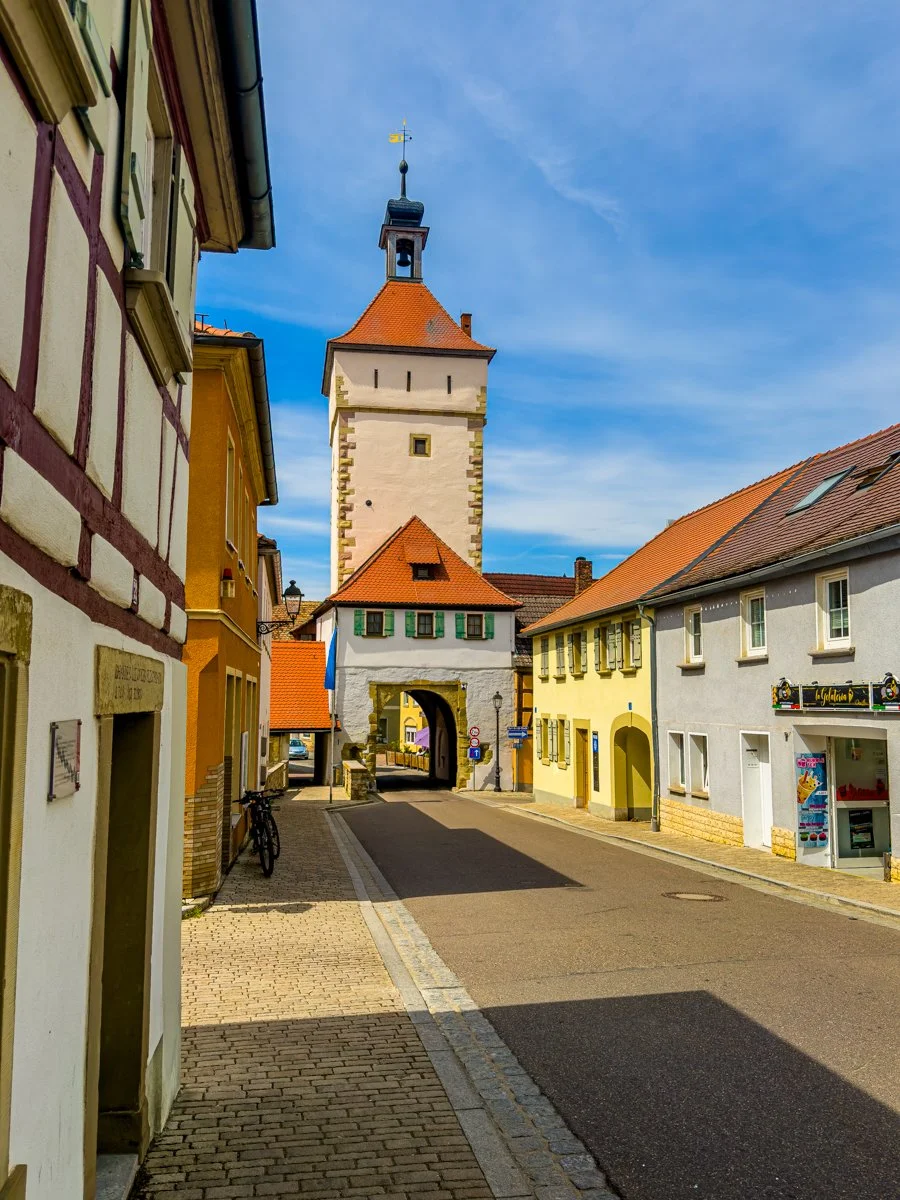
These towns feel incredibly self-contained, built to serve their own communities, with a strong sense of identity and continuity. There’s a very “German” feel to them—orderly, proud, and quietly enduring.
🏰 The Crowds of Rothenburg ob der Tauber
Then came Rothenburg, and this place… is something else.
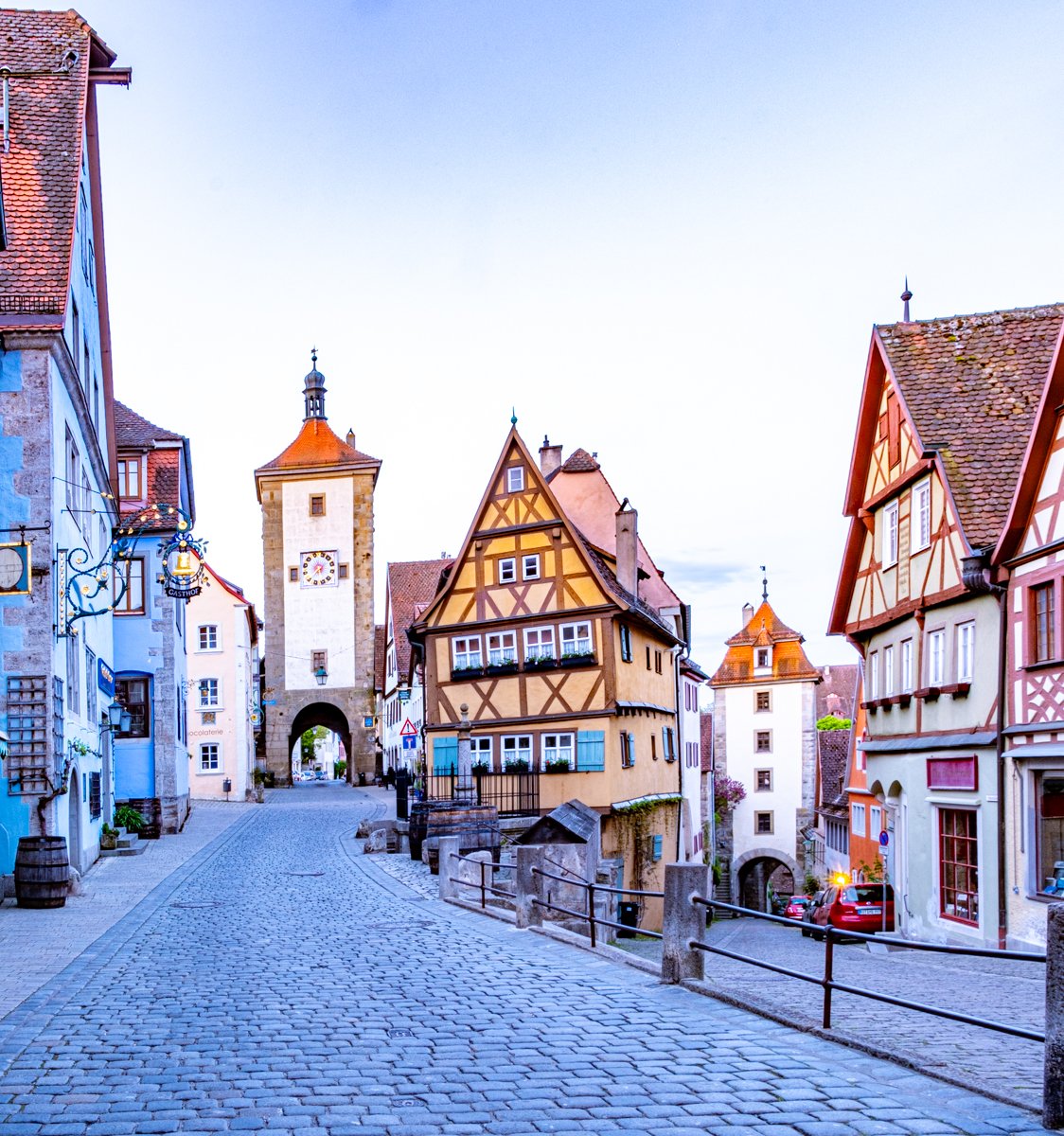
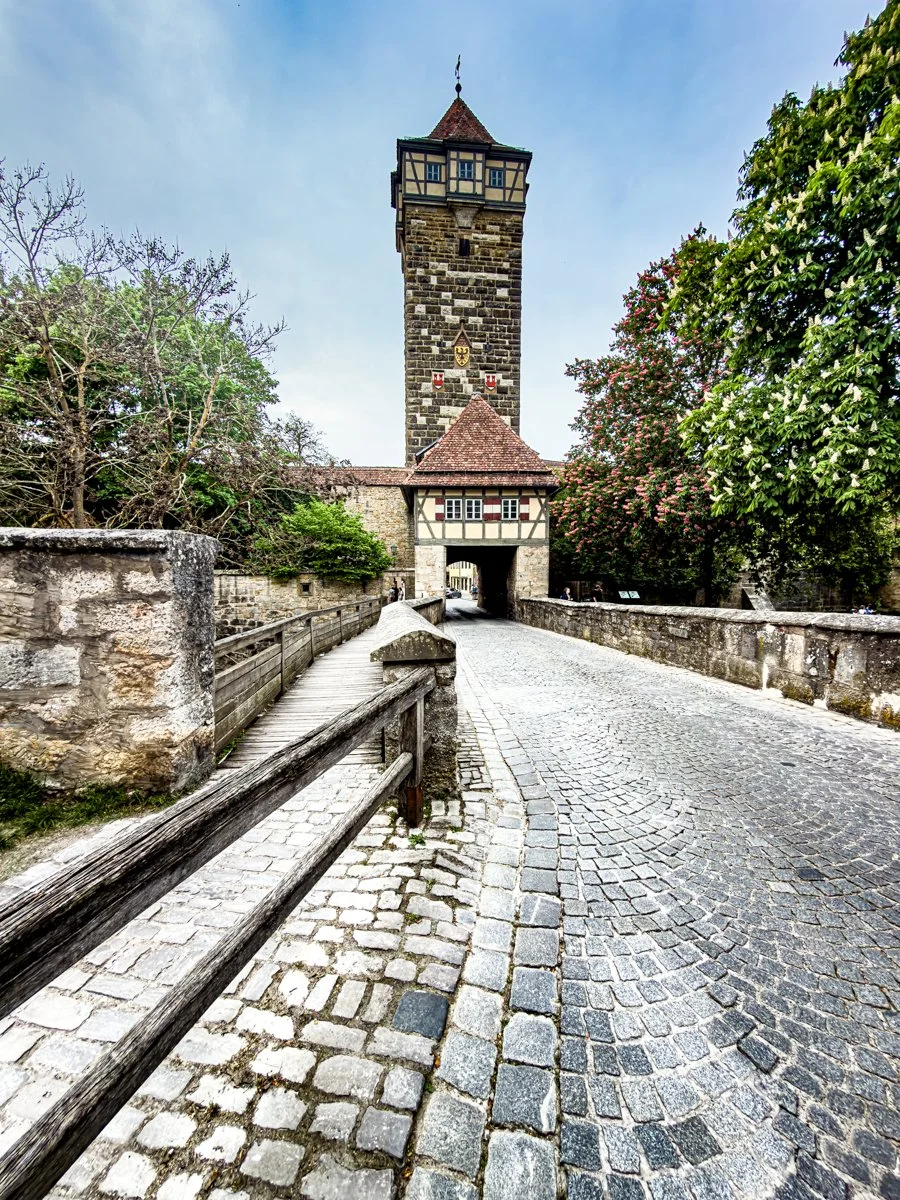
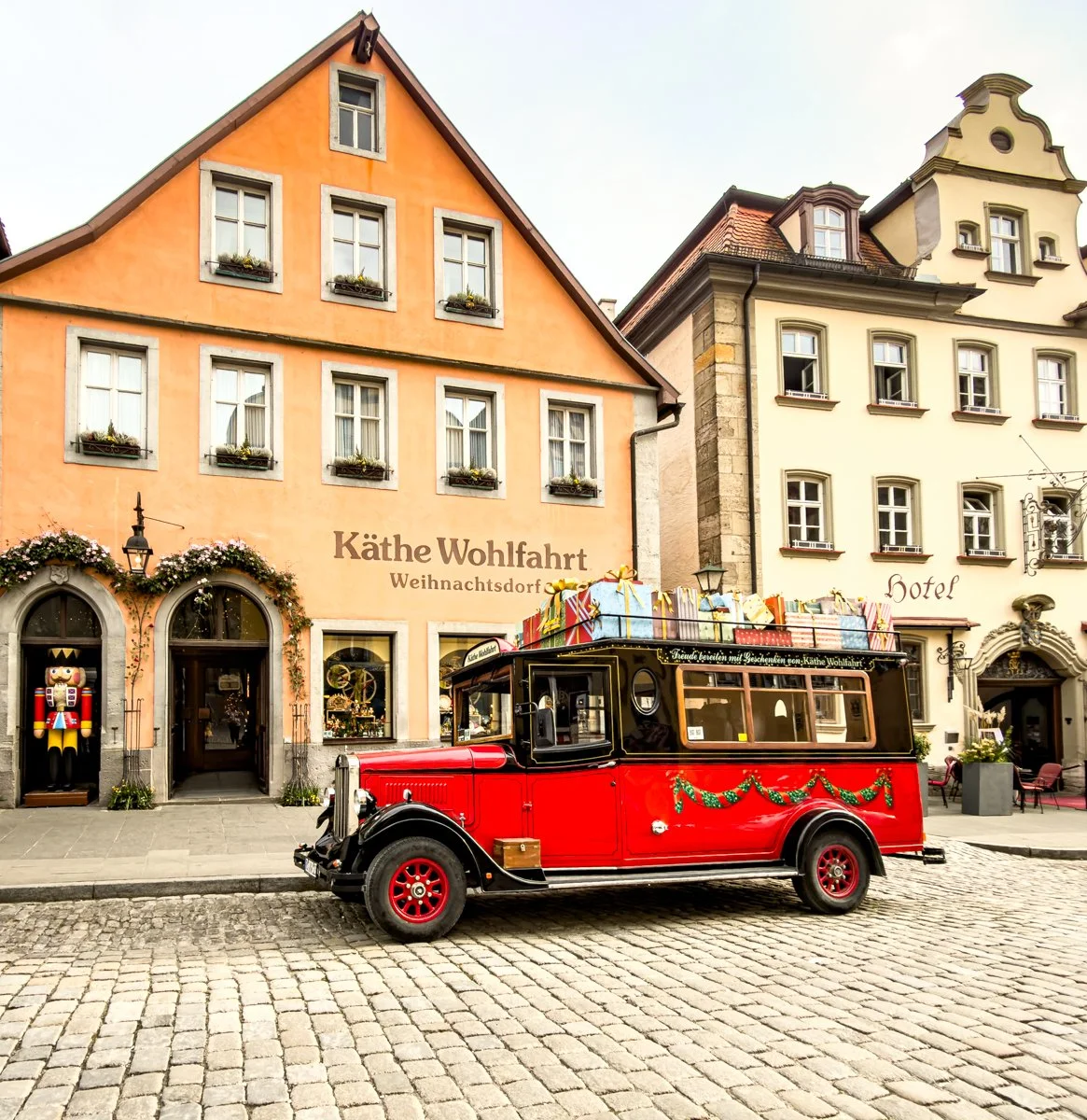
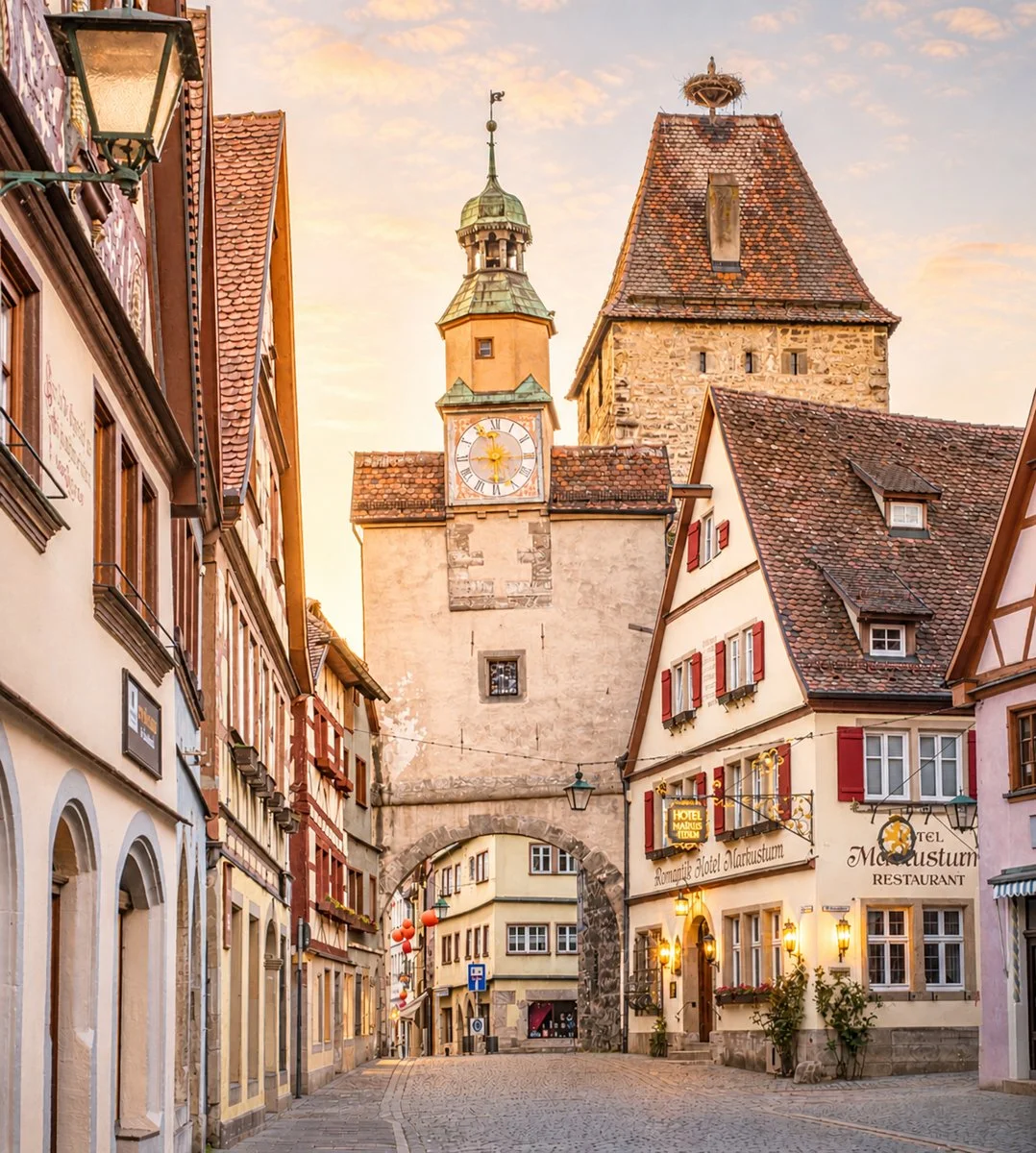
A perfectly preserved medieval town—half-timbered houses, cobblestone streets, towers, gates, and walls you can walk along. It’s like stepping straight into another time.
But here’s the thing—It’s one of those places you have to see… but you also have to share. So that means you and about 1,999,999 other people. So another early morning rise for us to get a clear shot.
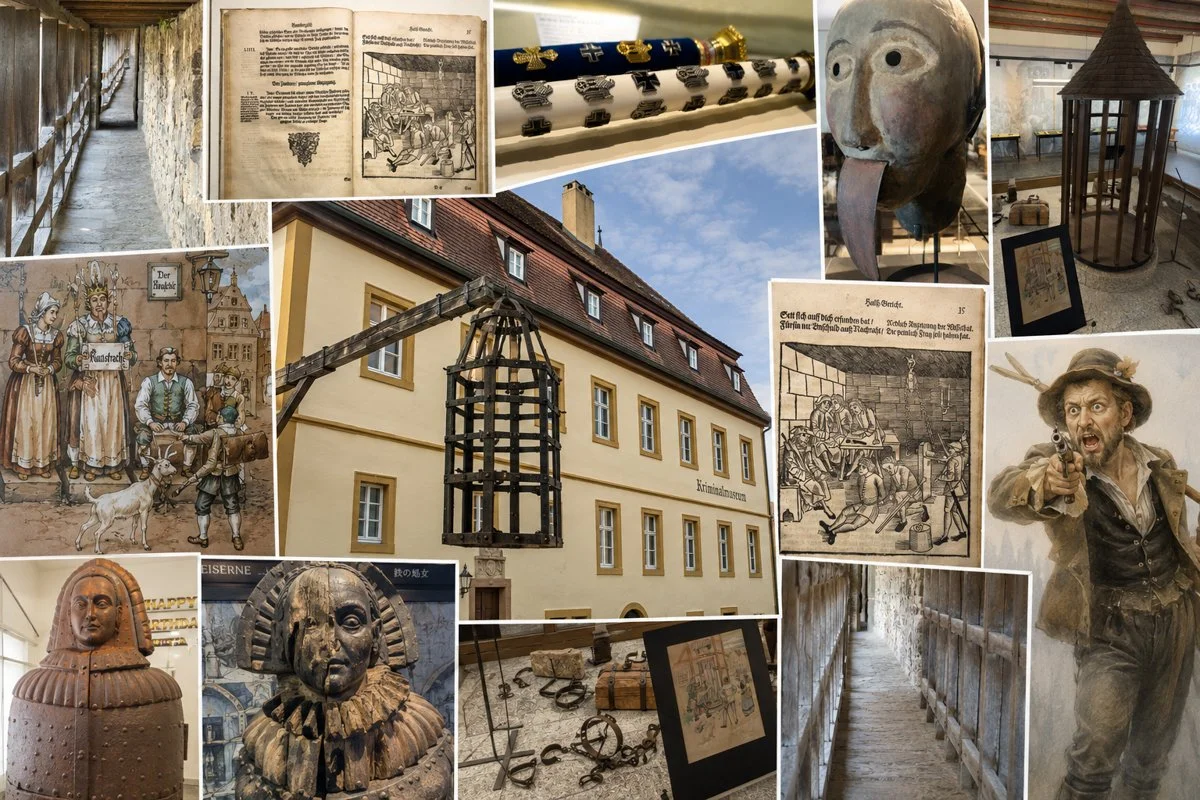
⚖️ Medieval Justice… with a Sense of Humour
We also took a stroll through the Medieval Crime and Justice Museum, which was a real step back in time. Some of the displays definitely make you appreciate modern life, although I have to admit—not all of it seemed entirely unreasonable. A few of the old “discipline techniques” and public shaming’s might still have their place… depending on who you ask!
It’s one of those quirky, slightly confronting experiences that adds another layer to the town—reminding you that behind all the charm and beauty, medieval life wasn’t quite as romantic as the buildings suggest.
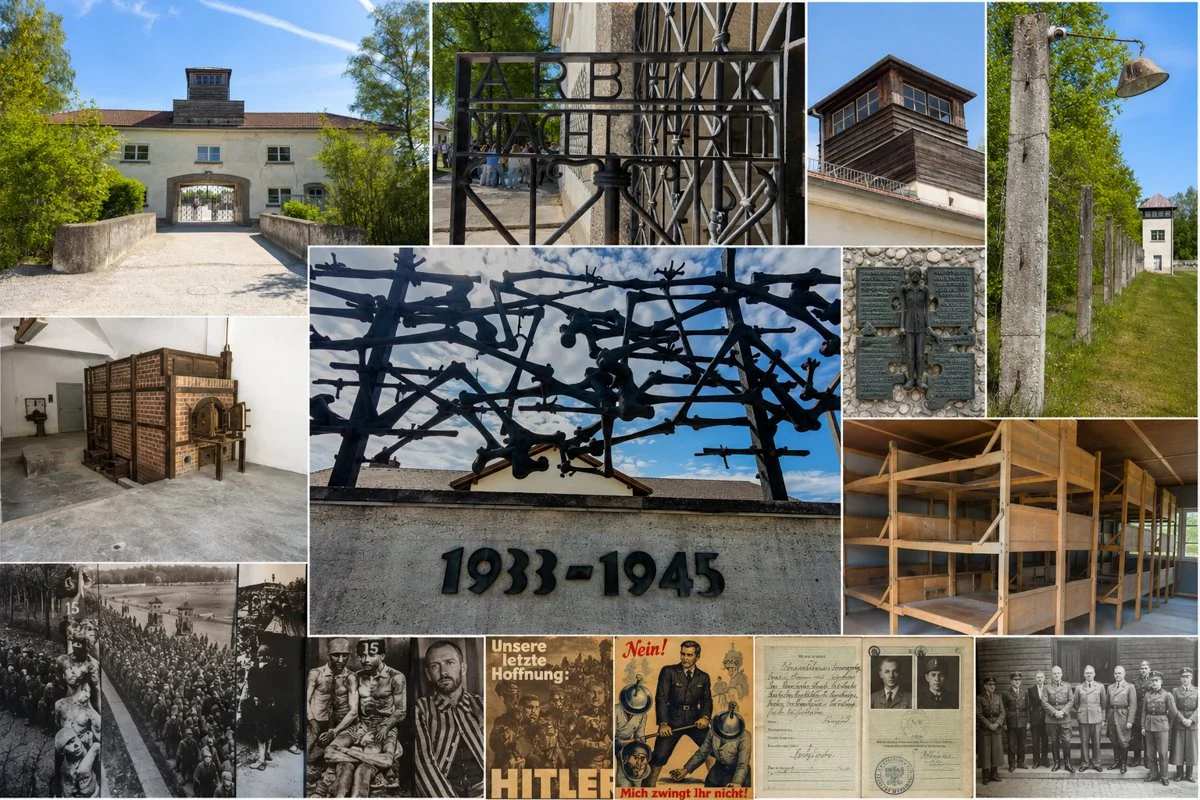
🕊️ Dachau – A Difficult but Important Visit
While travelling through Germany, we felt it was important to visit the Dachau Concentration Camp Memorial Site and gain a better understanding of what all the upheaval during WWII was really about. It’s one thing to read about history in books or watch documentaries, but standing in the actual place where these events occurred gives it a completely different perspective.
What struck us most wasn’t actually the camp itself at first — it was the number of school buses lined up outside the entrance. There must have been close to twenty buses already there when we arrived, all filled with students around Year 9 or Year 10 age. It was obvious that visiting the camp forms an important part of the German school curriculum, ensuring younger generations understand what happened, why it happened, and the devastating consequences that followed.
In many ways, the visit became less about discovering something new and more about reinforcing what we already knew from history. The exhibits, photographs, buildings and memorials all helped connect the facts we had learned over the years to a real place with real human stories behind it. It was confronting at times, but also respectful and educational.
The atmosphere throughout the memorial site was quiet and reflective. Despite the large number of visitors, including hundreds of school students, there was a strong sense that people understood the significance of where they were. It’s certainly not what you would call an enjoyable tourist stop, but it is an important one — a reminder of what can happen when hatred, fear and propaganda are allowed to grow unchecked.
By the time we left, we were glad we had gone. Not because it was pleasant, but because some places in history should never be forgotten.
🏔️ Mittenwald – Our Final Stop in Germany
Our final stop in Germany brought us to the delightful little town of Mittenwald, and what a beautiful place to finish this part of the journey.
Mittenwald is exactly how you imagine a traditional Bavarian village should look. Nearly every building seems to have colourful fresco paintings covering the walls, with scenes ranging from religious artwork to village life and fairy-tale style decorations. Walking through the streets almost feels like strolling through an outdoor art gallery where every corner has something different to admire.
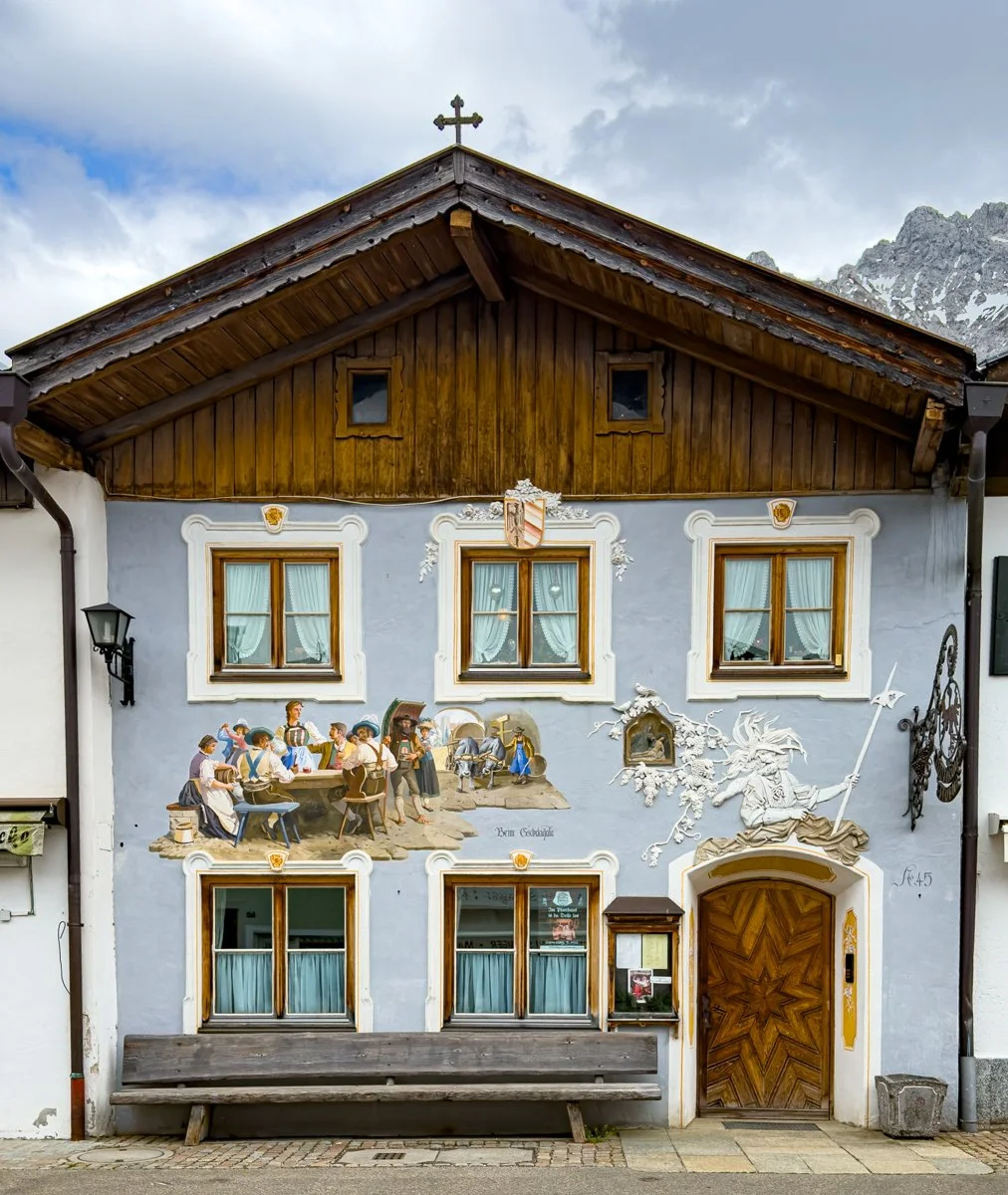
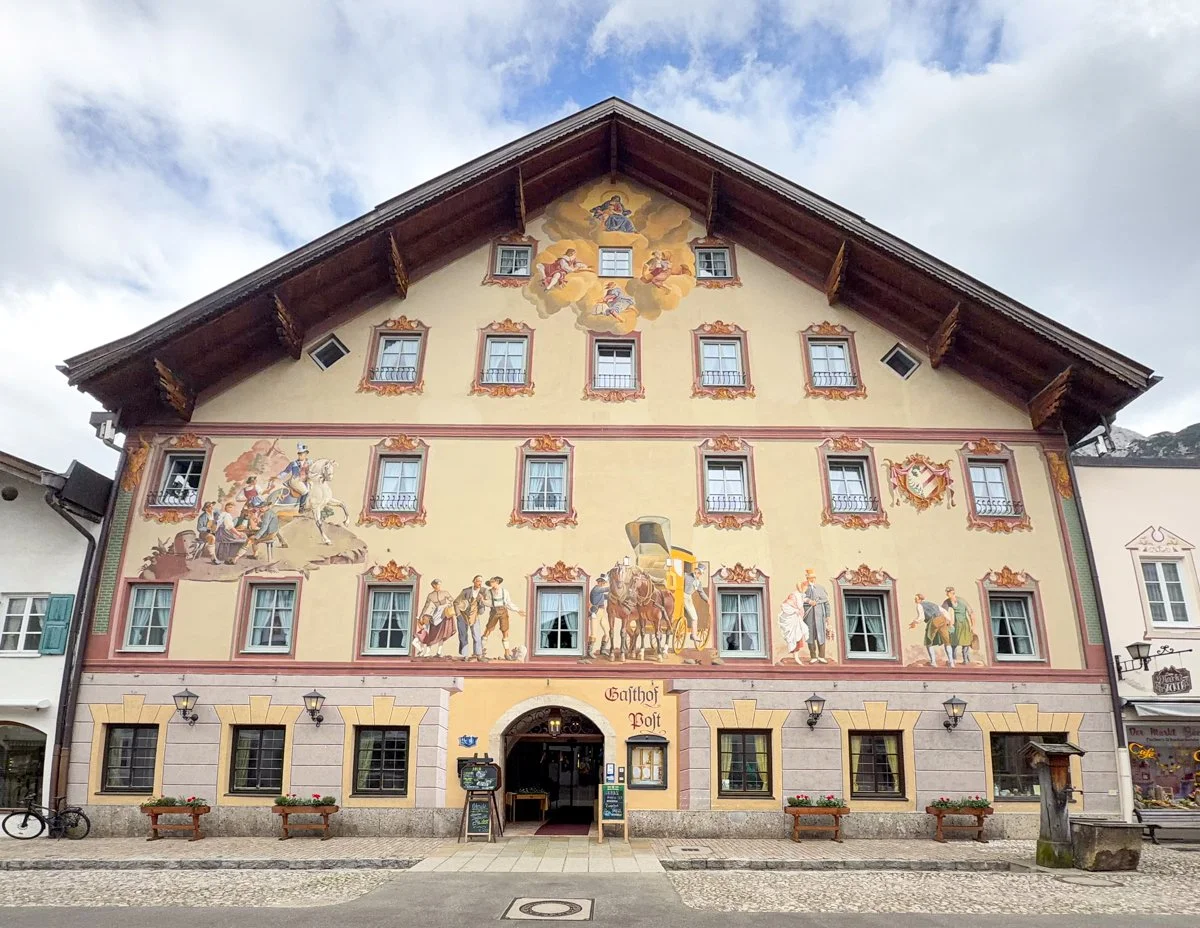
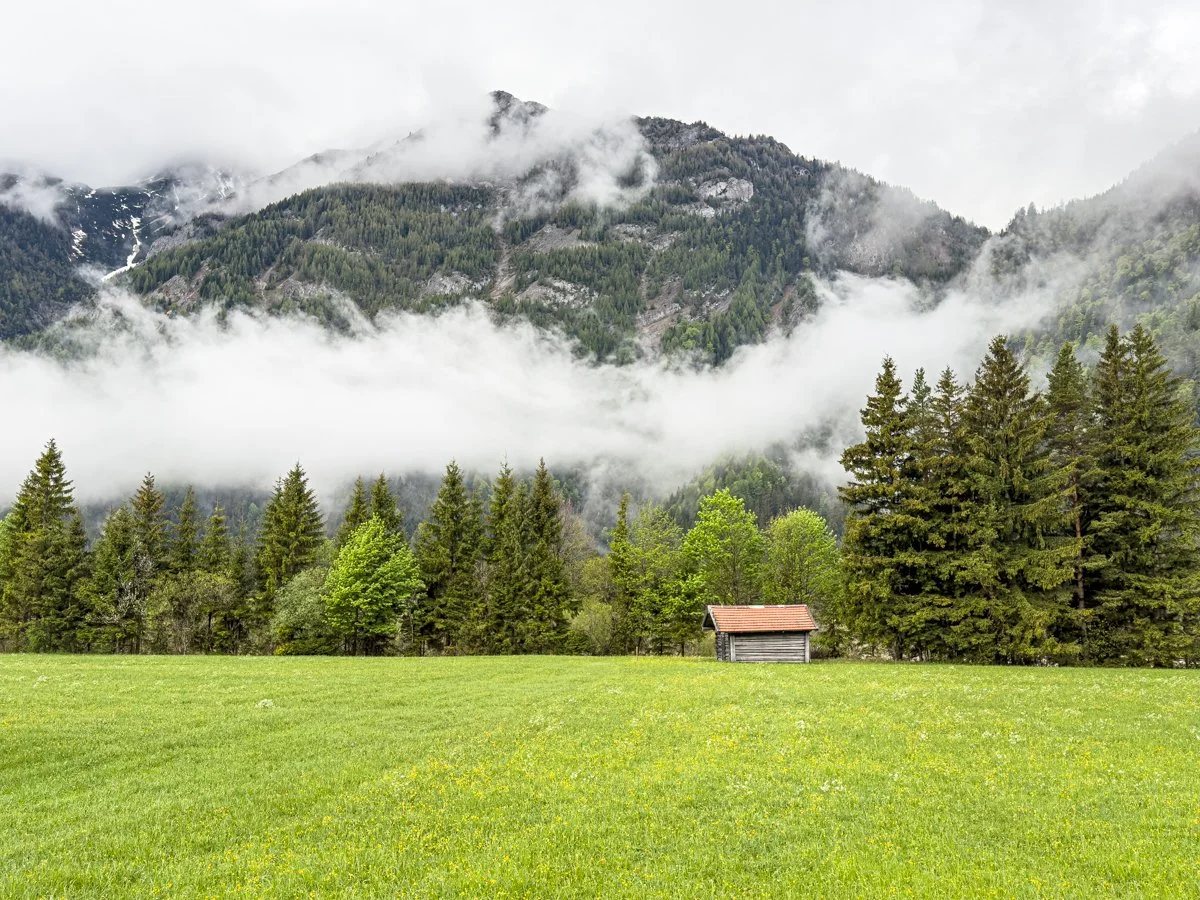
What really makes the town special though is the backdrop. Towering mountains rise dramatically behind the village, making even an ordinary walk to the bakery feel postcard-worthy. Everywhere you look there are flower boxes overflowing from balconies, little cafés tucked into laneways, and those classic Bavarian buildings with timber details and painted facades that somehow make the whole town feel warm and welcoming.
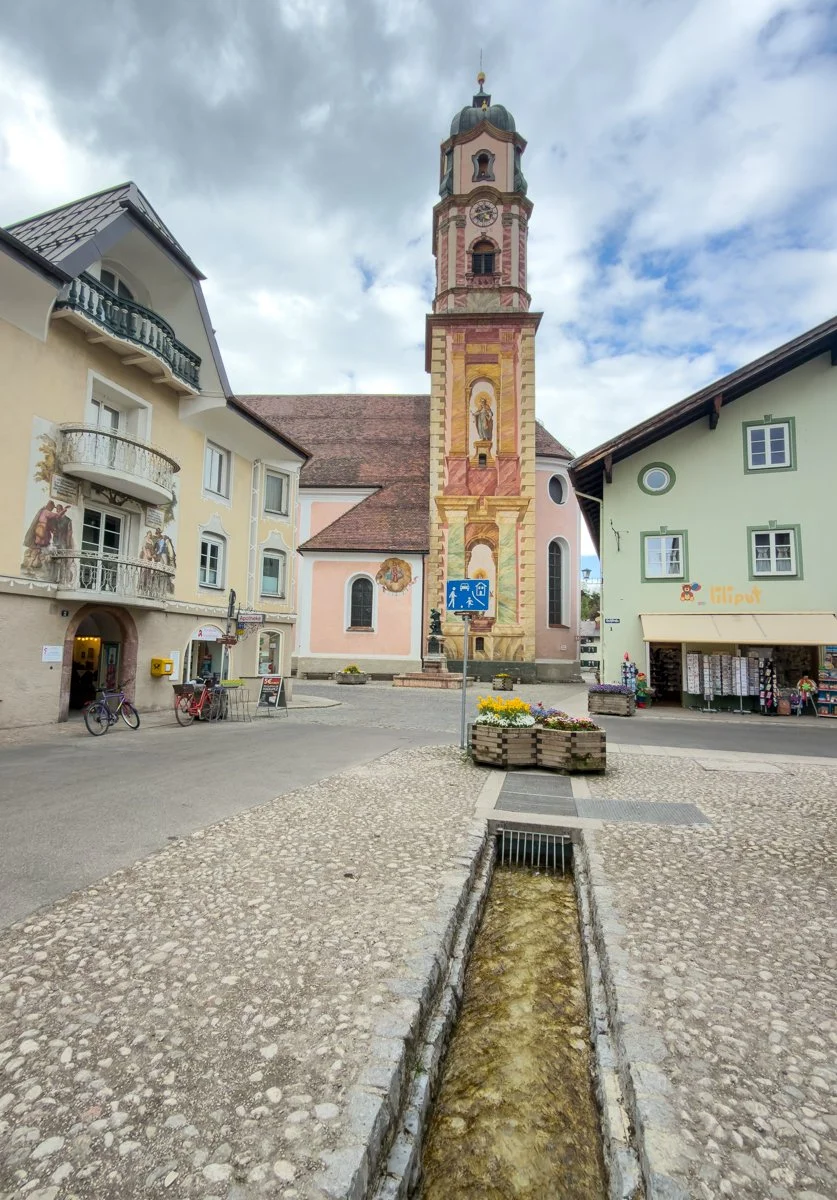
By the end of the day, Mittenwald felt like the perfect farewell to Germany. A small village full of character, surrounded by incredible scenery, and a reminder that sometimes the smaller towns end up becoming the places you remember the most.
✍️ Final Thoughts
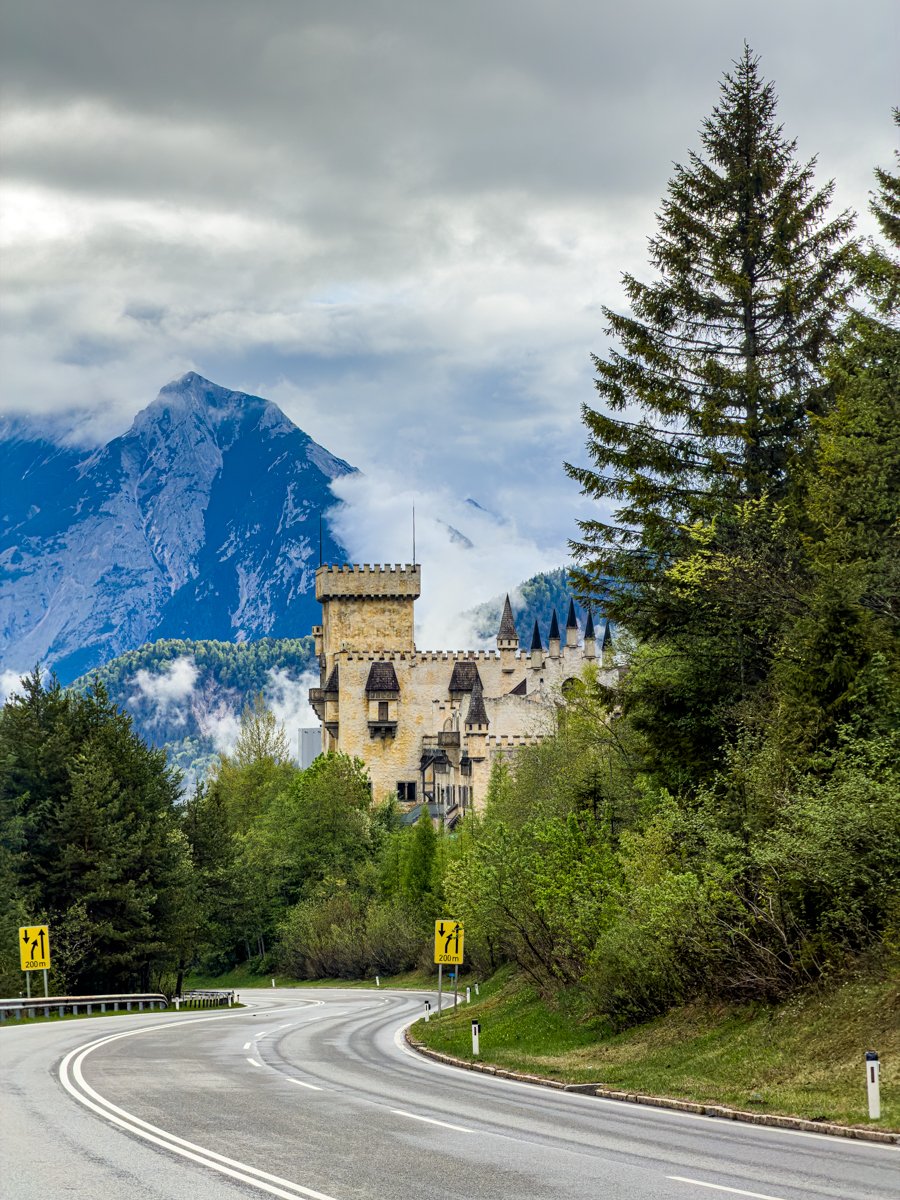
Germany wasn’t really on our list to visit, it sort of got in the way of us moving in between countries, but we thought whilst we are here lets see what it has to offer and are we glad we did. It has been a bit of everything—structured yet chaotic, peaceful yet crowded, historic yet very much alive.
We’ve learned that sometimes the best moments aren’t where everyone else is going—they’re in the quiet detours, the unexpected stops, and the roads that weren’t part of the plan.
And if there’s one takeaway so far—Get off the autobahn.
© Michelle Brown 2026. All photographs and content on this blog are the property of the author and are protected by copyright laws. Unauthorised use, reproduction, or distribution is prohibited without prior written permission.