ICELAND 2026
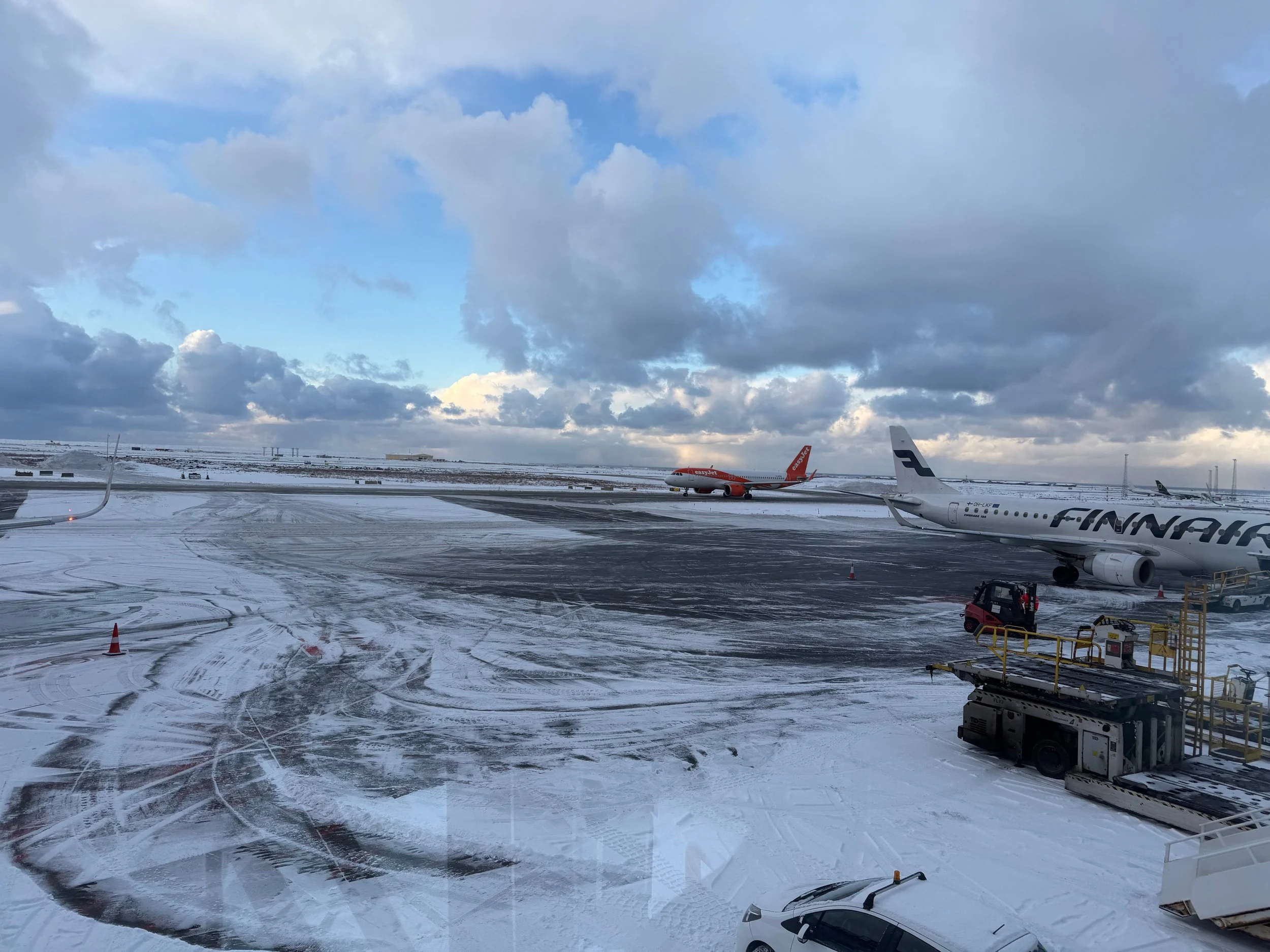
Snow, Wind and Heated Seats
Hi everyone, so our first proper stop on this big adventure was Iceland, and I can already tell you it didn’t start quietly. We flew from Luton Airport in London on easyJet, which is definitely what you would call a budget airline. When they say budget, they mean it. There’s no complimentary anything — no coffee, no tea, no water — so whatever you want you need to bring with you or buy it onboard.
Luckily the flight is only two and a half hours, so it’s manageable
Everything was going perfectly, we left on time and were about 20 minutes out from landing when the captain came on the speaker and said the airport at Keflavík International Airport had been closed due to a snowstorm and we would have to return to Luton.
You could hear the entire plane collectively groan.
Apparently several flights had already been diverted to Scotland, but because we still had the fuel the plan was to go all the way back to where we started. So naturally we started thinking through what that would mean for our trip — rearranging bookings, contacting travel insurance, and trying to work out how much of the itinerary we’d need to juggle.
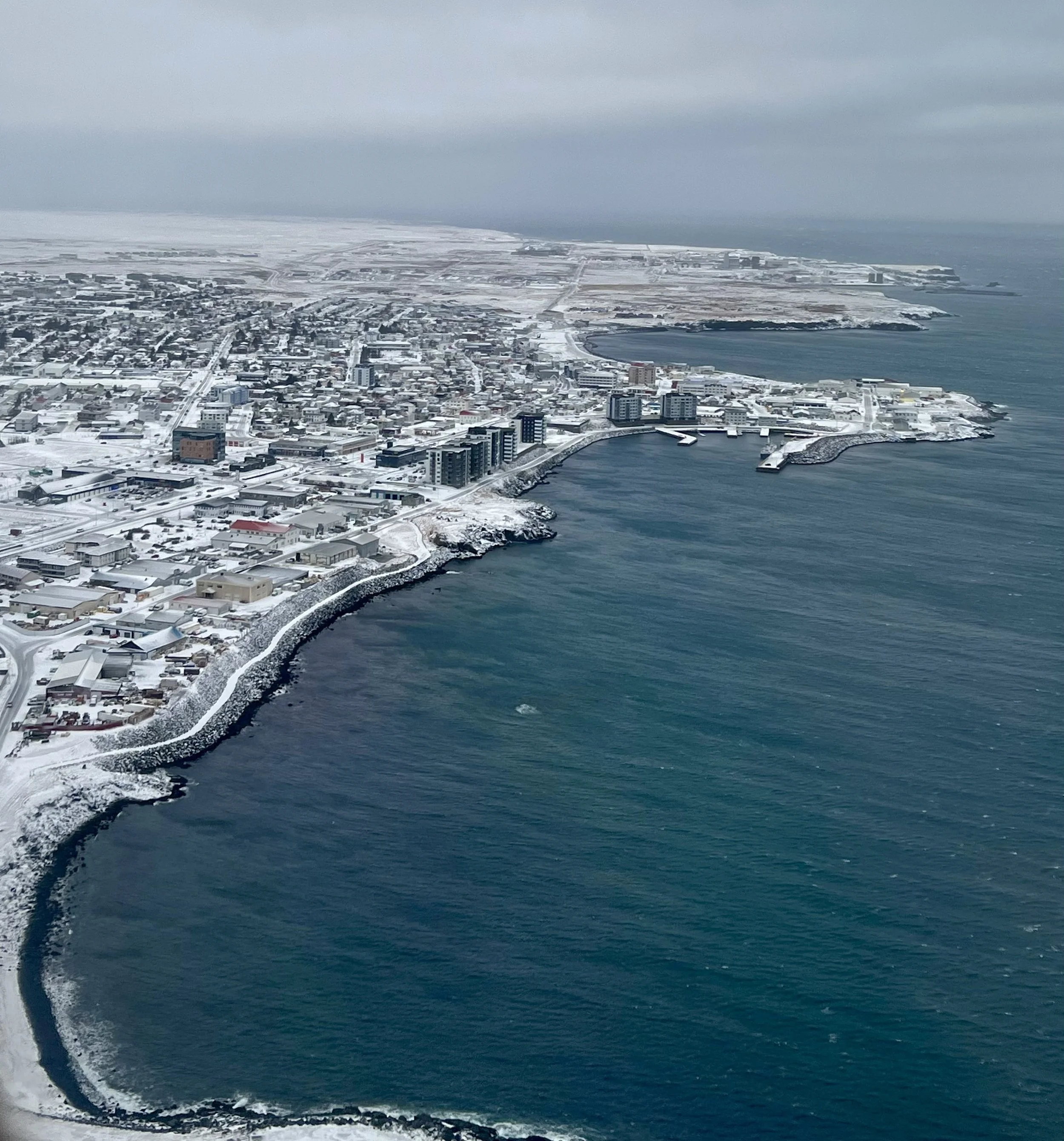
Then about twenty minutes later the captain came back on again.
“Good news,” he said. The snowstorm had passed and we were now cleared to land. He did add one small detail — there was snow on the runway and crosswinds of about 60 km/h — but reassured everyone they land in those conditions all the time.
Just as we were coming in, the plane suddenly climbed again and started circling. The aircraft behind us had called an emergency because it couldn’t de-ice its wings and needed the runway immediately. So around we went while they landed.
Eventually it was our turn again, and the pilot brought the plane down so smoothly the whole cabin started clapping when we touched down.
First Impressions of Iceland
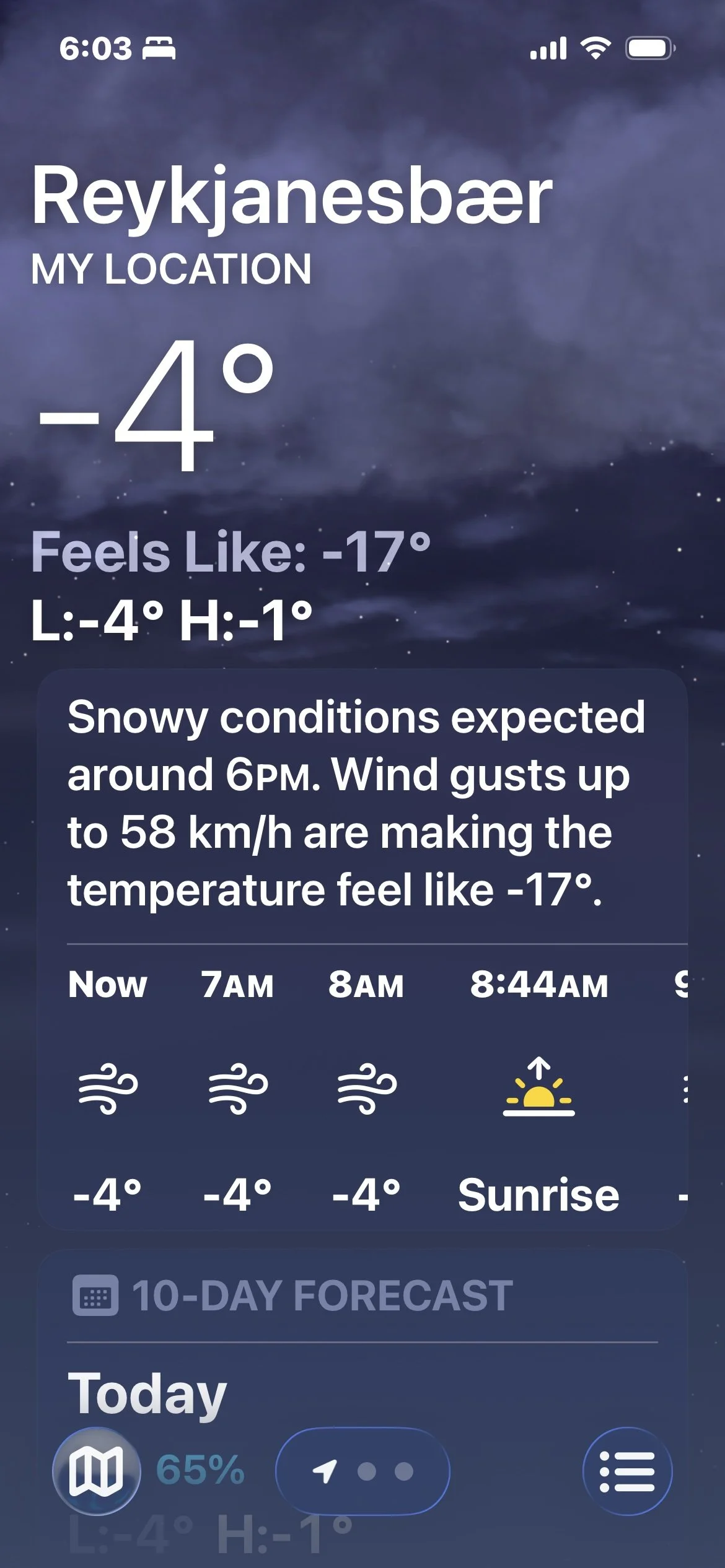
When we stepped outside the terminal the temperature was –4°C, but with the wind it felt closer to –17°C. And we had about a 400-metre walk to the car rental office through icy wind and flying snow, by the time we got into the car there was only one thought in my head: Thank goodness for heated seats!
Then came the next challenge. The steering wheel is on the other side of the car, and they drive on the other side of the road. Add snow, massive winds and low visibility and it becomes a bit of an adventure straight away. Digby was having flashbacks to our USA trip.
Welcome to Iceland.
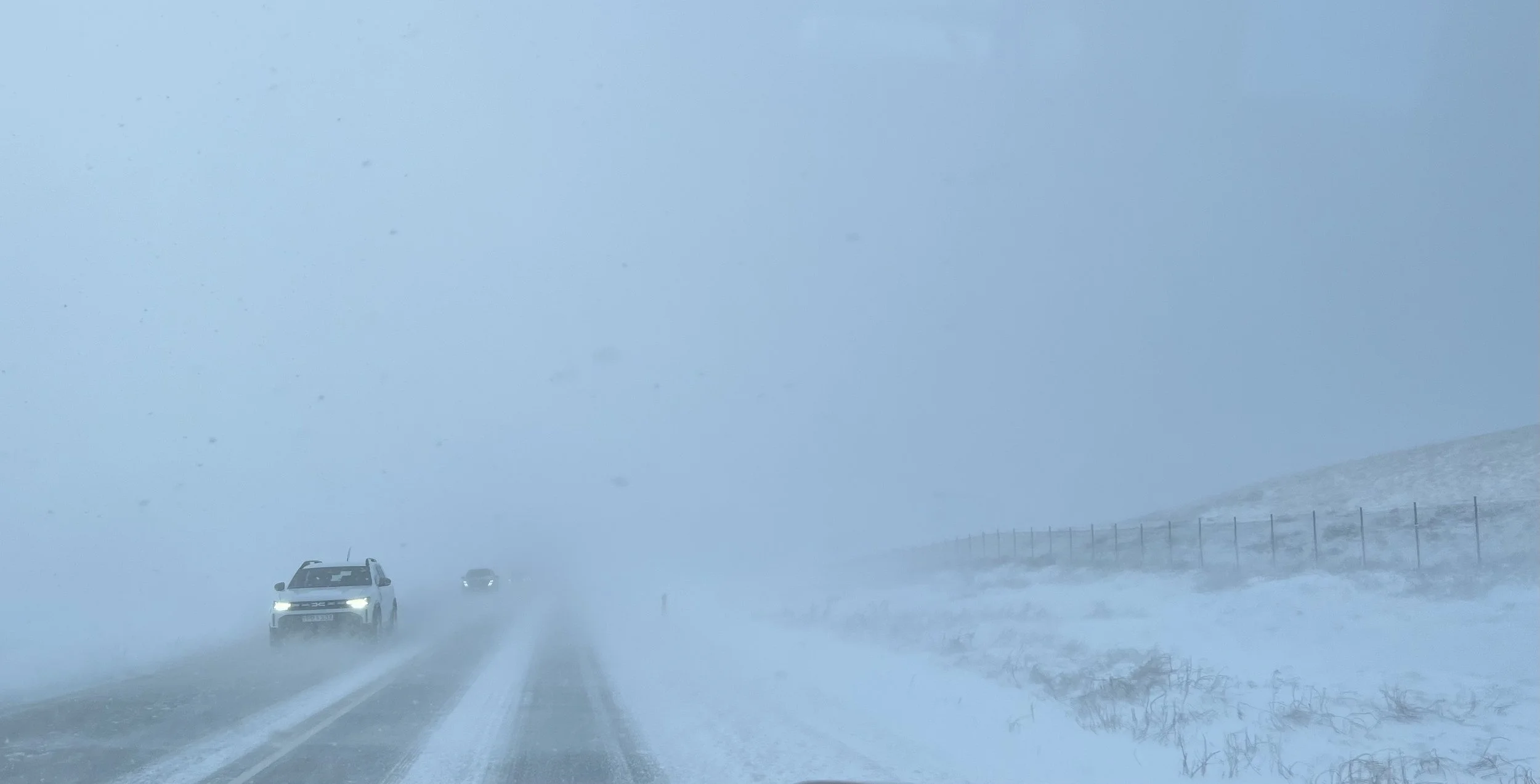
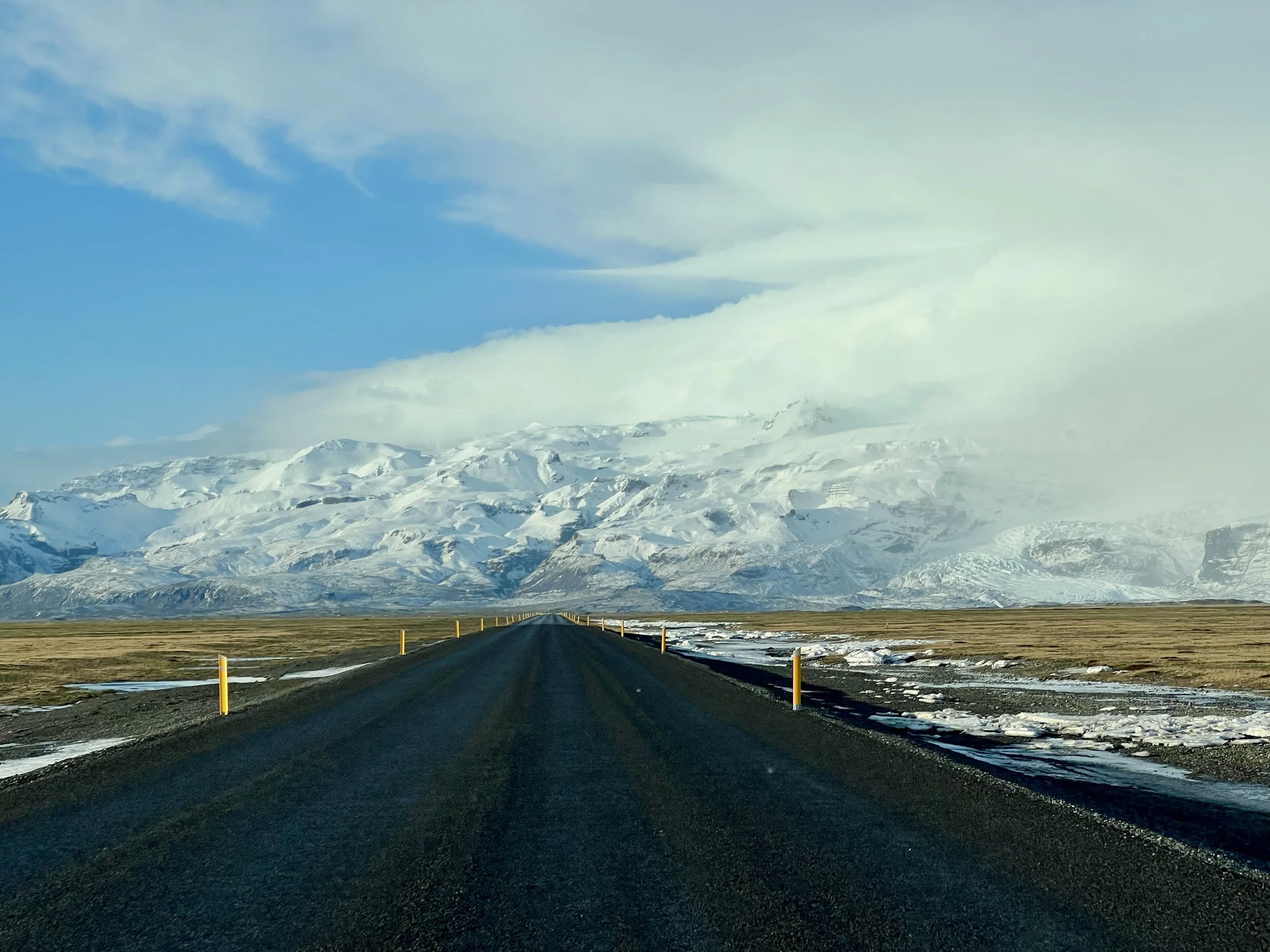
Road conditions on arrival into Keflavic
Our Iceland Plan
For this leg of the trip we actually did something we don’t normally do — we booked a structured self-drive tour through Iceland Photo Tours.
It still suits the way we like to travel because we have the car and complete independence, but they provide the route, photography locations, accommodation and activity bookings.
Basically they’ve done all the research for the best photo spots, and we just follow the plan.
Weather That Changes Every Ten Minutes
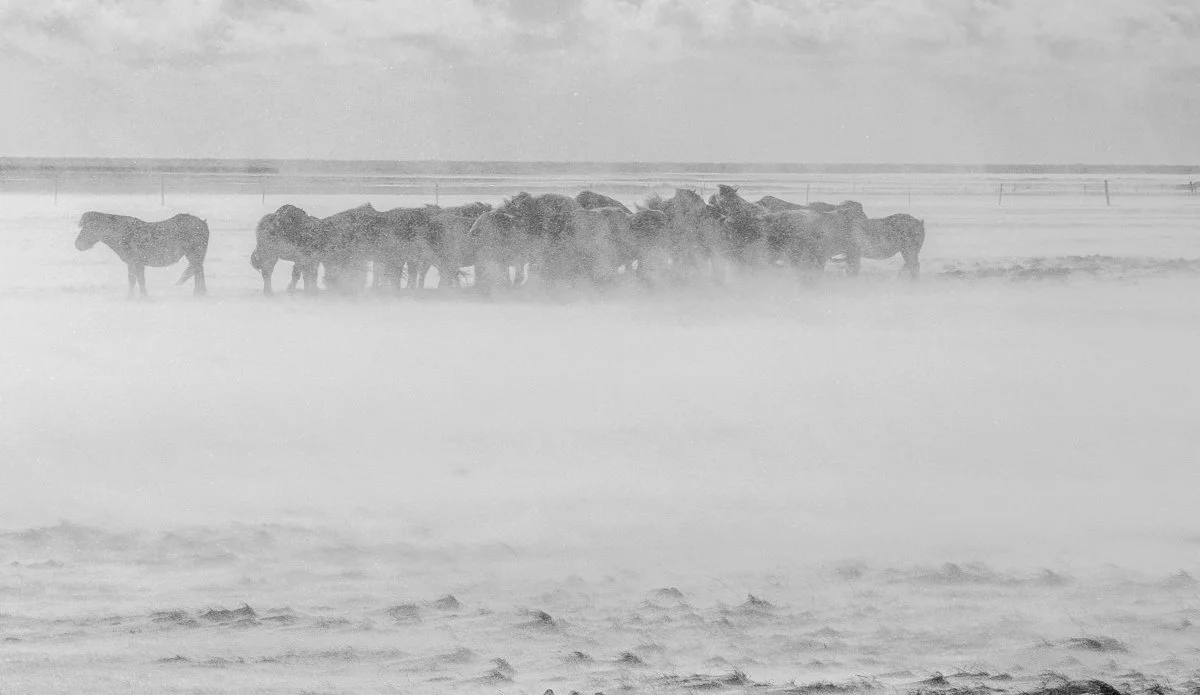
The first morning we started our self-drive loop and the weather was… well… unpredictable. One minute visibility was about one kilometre, ten minutes later it was zero, then it was snowing, then sideways sleet hitting the windscreen, then suddenly the sun would come out, and then ten minutes later… snow again.
It really does change that quickly here.
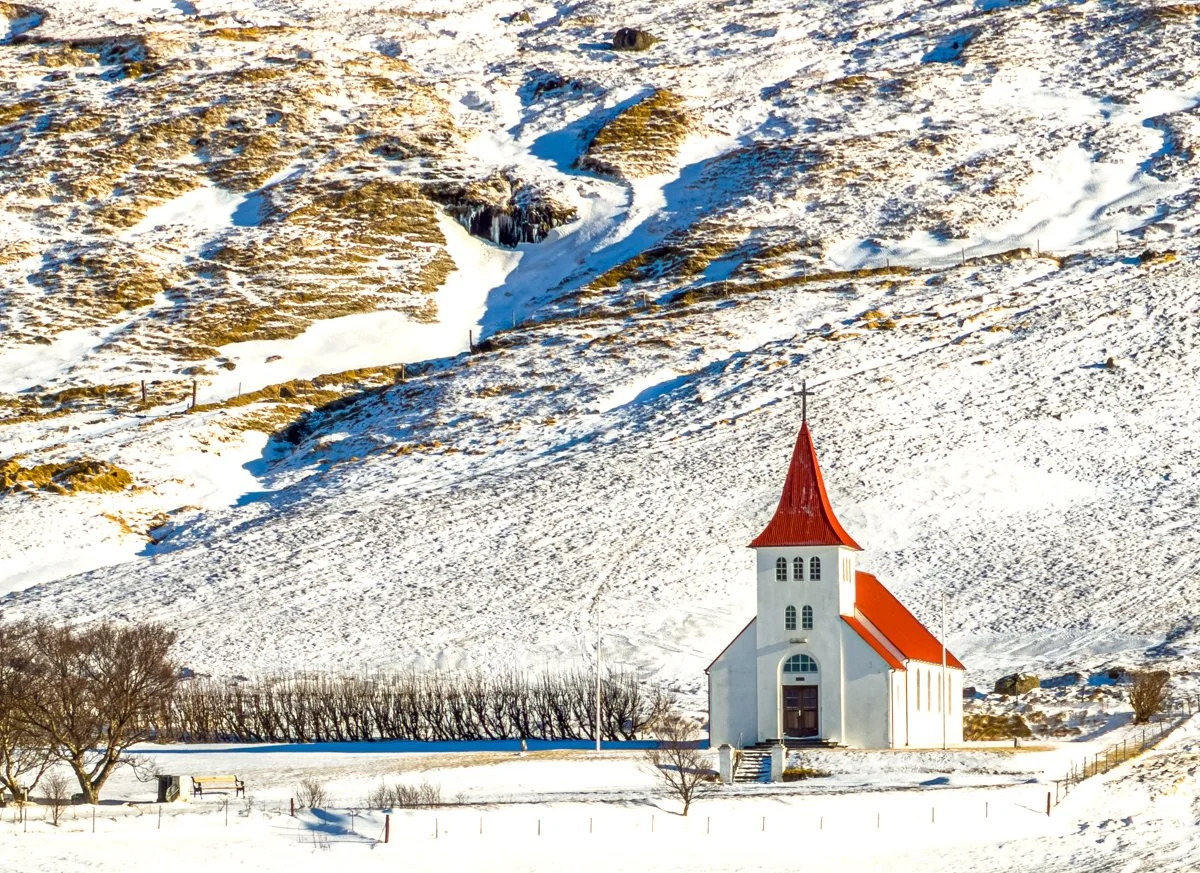
We drove along the coastline near Keflavík, and it honestly felt like we’d landed on another planet. The landscape is all volcanic rock covered in snow, with strange shapes appearing out of the mist as buildings and structures come into view.
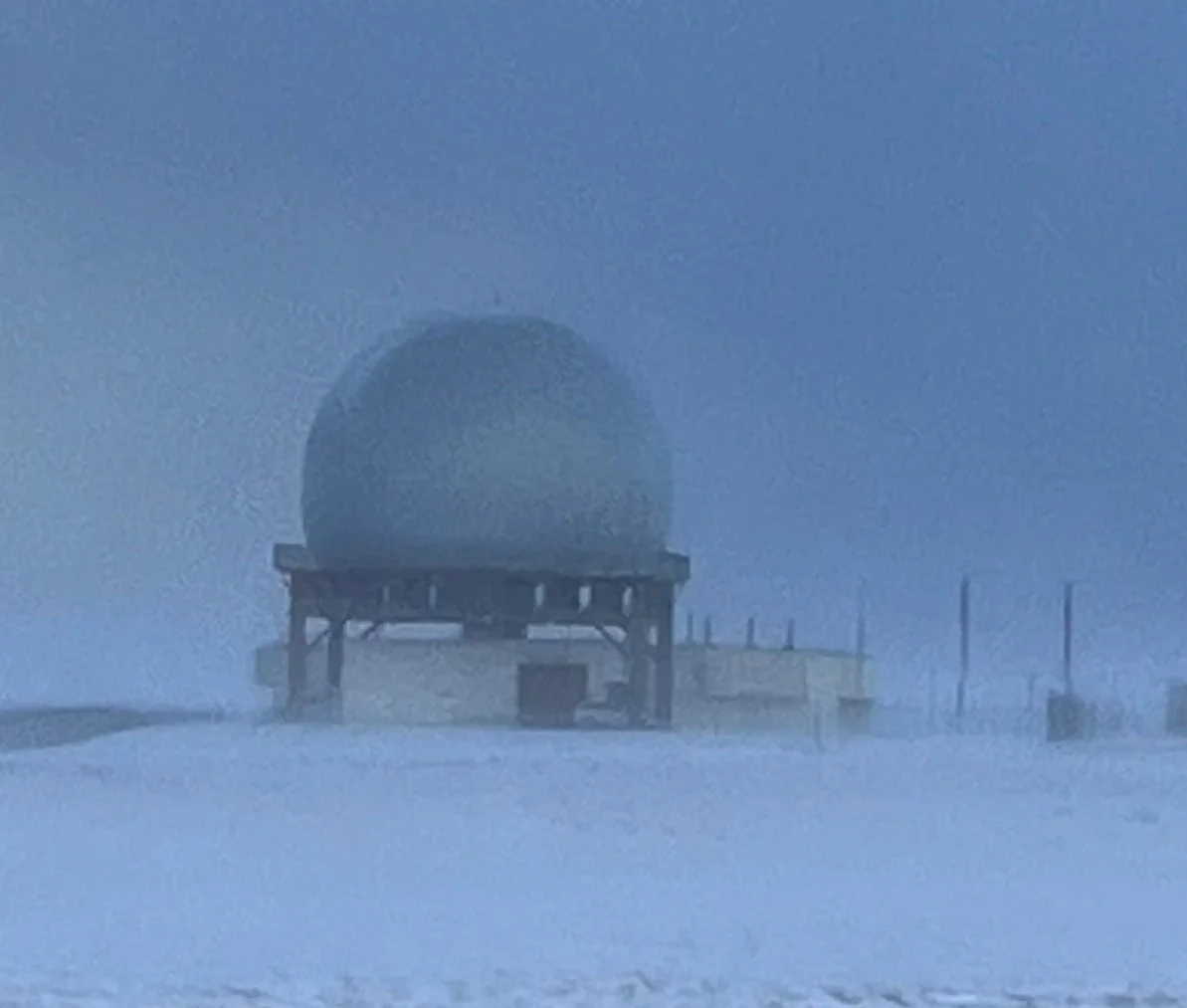
It’s quite surreal.
The Blue Lagoon Experience
That afternoon we had booked a visit to the famous Blue Lagoon. Before you even get into the pools they give you a safety briefing which includes the sentence:
“If there is any volcanic activity we will guide you to the evacuation points… but don’t worry, that has only happened five times in the last two years.”
Very reassuring.
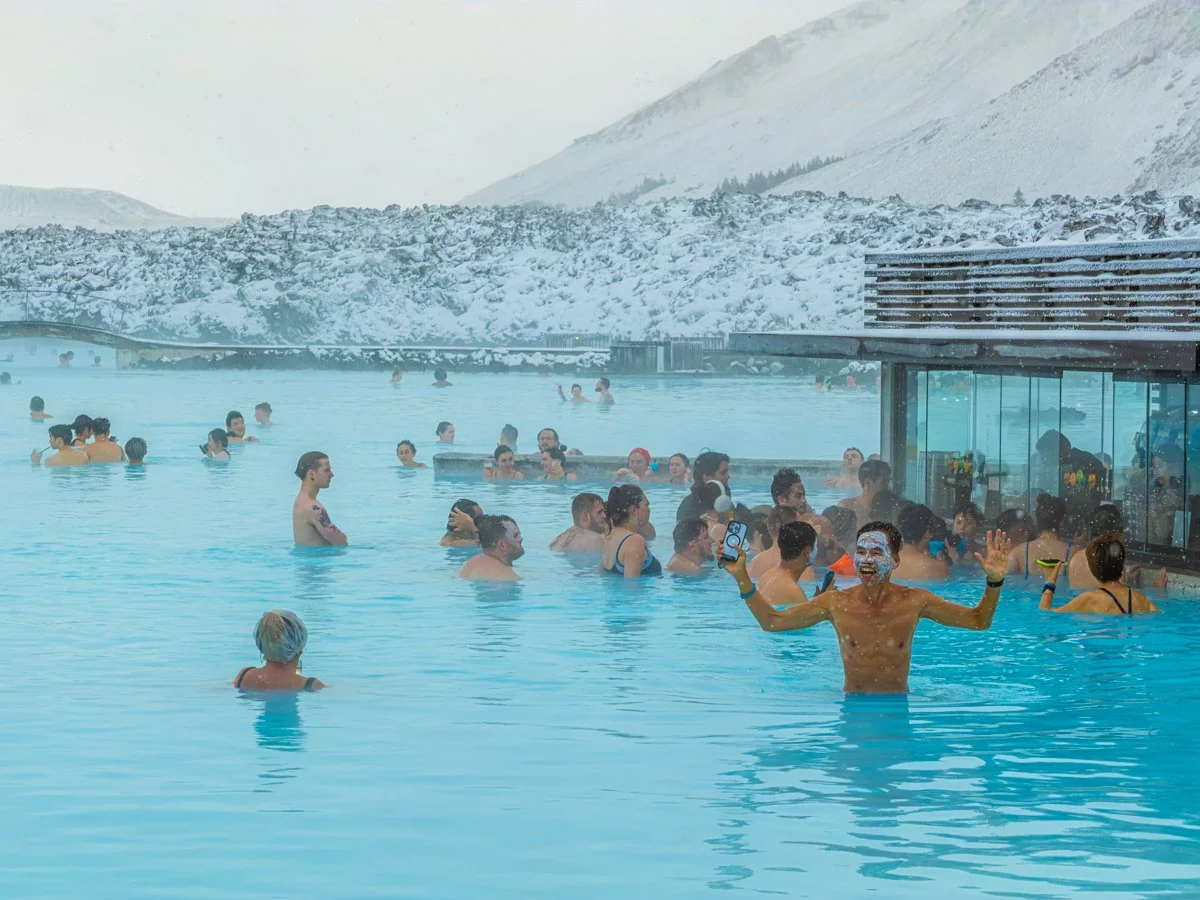
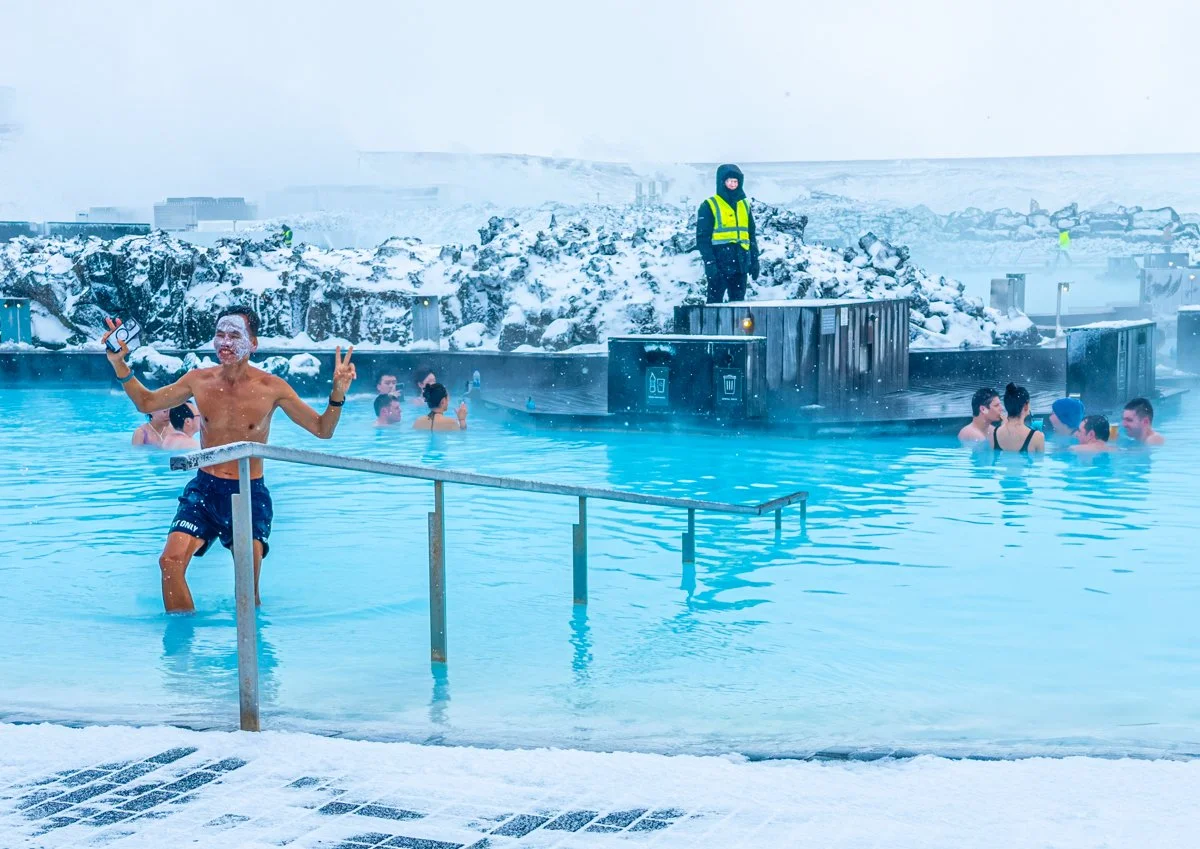
The process is quite strict. You have to shower and properly wash before entering the pools, and you’re not allowed to wear bathers in the shower area beforehand. Then you step outside into the thermal pools which sit between 37 and 39 degrees.
You can put on a silica mud face mask and they give you a complimentary non-alcoholic drink. The brochures show this peaceful spa experience with blue skies and gentle steam.
The reality?
We were sitting in beautifully hot water while snow and sleet blew straight into our faces, and because your hair is wet from the pre-shower it starts freezing almost immediately. At one point I swear I had little icicles forming in my hair, and the silica mud was drying my skin out at the same time.
But despite all that… it really was a must-do experience, and we’re glad we did it.
Reykjavik and the World’s Most Expensive Pizza
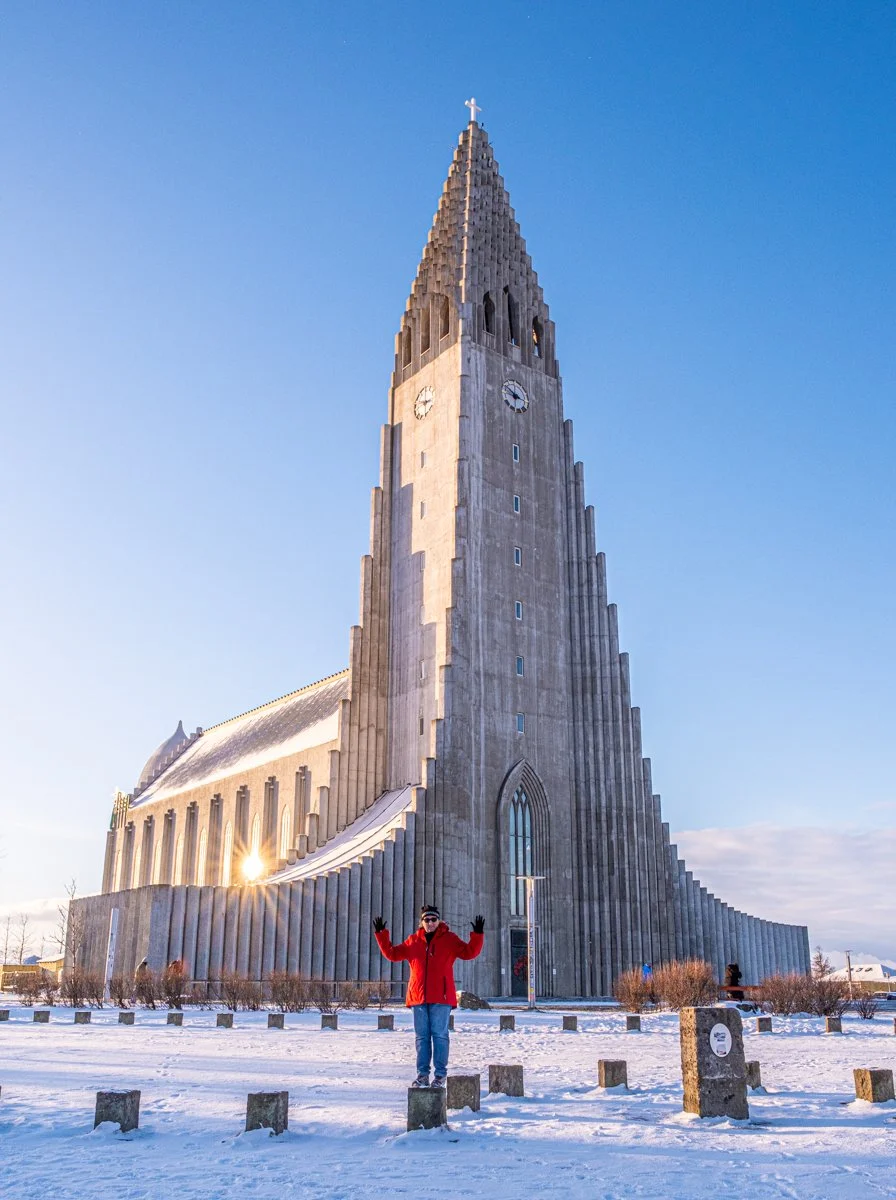
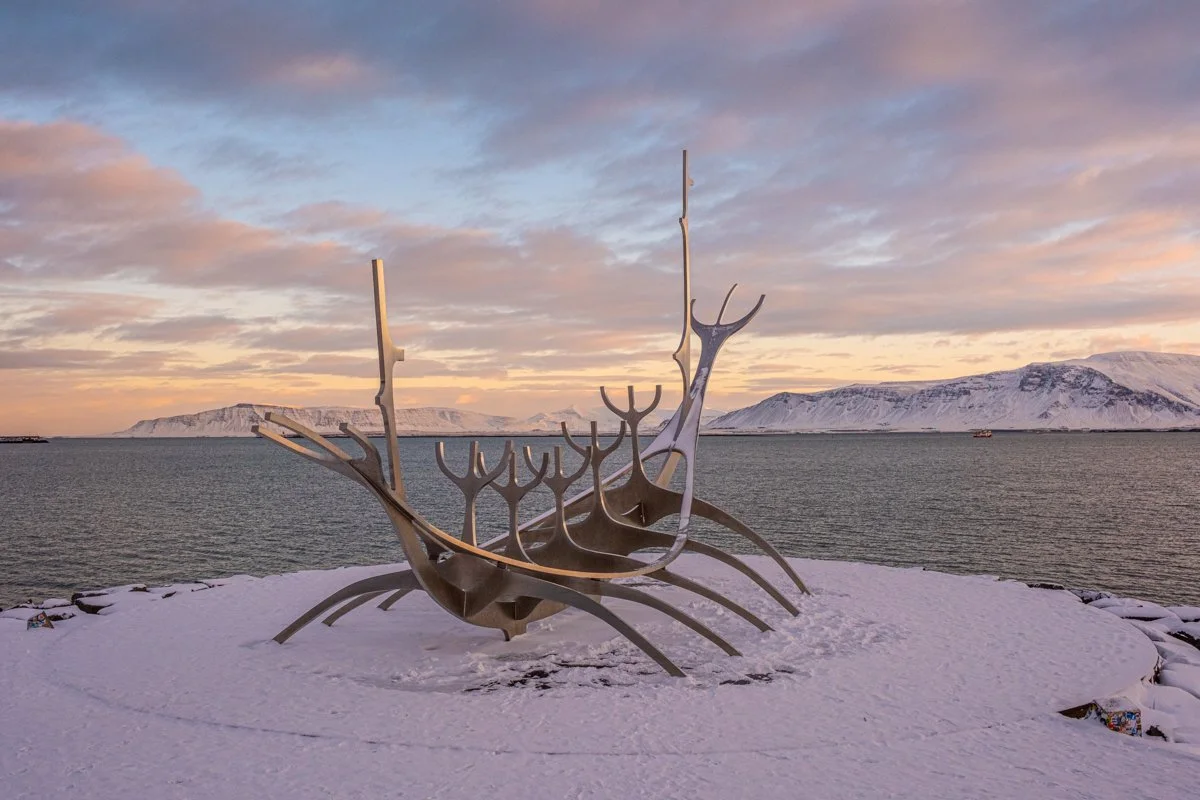
Later we headed into Reykjavík and had a quick wander around the city centre. It’s a really interesting place — colourful buildings, modern architecture, and a slightly quirky artistic vibe. You can see how the harsh environment has shaped the culture here.
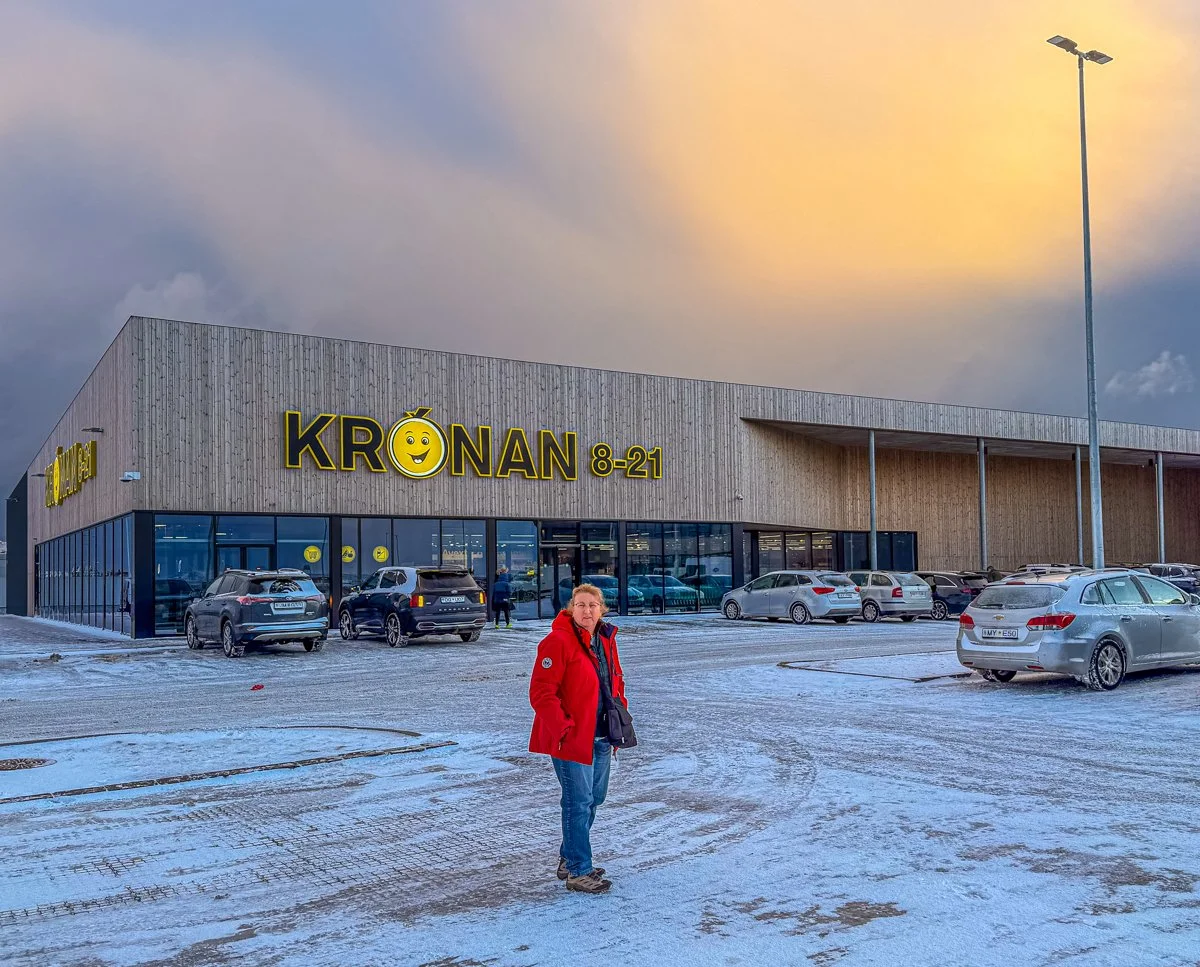
After exploring for a bit we grabbed a pizza, and that’s when we got our first real lesson in Icelandic prices.
A Domino’s pizza cost about $60 Australian.
Yes… sixty dollars. Food here is incredibly expensive, so the next day we stopped at one of the large grocery stores and bought lunch supplies, snacks, and soups to take with us while travelling.
Luckily our accommodation included breakfast, so we made sure to fill up each morning. Normally when we travel we aim to spend around $50 a day on food, but Iceland was definitely not going to cooperate with that plan.
Chasing the Northern Lights
We started heading toward the western side of Iceland the next day.
The weather was actually quite pleasant — winds had dropped and we even had some sunshine. Temperatures ranged from about –2°C to –5°C, which after the wind the day before felt almost comfortable.
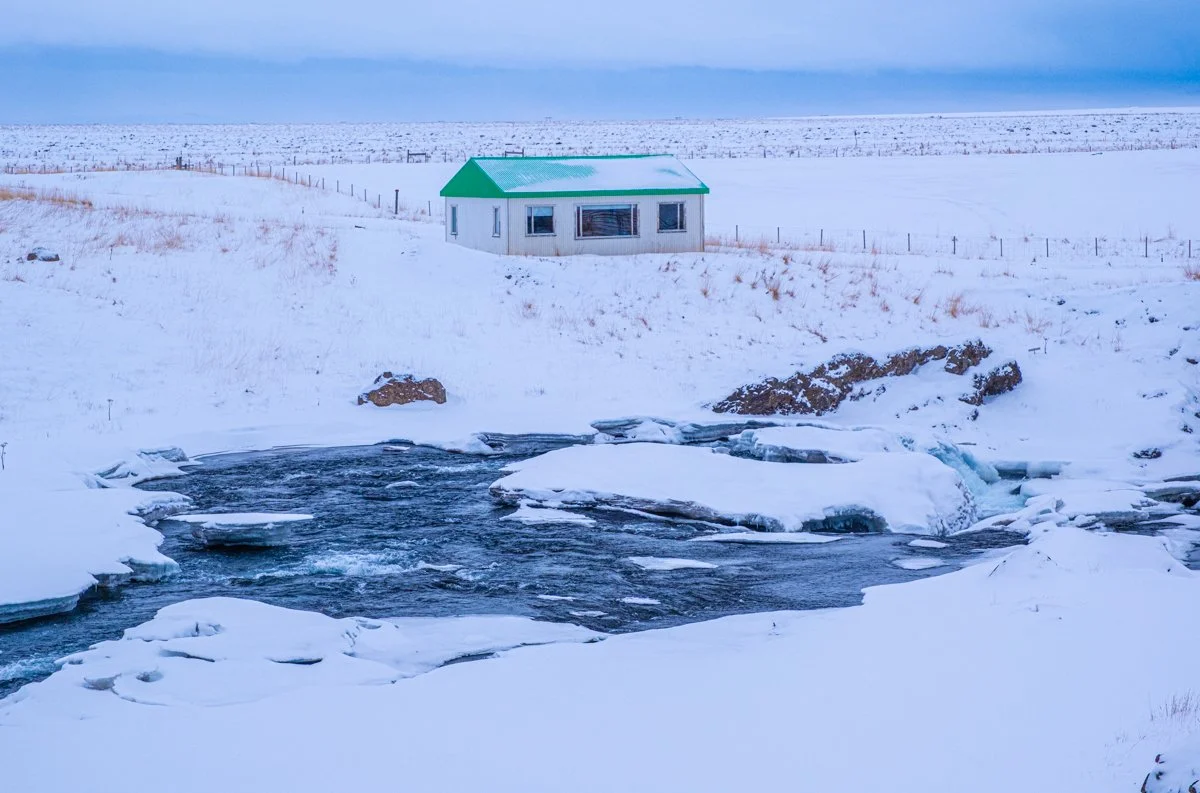
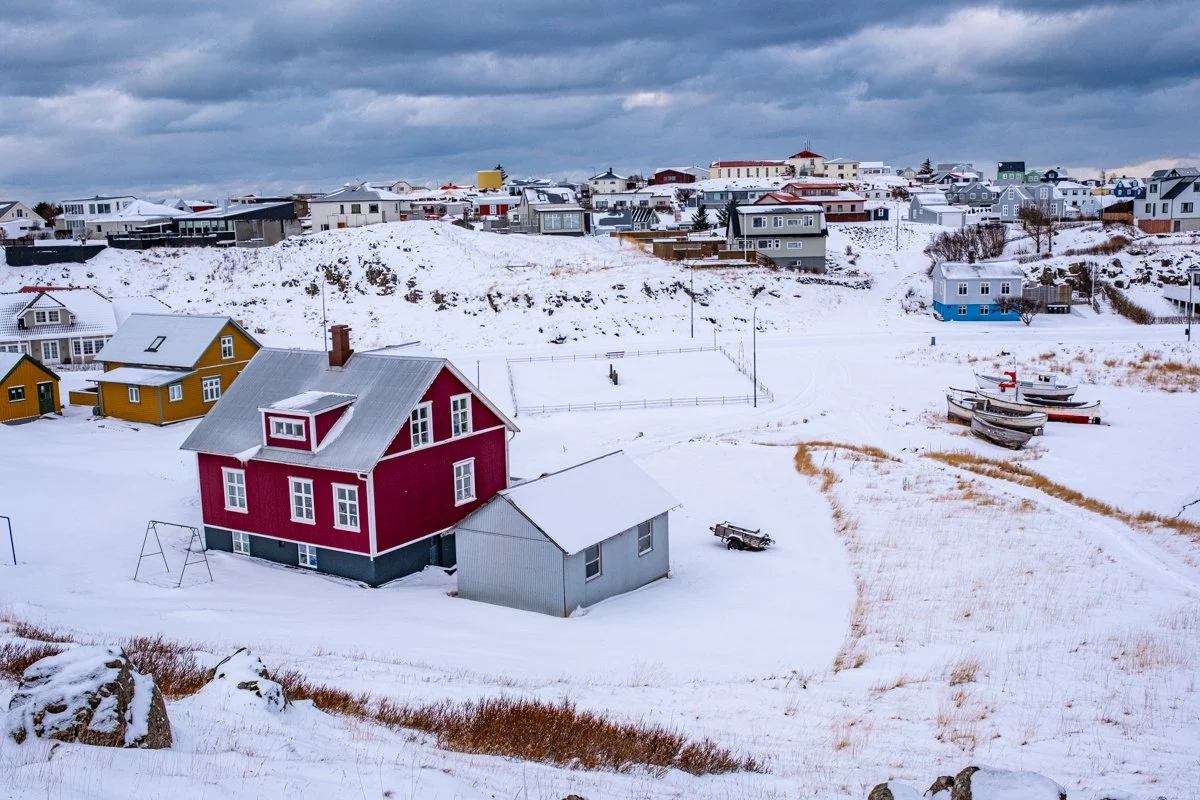
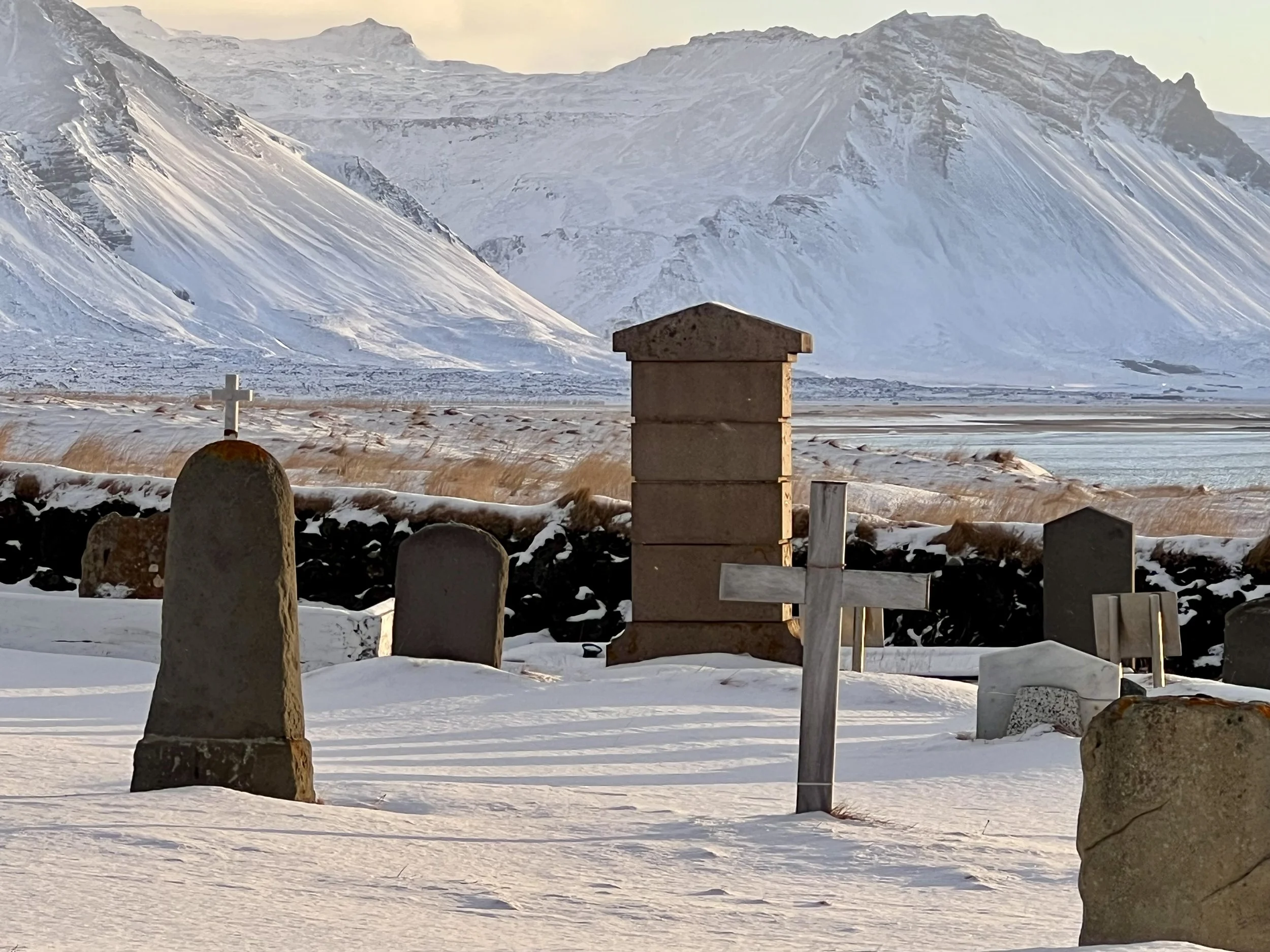
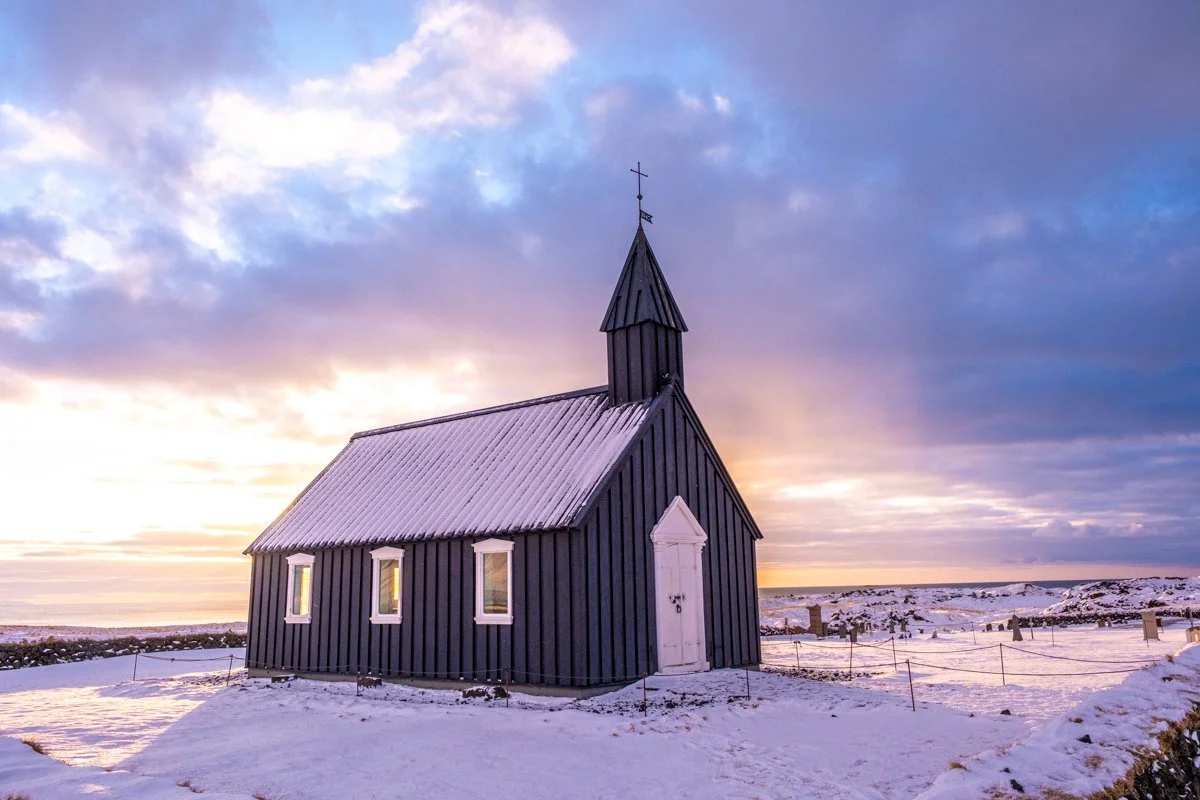
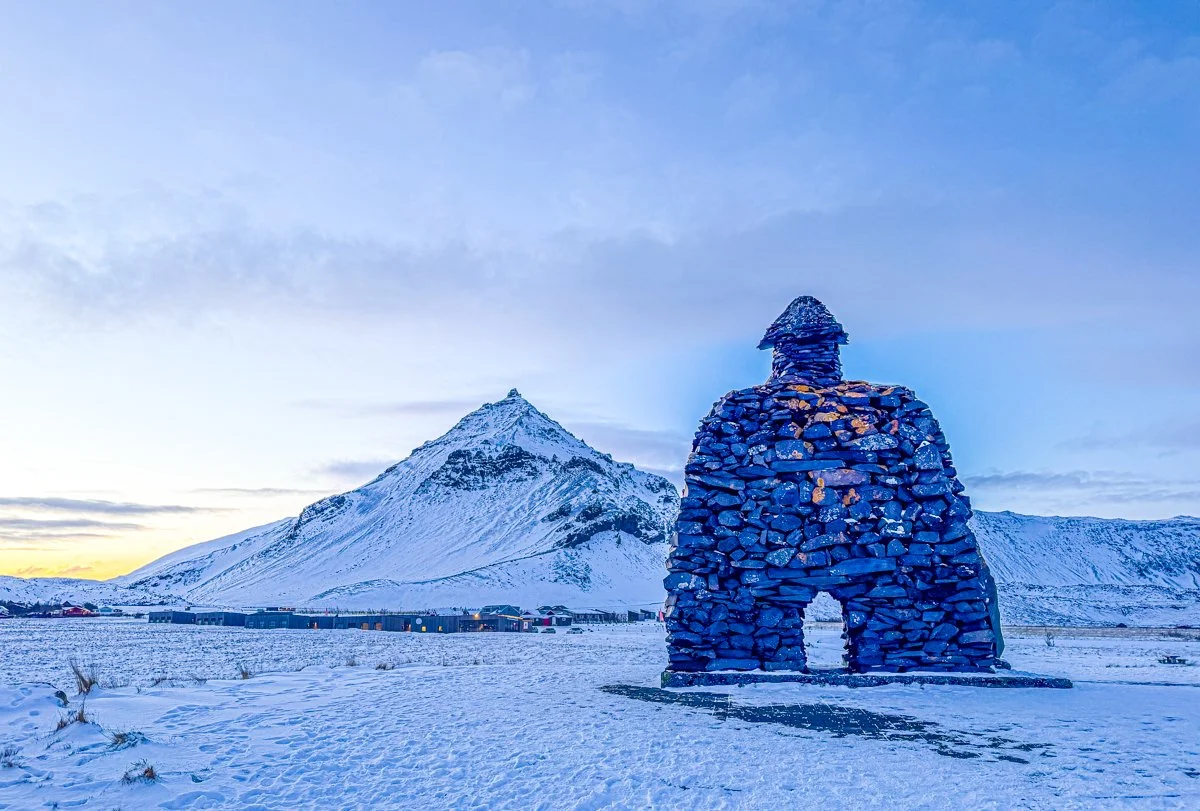
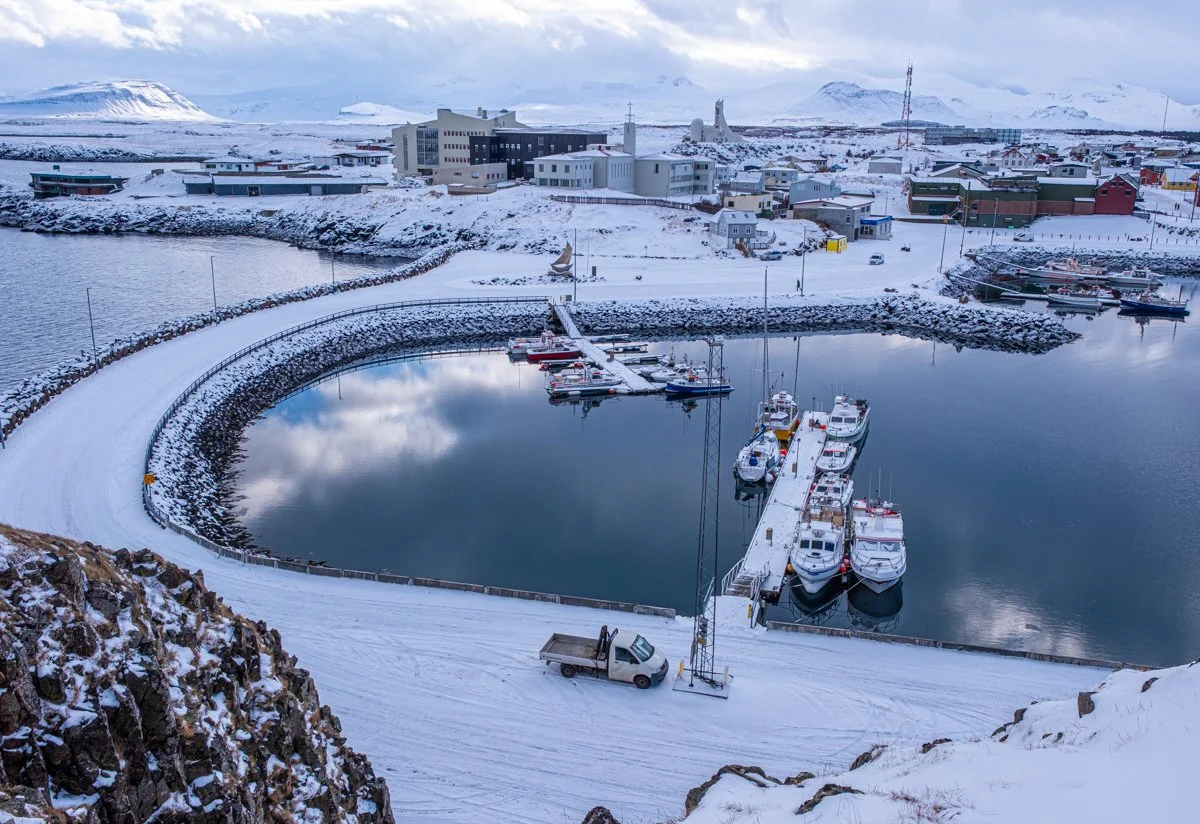
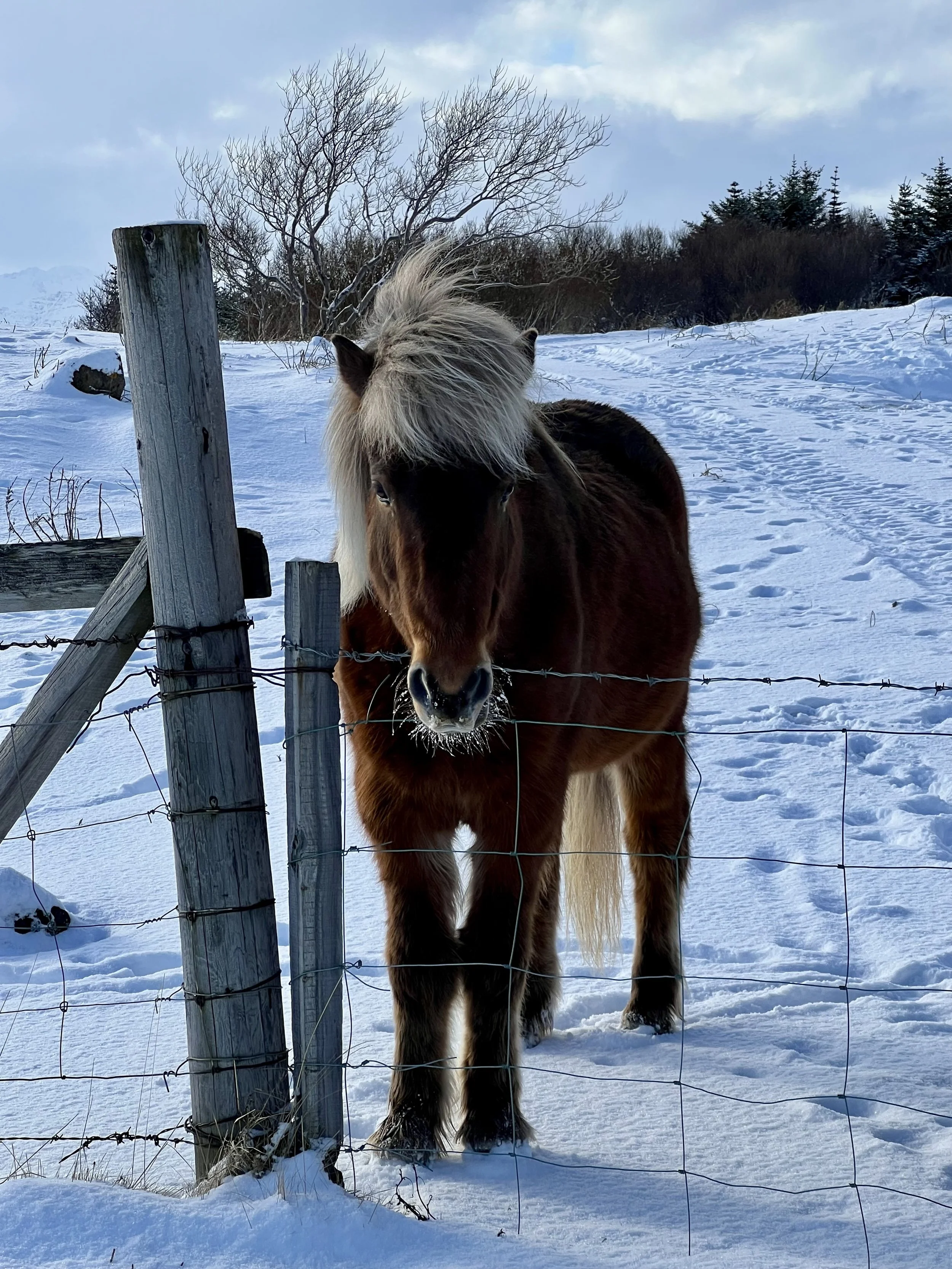
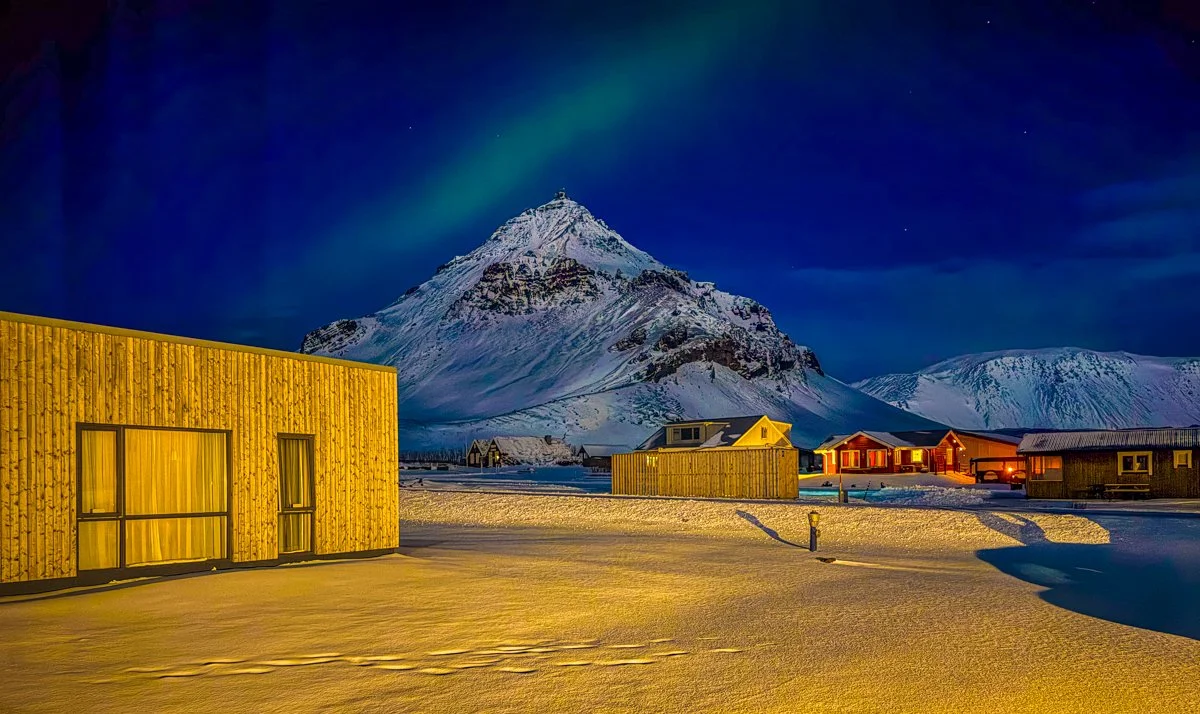
Our accommodation that night had something very clever: a live outdoor Aurora camera linked to the rooms. You could check it on your tv to see if the Aurora Borealis had appeared.
This meant you didn’t have to keep going outside in the freezing cold to check the sky. Instead you watched the camera feed, and if the aurora appeared you could grab your camera gear and run out to photograph it.
Of course that only worked if you didn’t fall asleep first and wake up just in time to see the very end of it.
Waterfalls and Tourist Crowds
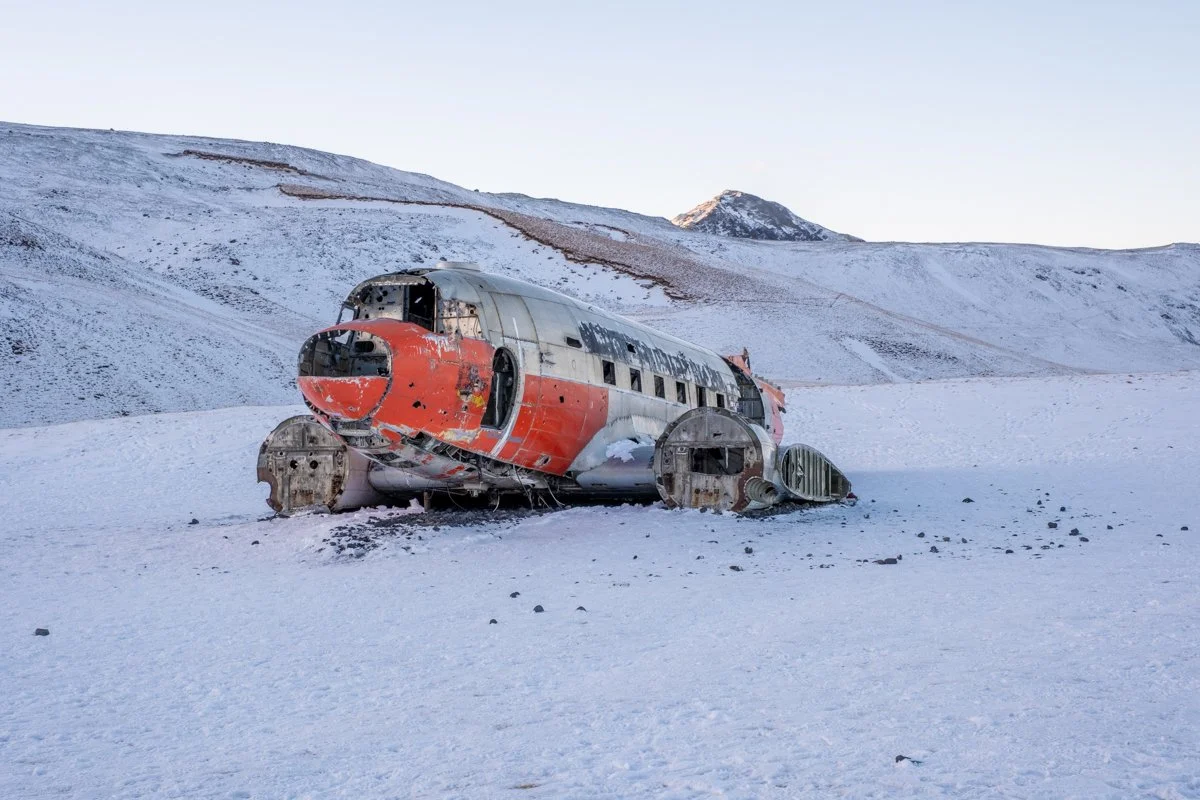
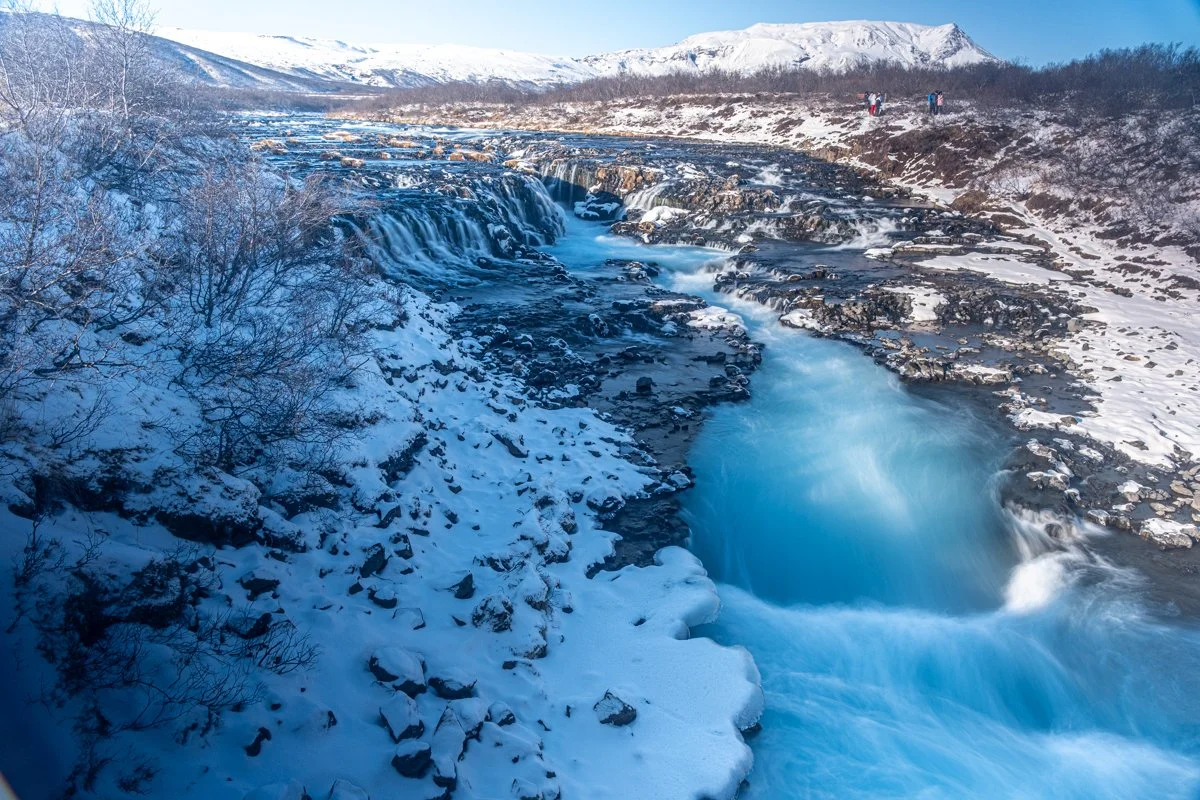
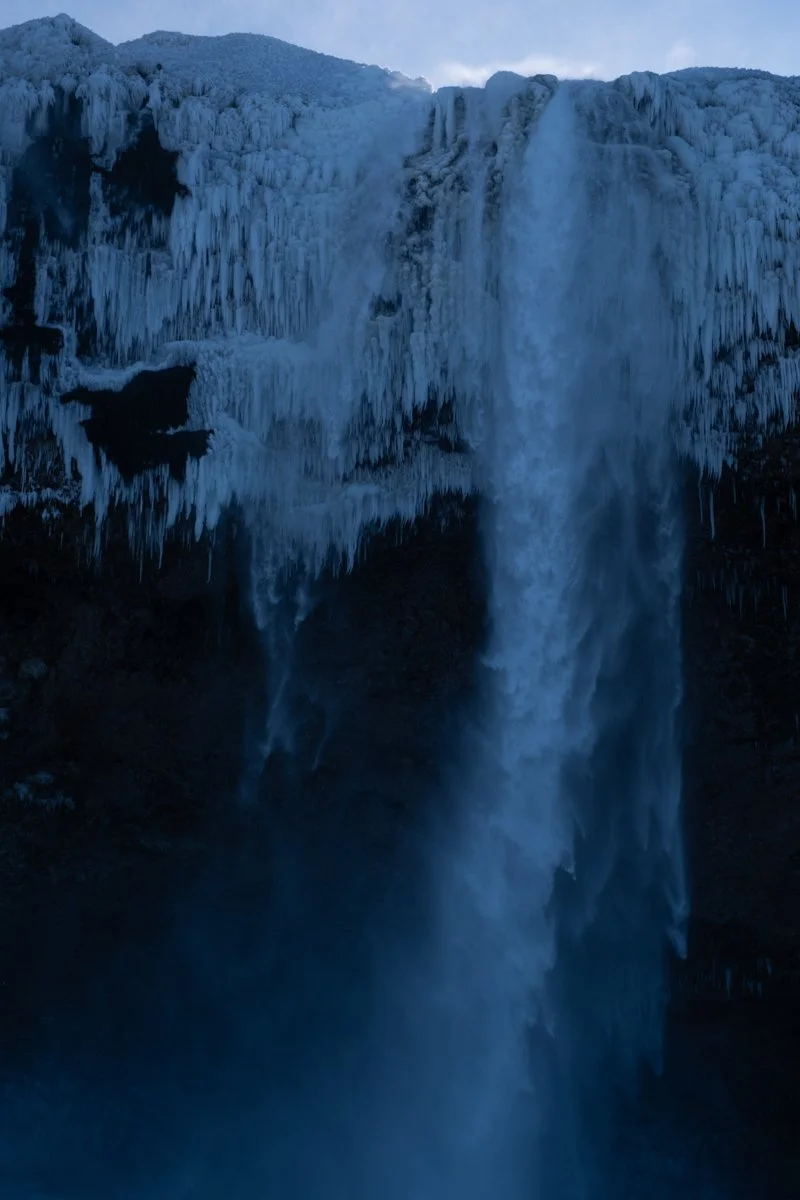
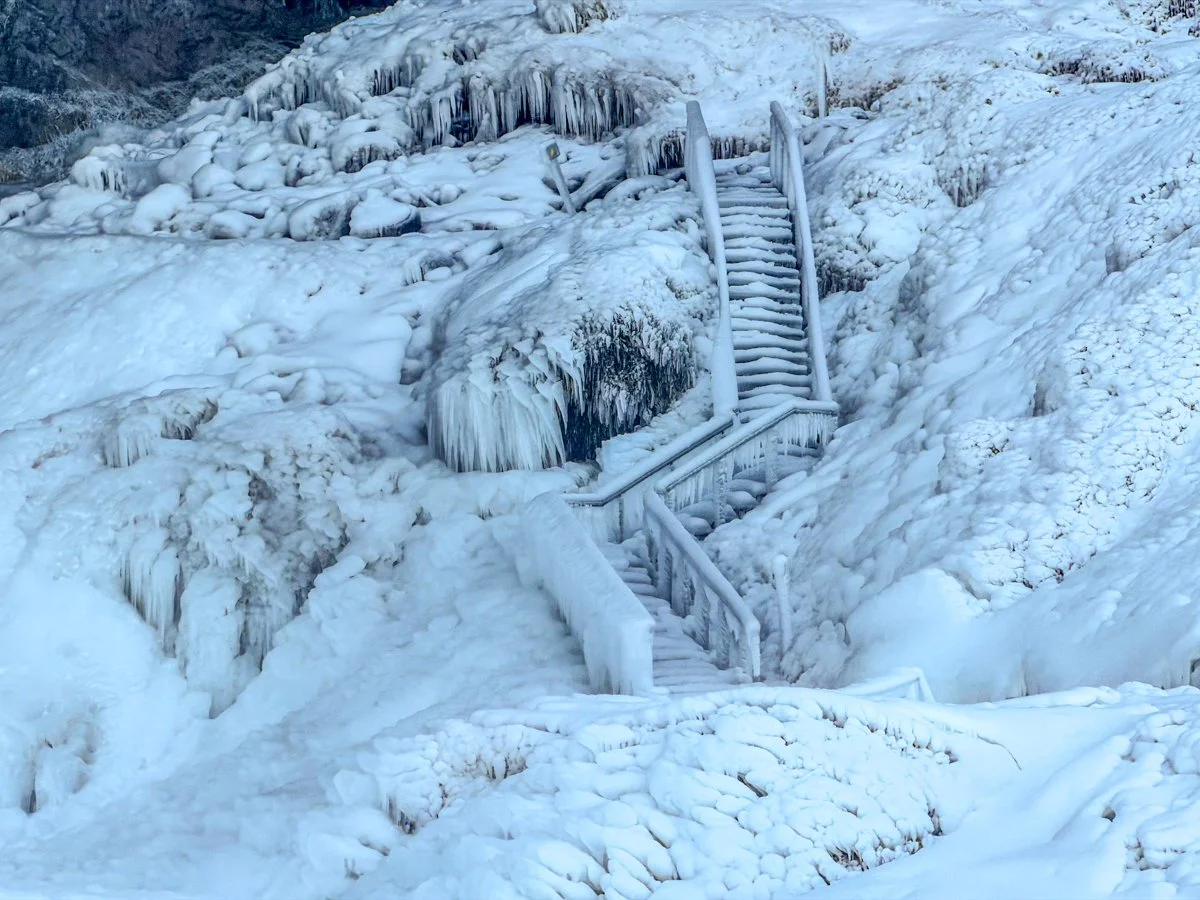
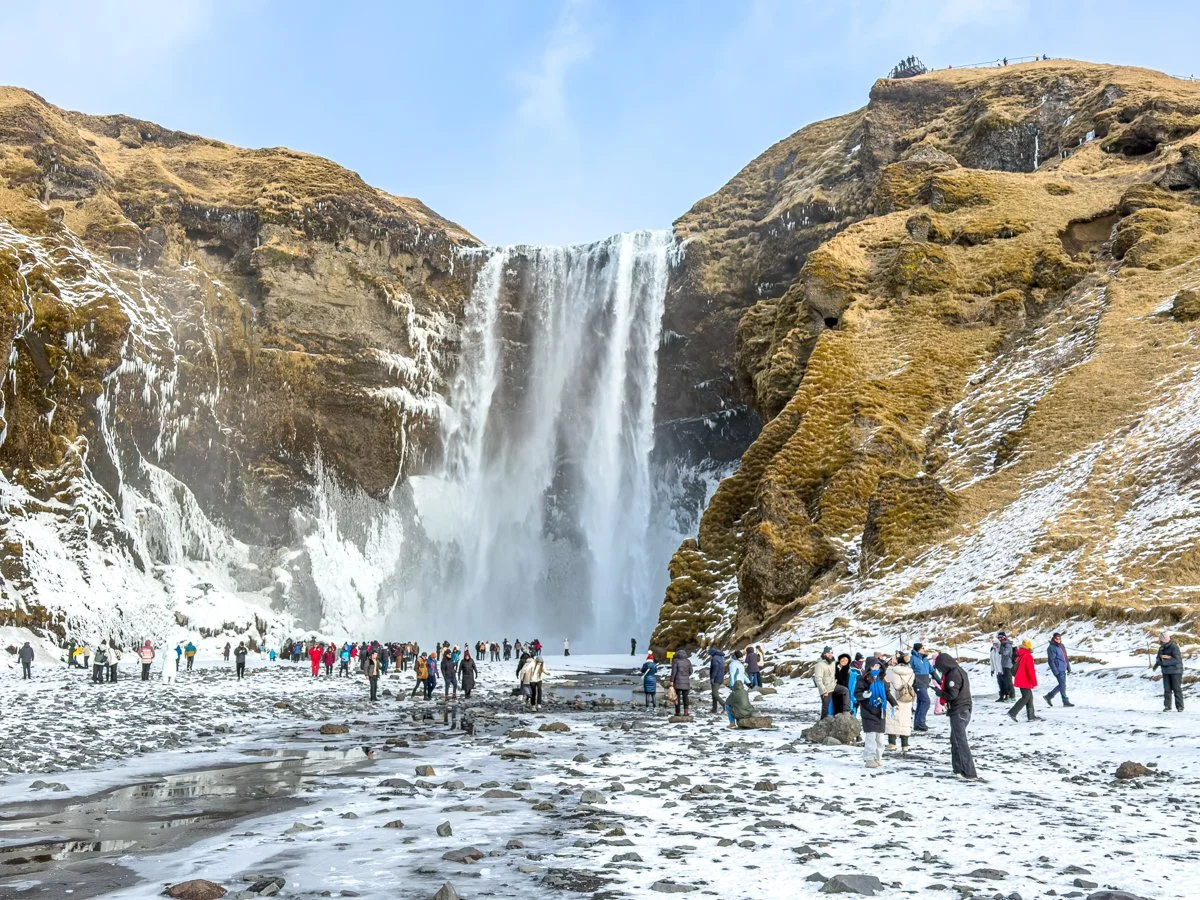
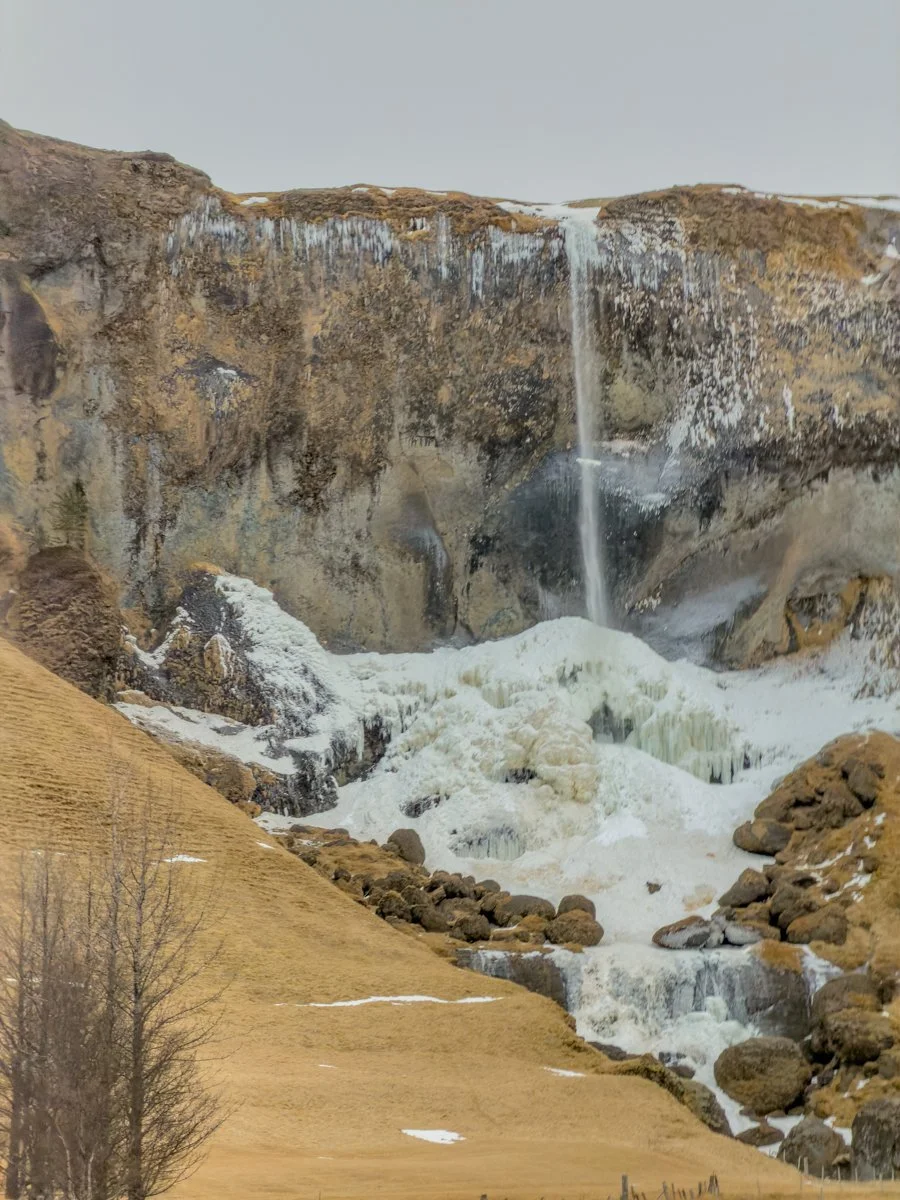
The following day was all about waterfalls — and Iceland has a lot of them.
Even though we were travelling during the quieter season there were still plenty of tourists, especially at the iconic locations.
One interesting thing we learned is that during summer Iceland has almost 20 hours of daylight, so locals often visit the major attractions late at night to avoid the crowds. Imagine photographing waterfalls at midnight with full daylight — it sounds strange but it works there.
Heading East — and Seeing the Consequences
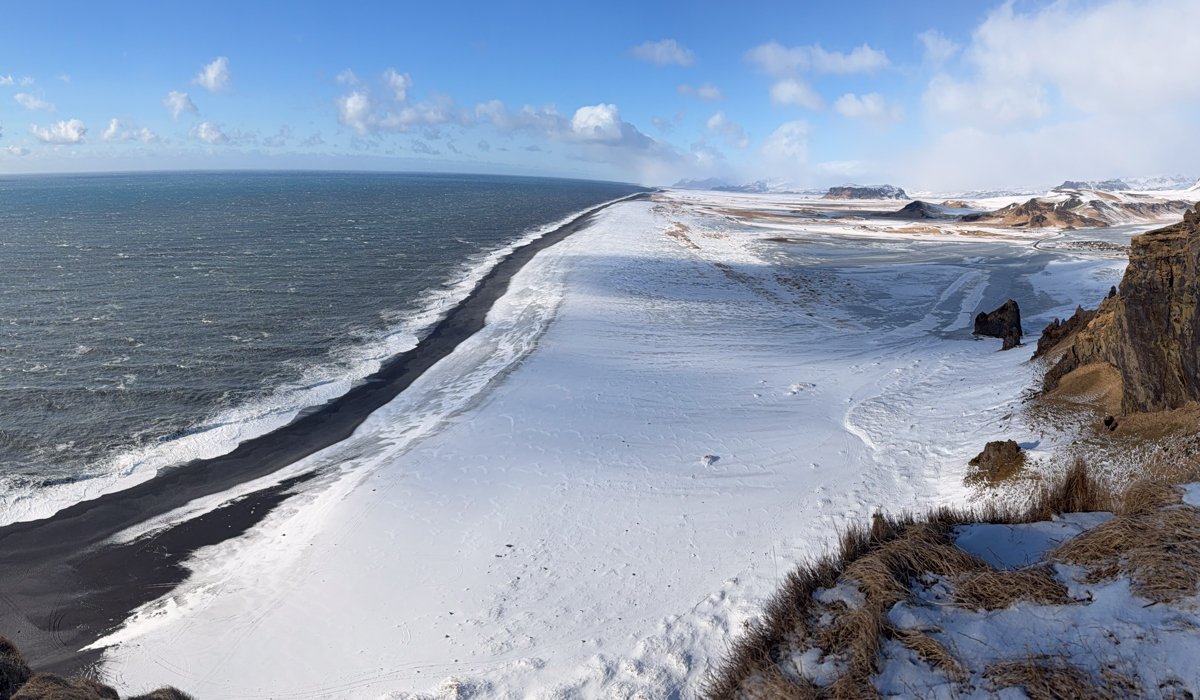
From there we began heading toward the eastern side of Iceland where Diamond Beach and the big glacier areas are located.
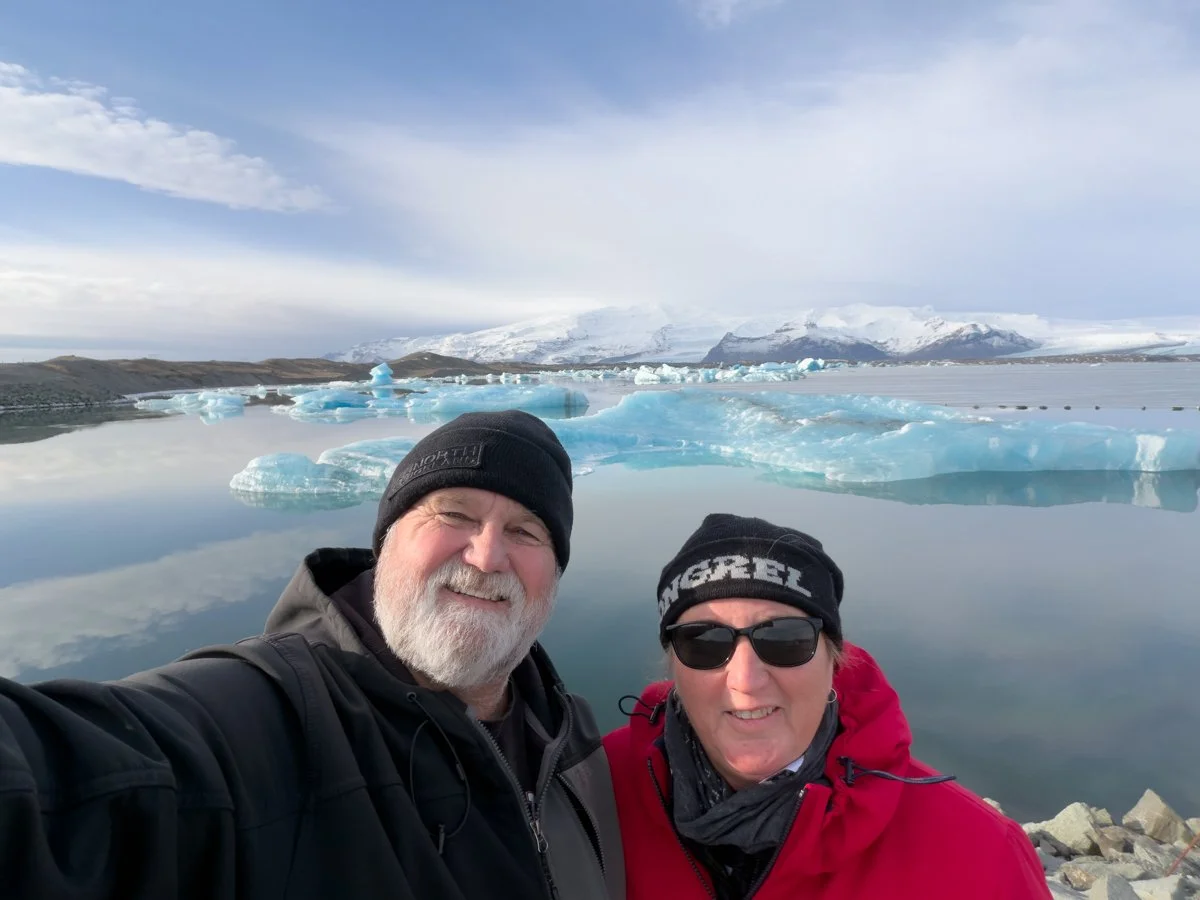
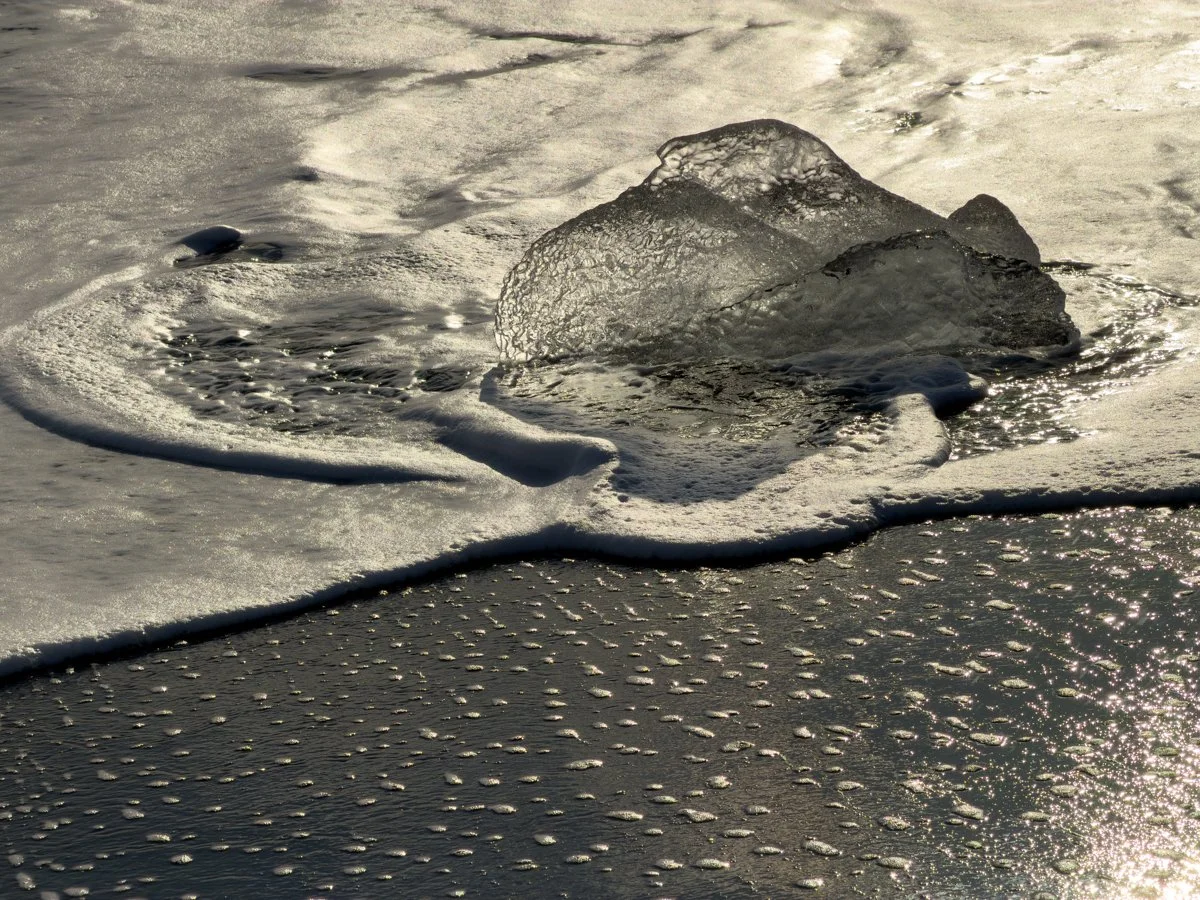
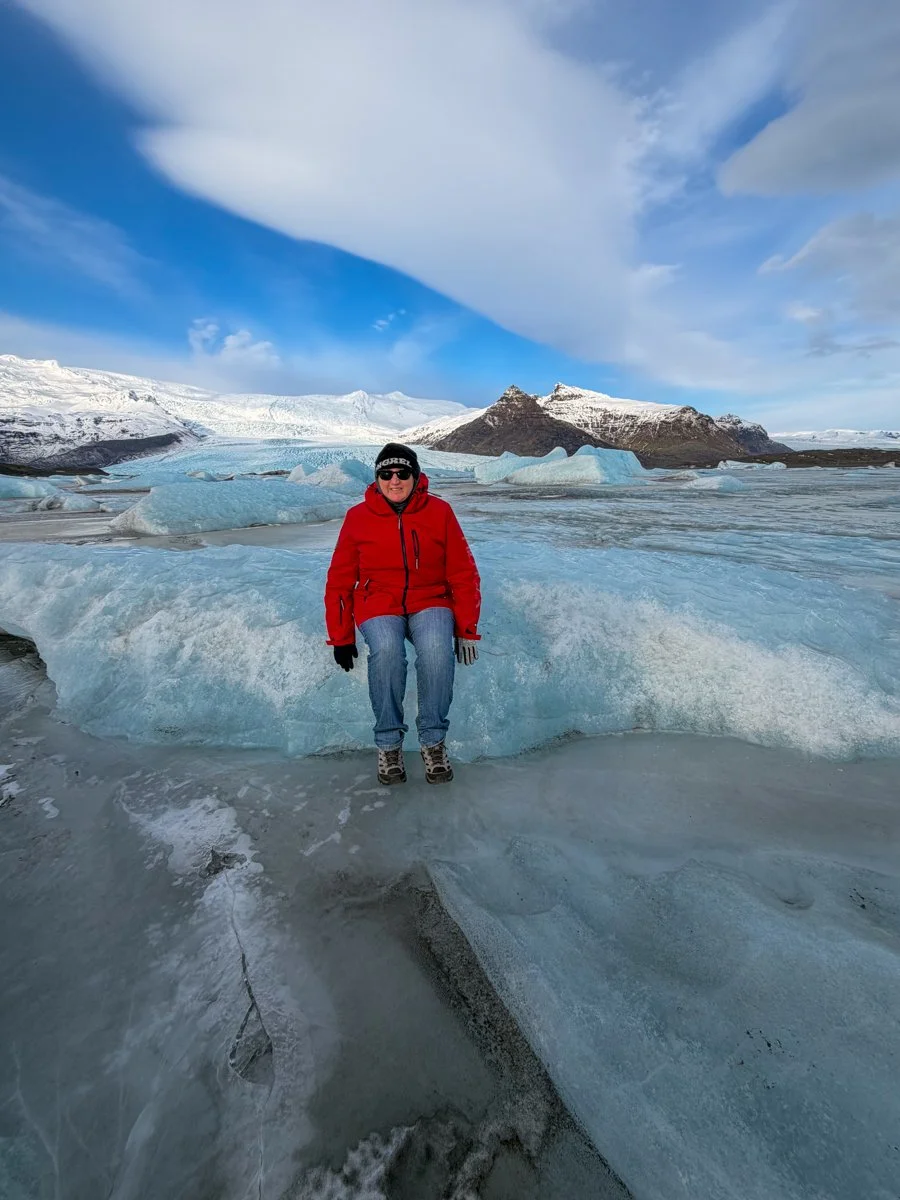
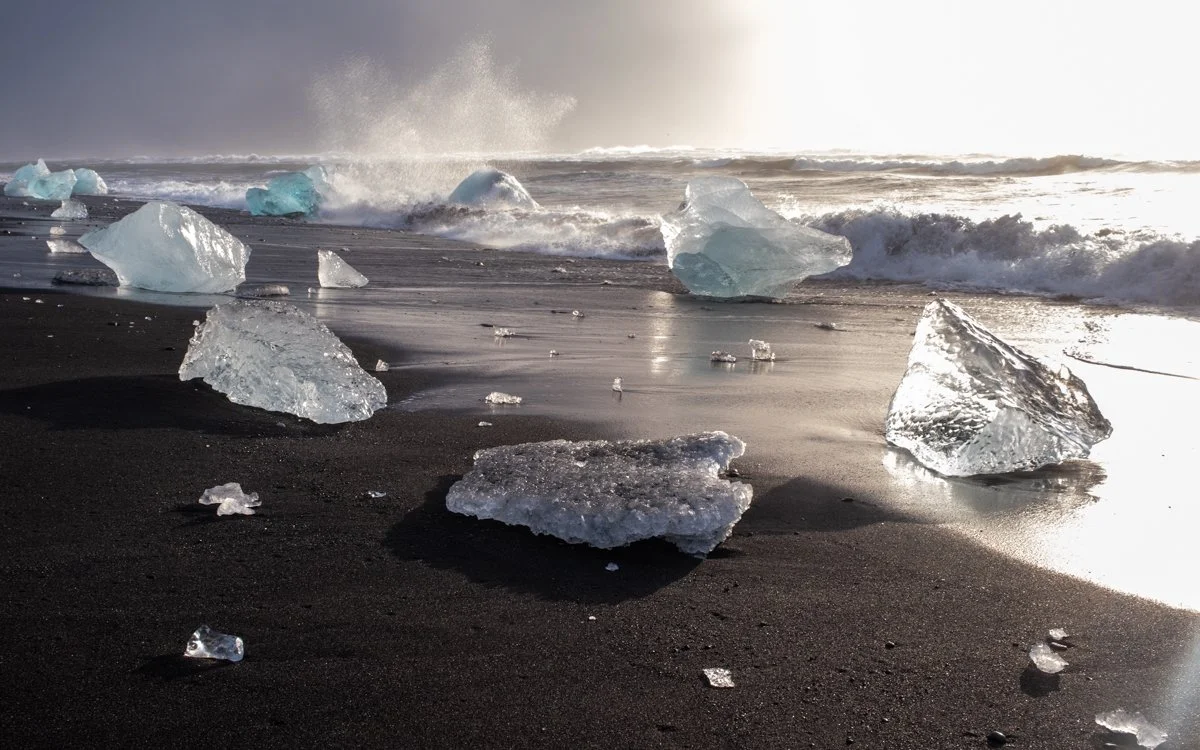
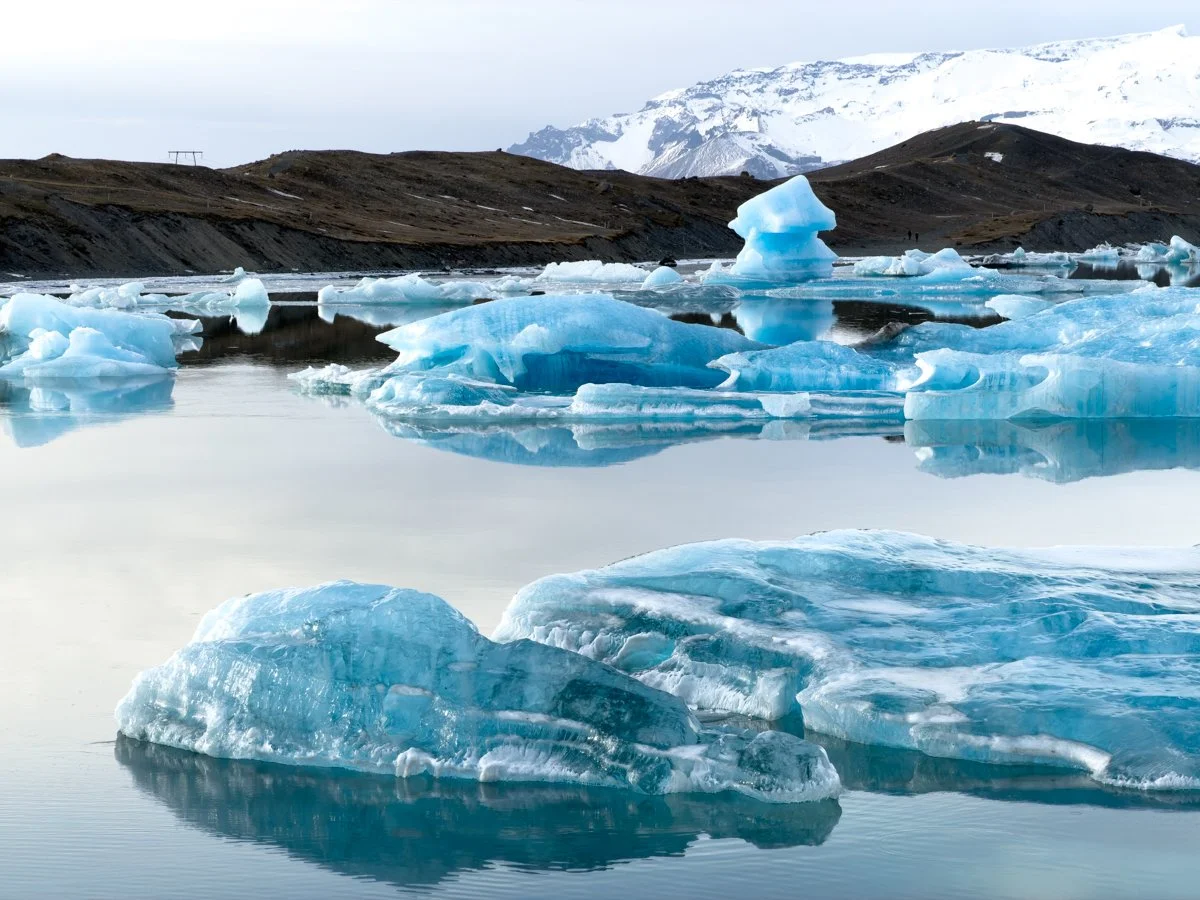
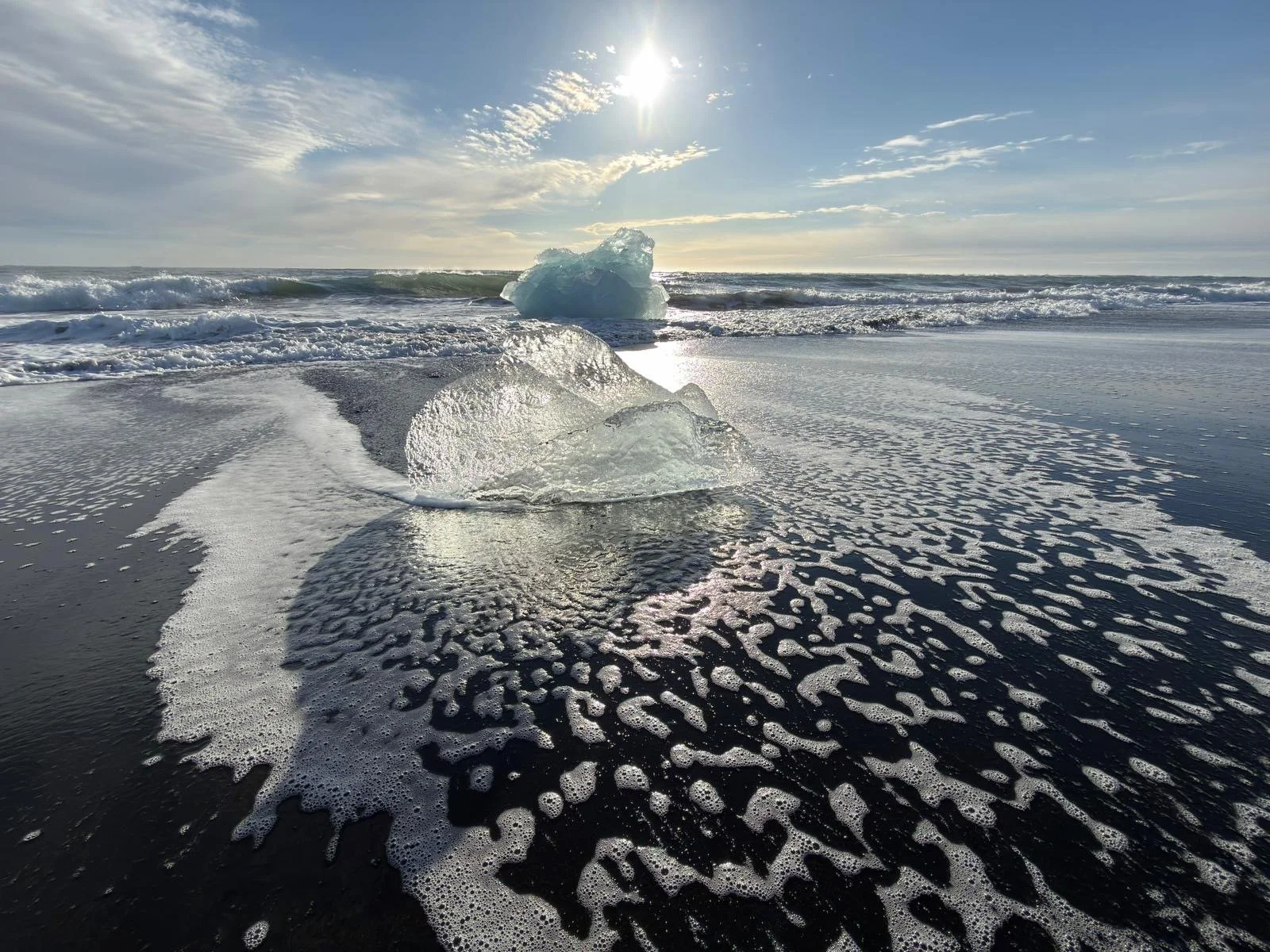

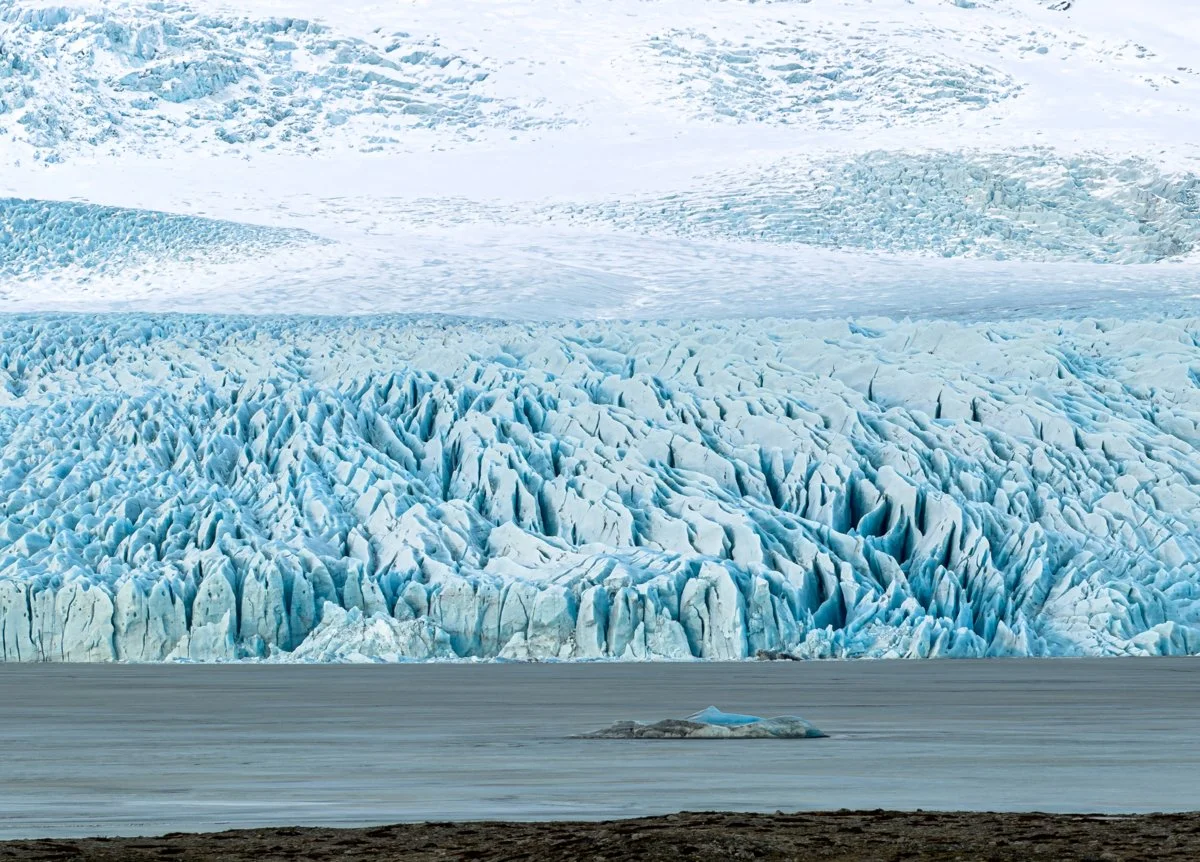
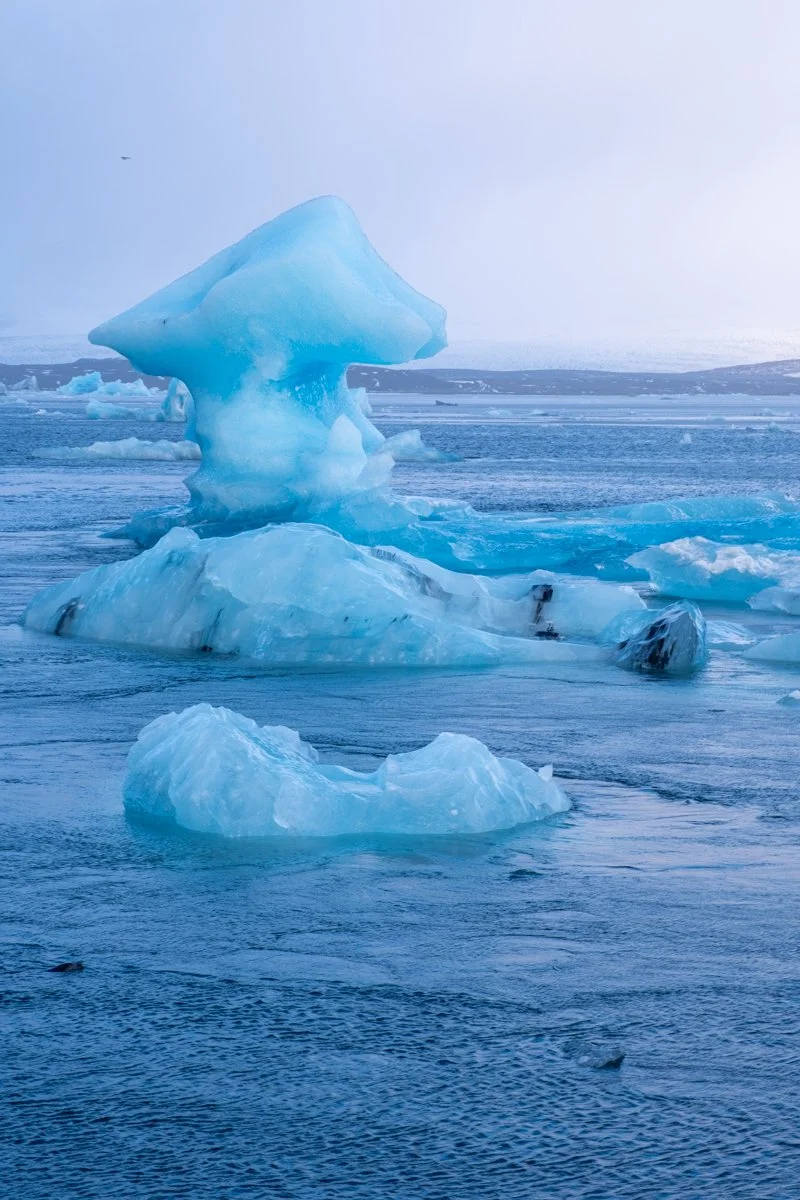
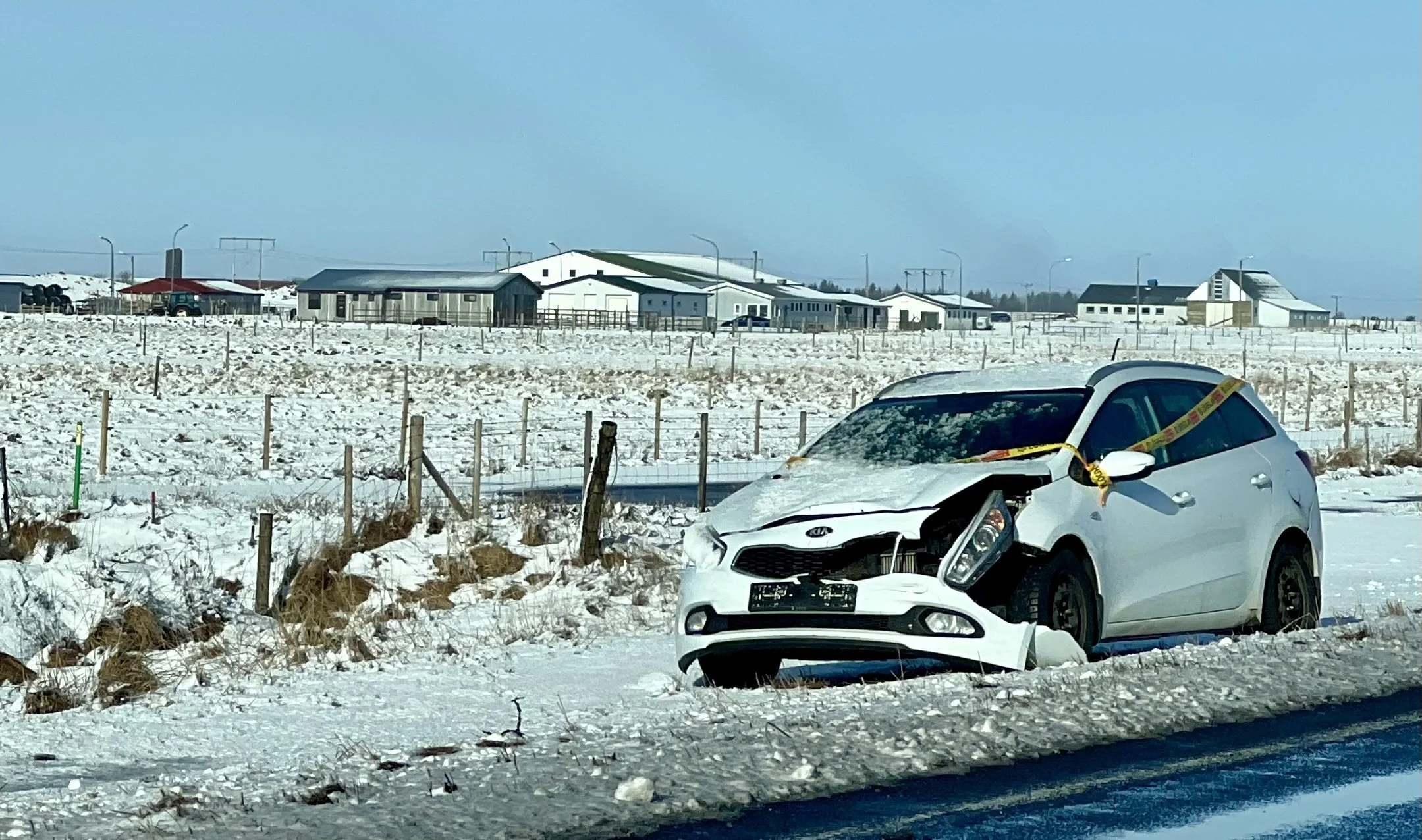
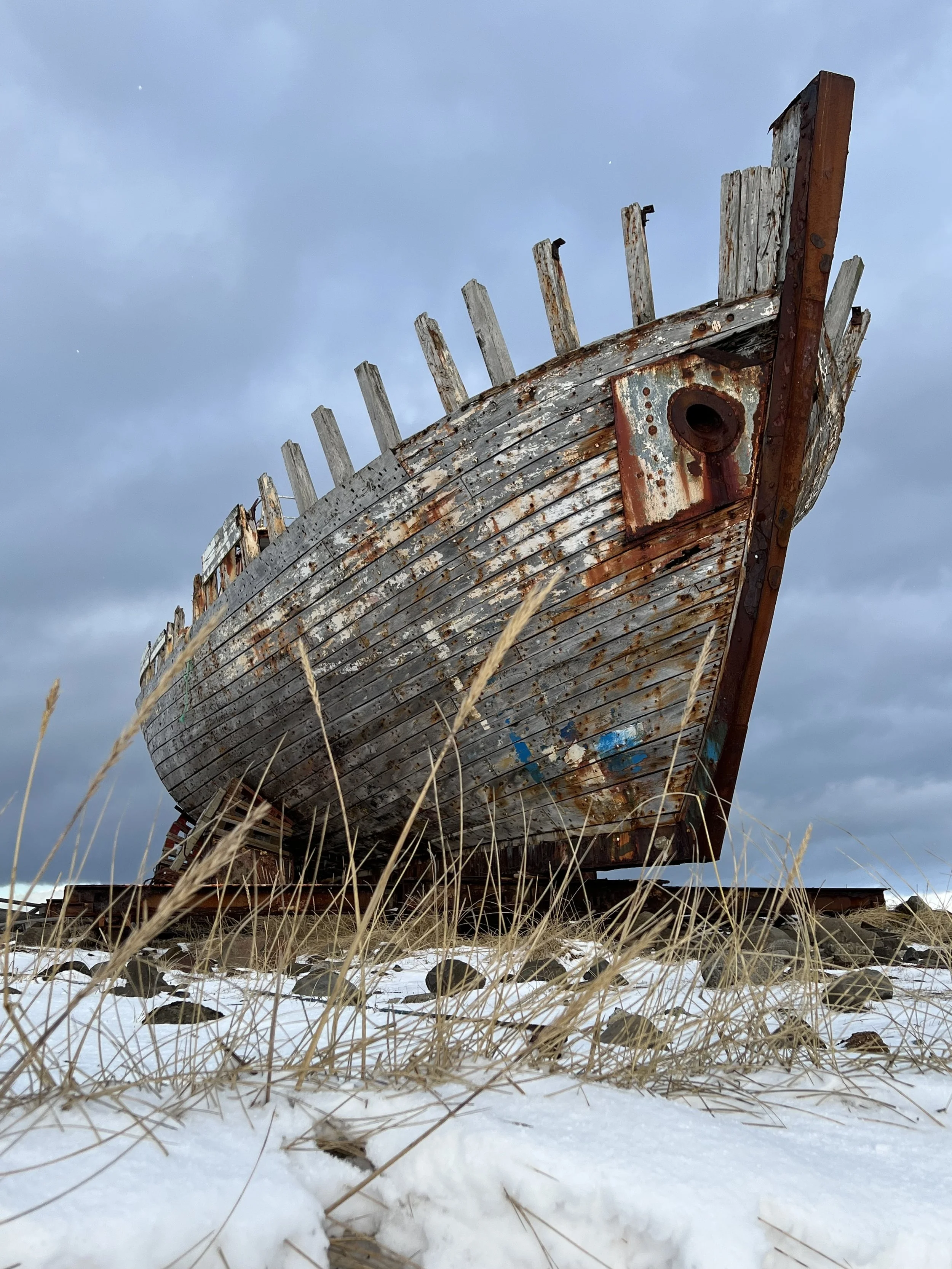
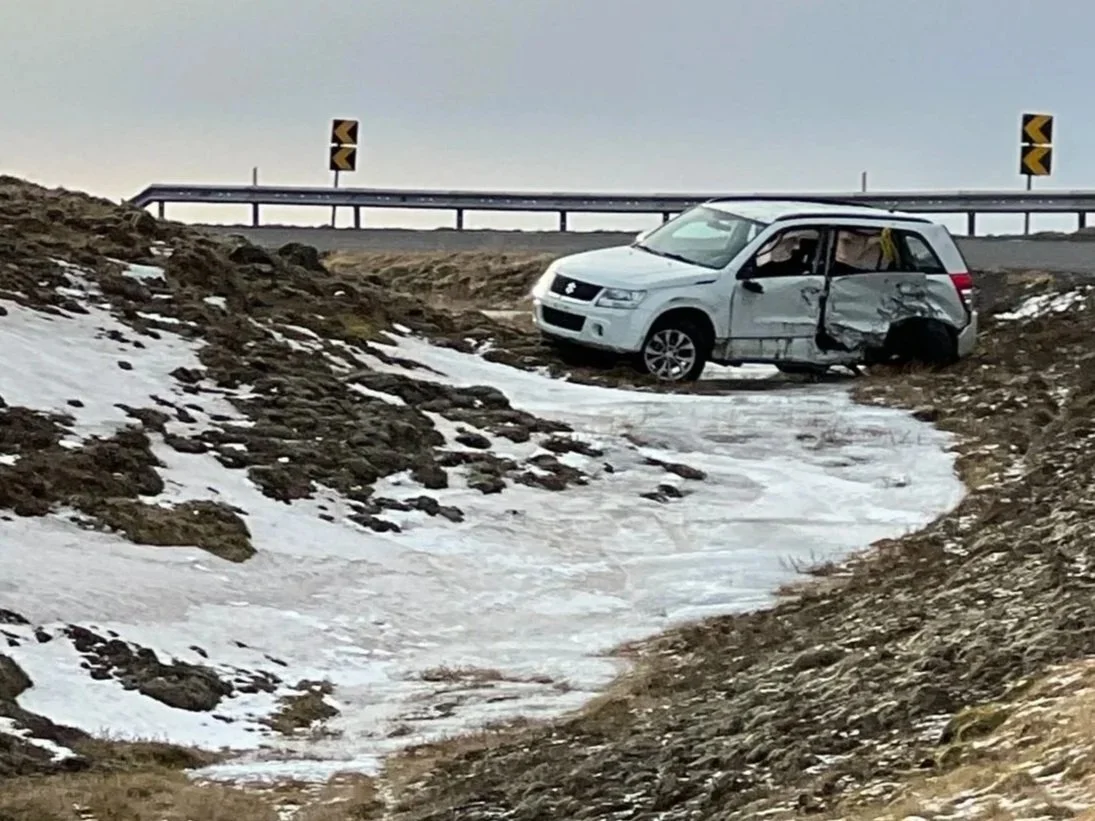
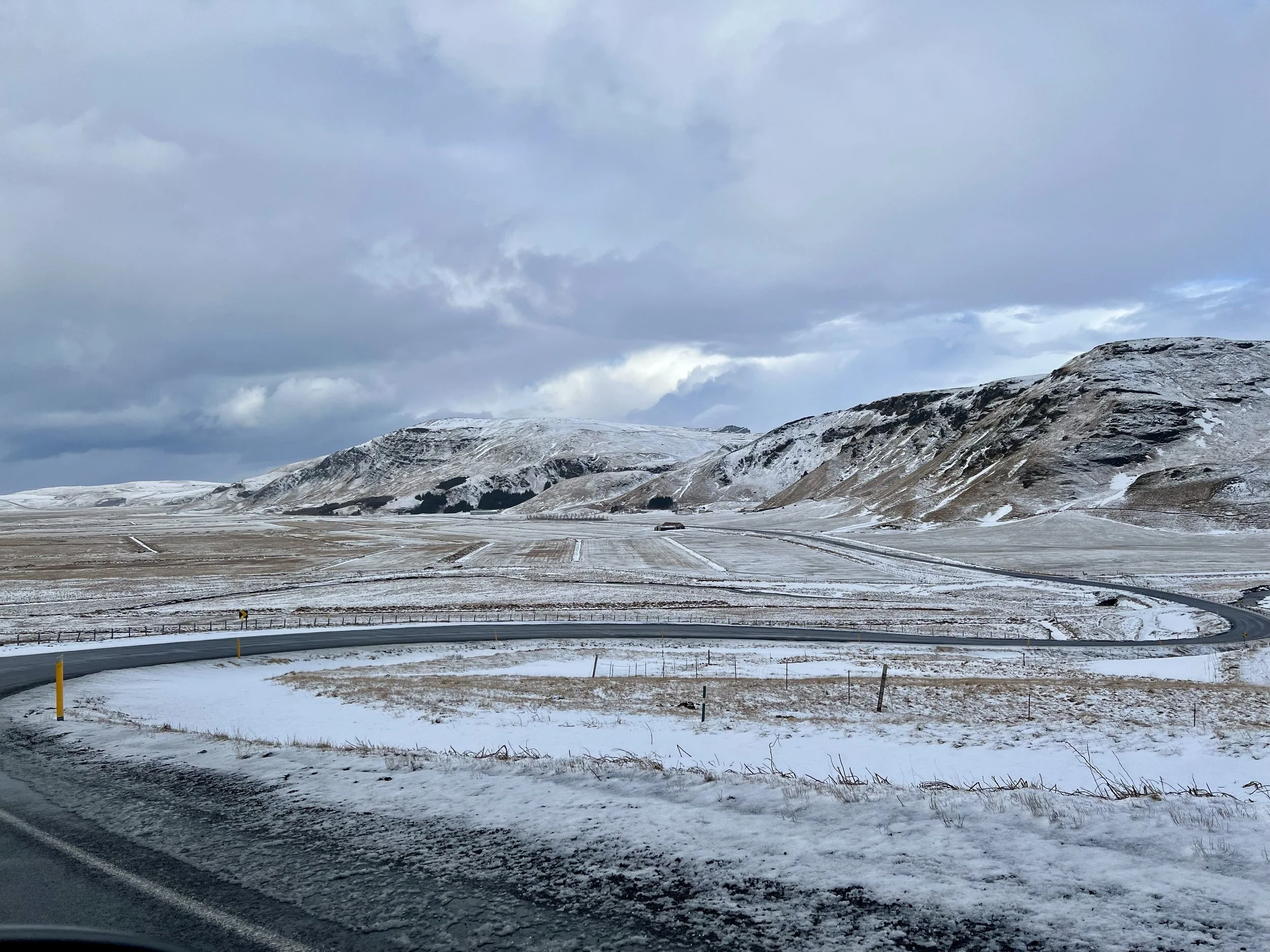
Along the drive we saw something that became quite common — cars sitting off on the side of the road.
Tourists often underestimate Iceland’s driving conditions. Snow, ice, wind and sudden weather changes catch people out, and when a car goes off the road it usually just stays there until a recovery team can get to it in summer.
The locals are used to it. Tourism is Iceland’s second-largest industry — aluminium production is first and fishing is third — so while visitors cause many of the accidents, they’re also a huge part of the country’s economy.
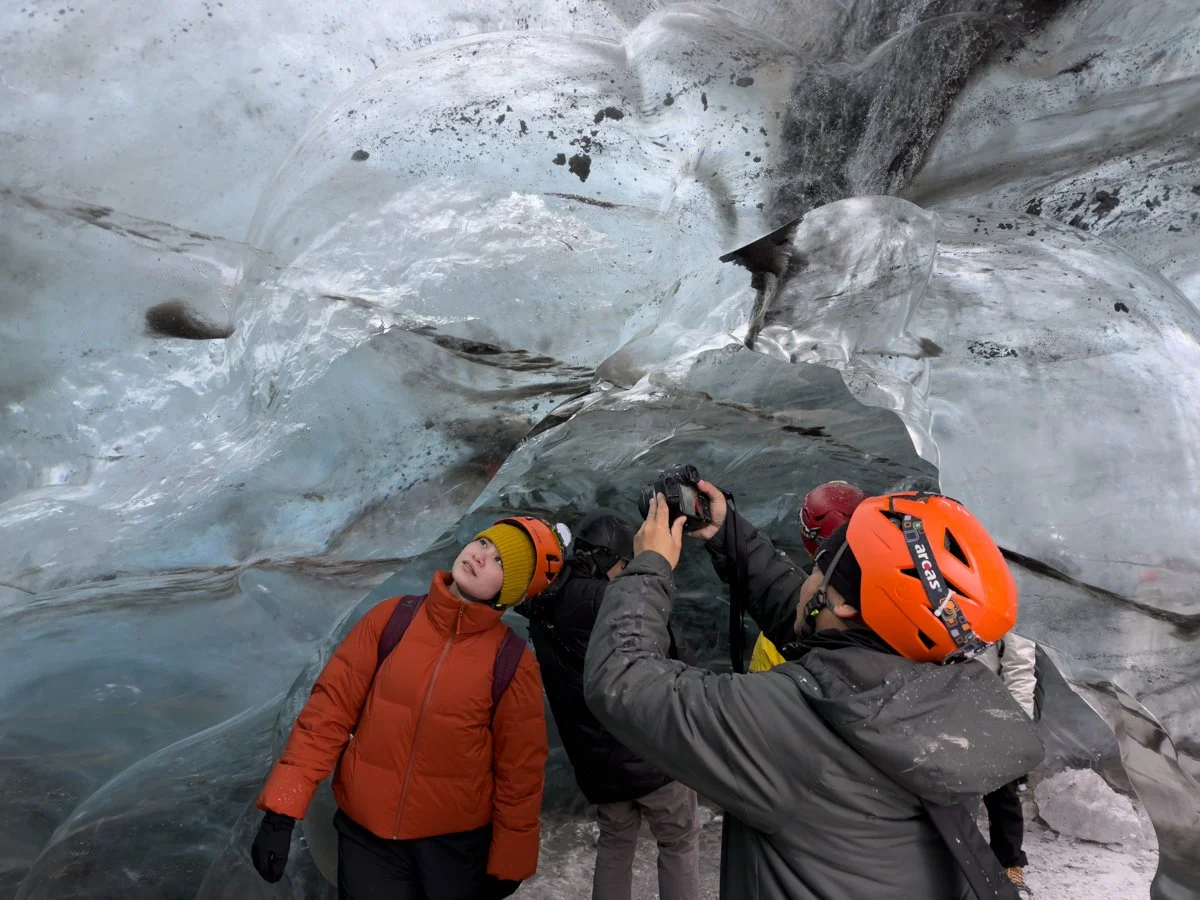
The afternoon was not complete without a trip to the ice cave.
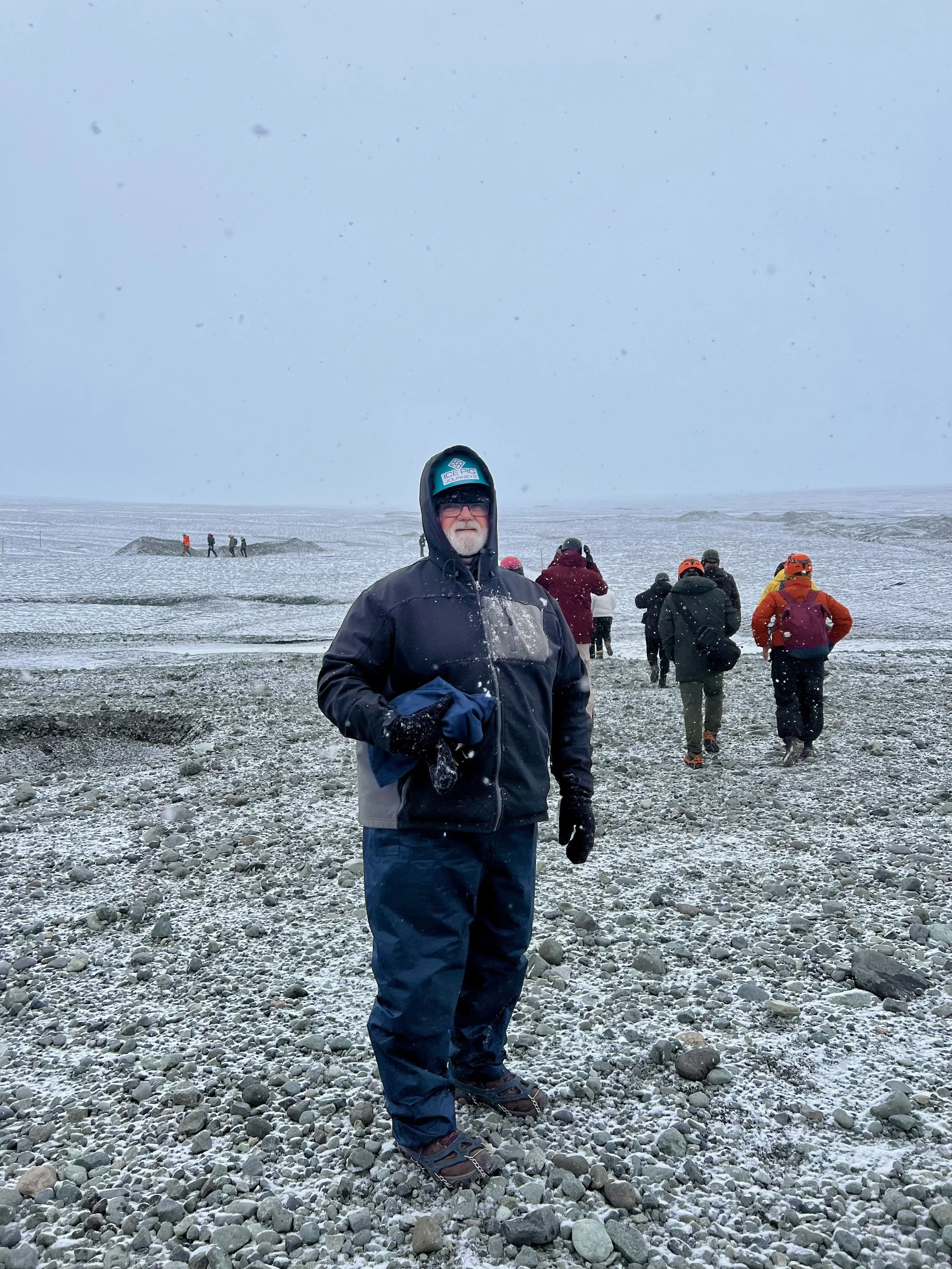
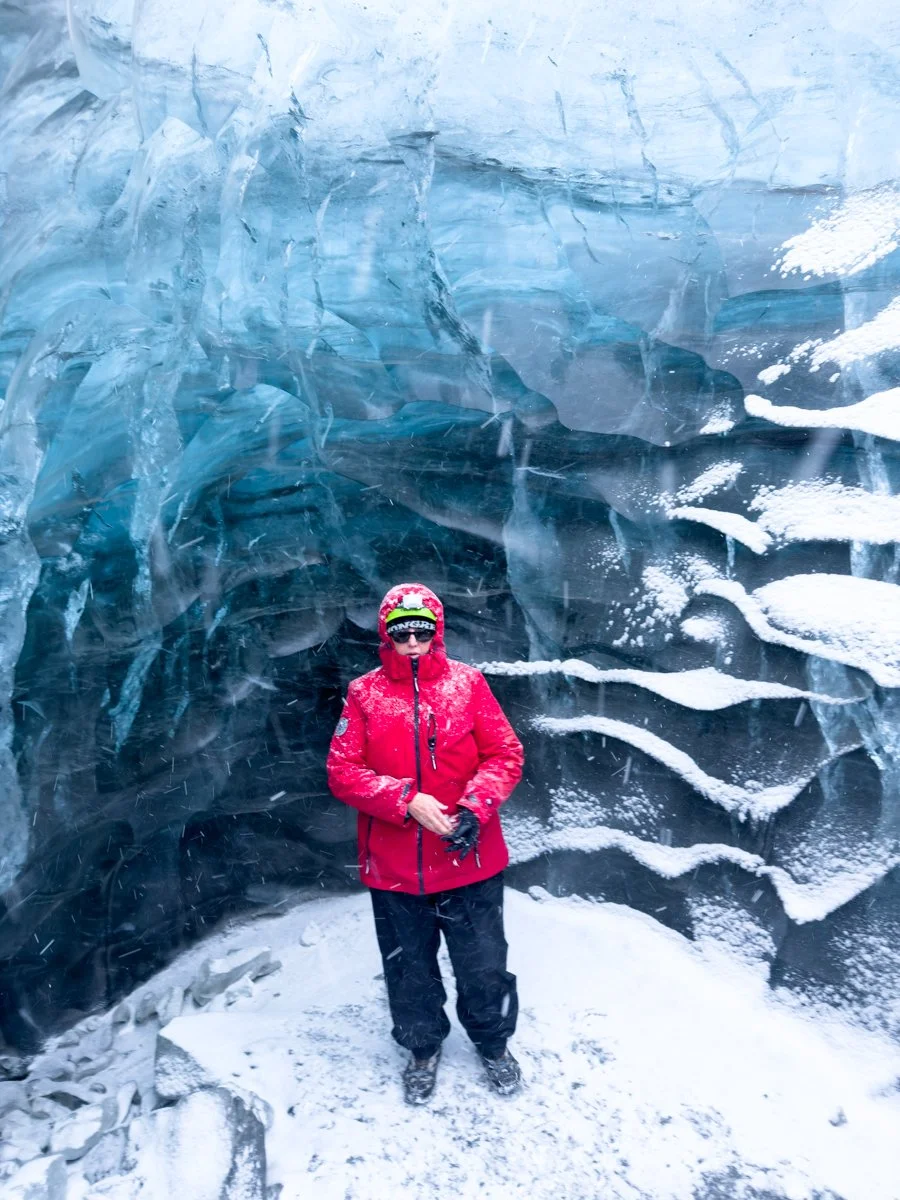
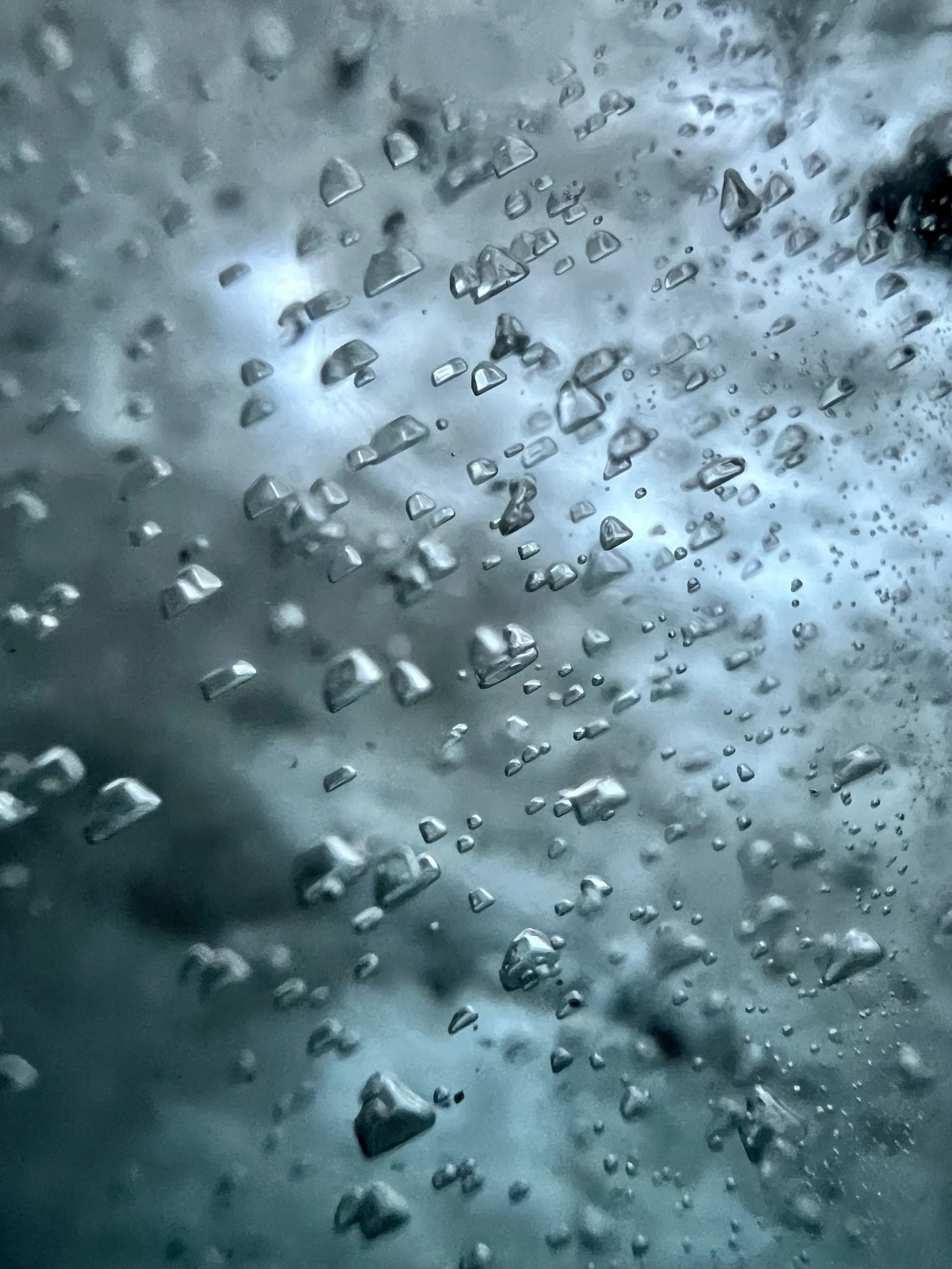
An iceberg up close.
Back to Keflavík
Eventually it was time to make the long drive back to Keflavík.
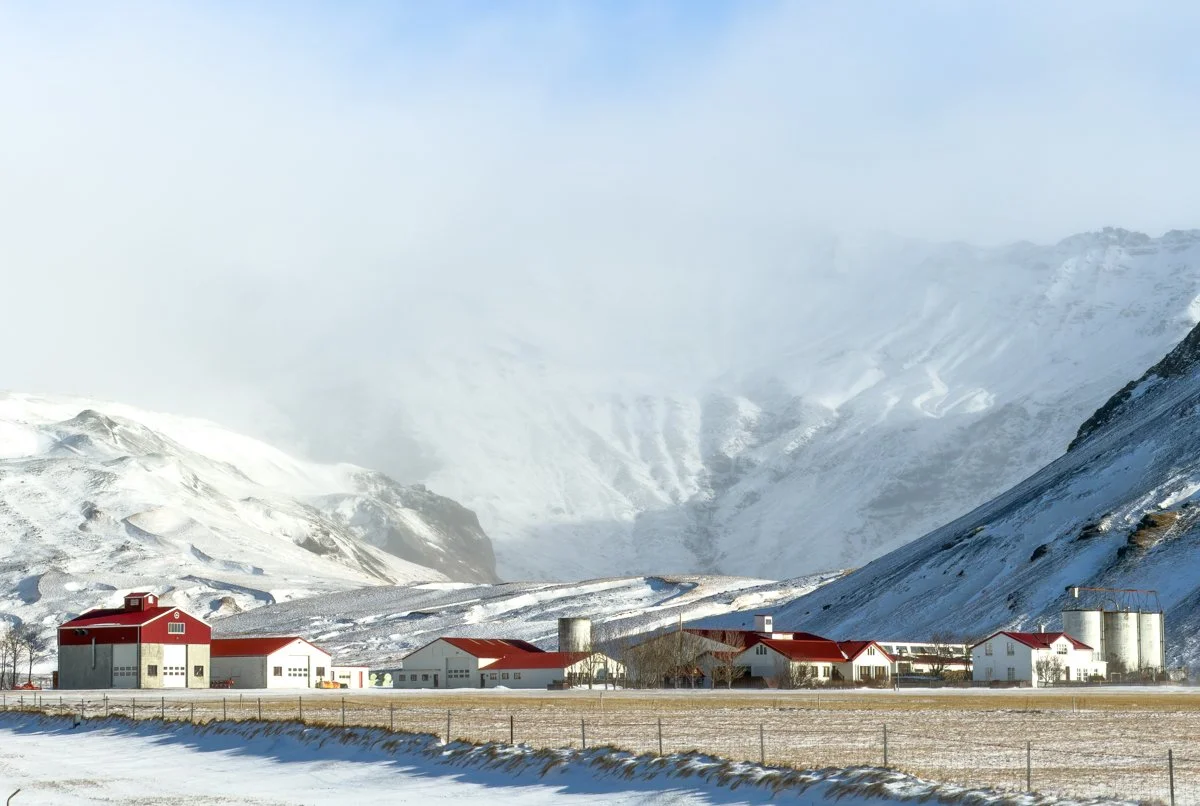
The plan for the evening was fairly simple: do some laundry, repack our bags, and get organised for the next leg of the adventure.
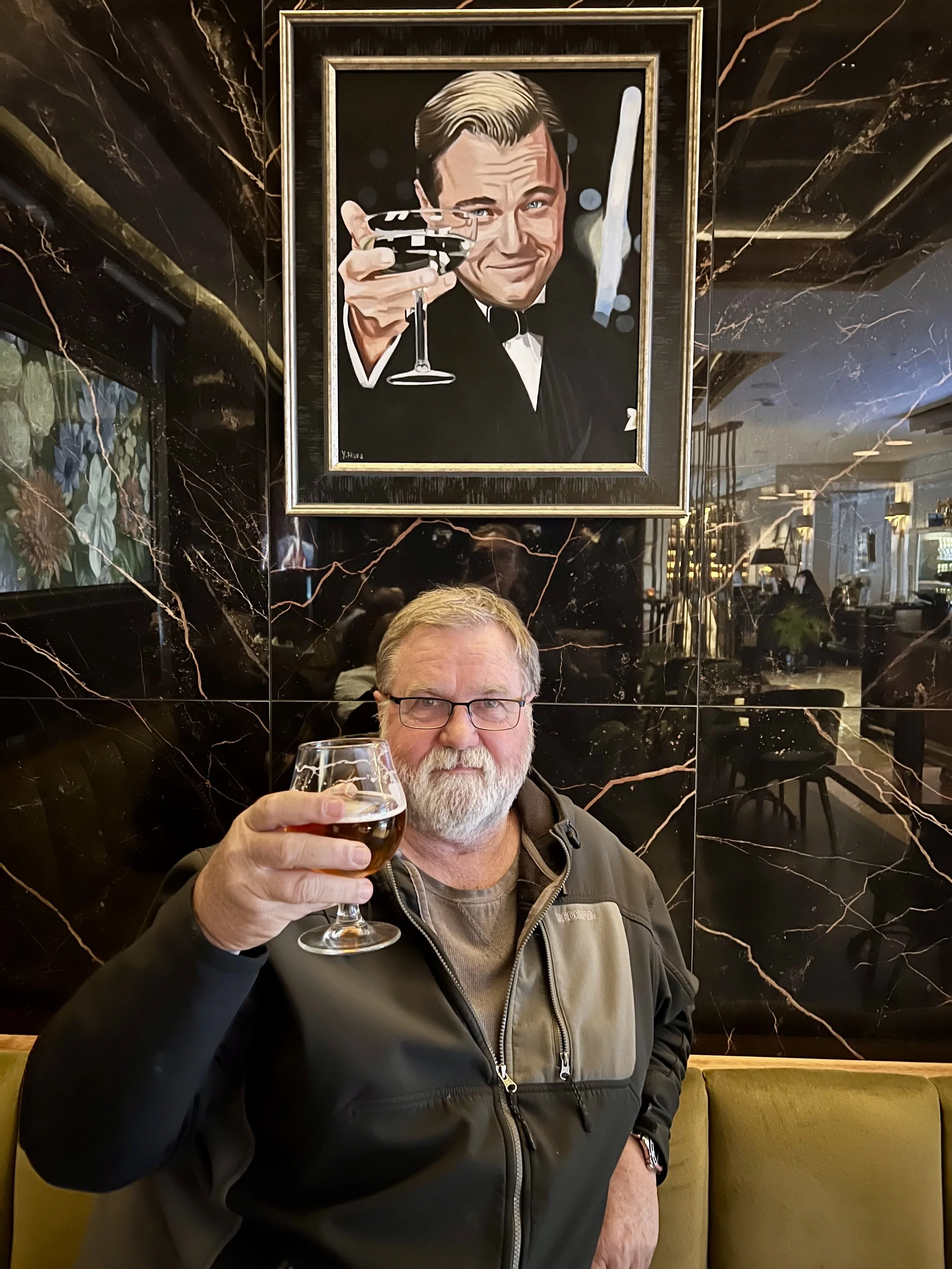
And if Iceland taught us anything, it’s that when you travel in the north, weather always has the final say. So for now here’s looking at you Iceland
Next stop… Scotland.
© Michelle Brown 2026. All photographs and content on this blog are the property of the author and are protected by copyright laws. Unauthorised use, reproduction, or distribution is prohibited without prior written permission.